New - 5 Hours Ago
.jpg)


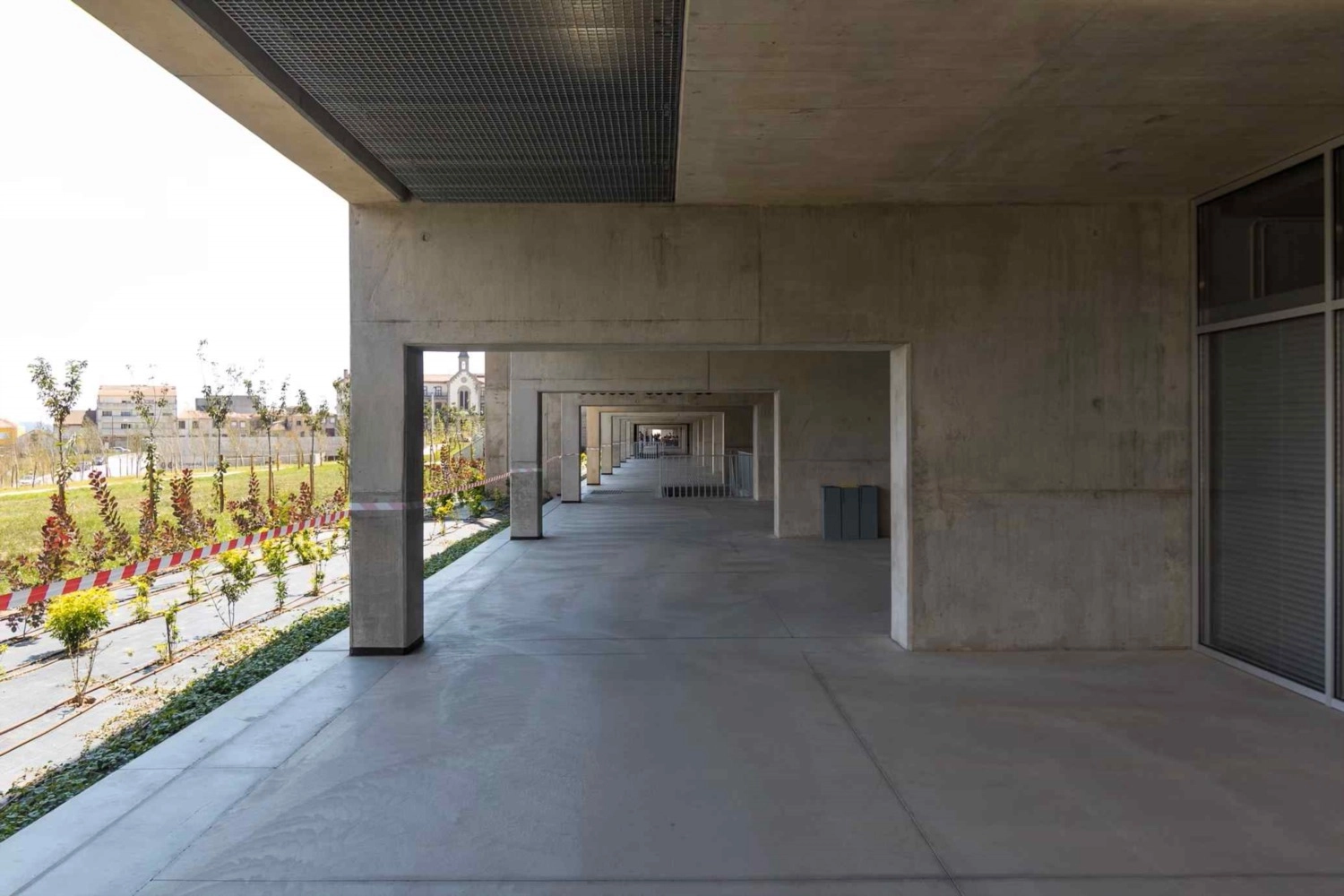
A concrete floor coating protects a Colorado garage or basement slab from the state's repeated freeze-thaw cycles, road salt and mag chloride tracked in on tires, and the surface staining that bare concrete shows within a few winters; a polyaspartic or high-build epoxy system, installed at the right slab temperature, is the more durable choice for Front Range conditions.
Expect roughly $3 to $7 per square foot installed for a standard epoxy system on a Front Range garage, and $5 to $10 per square foot for a polyaspartic or polyurea system, which cures faster and handles temperature swings better. A typical two-car garage, around 400 to 500 square feet, commonly runs $1,500 to $4,000 installed.
A quality polyaspartic or polyurea coating flexes slightly with the slab's temperature changes and holds up well through Colorado's freeze-thaw cycles. A basic single-coat epoxy without a flexible topcoat is more prone to hairline cracking and peeling over repeated winters, particularly at the garage door threshold where temperature swings are most extreme.
Uncoated concrete absorbs the mag chloride and salt residue tracked in on tires and boots through a Front Range winter, leaving a white, chalky staining that is difficult to remove. A sealed, coated floor keeps that residue on the surface where it wipes or rinses off instead of soaking into the slab.
Polyaspartic and polyurea coatings cure faster, commonly within a day, and tolerate a wider temperature range during application than standard epoxy, which matters in Colorado where a garage floor can sit well below the epoxy manufacturer's minimum cure temperature for much of the year. Polyaspartic is commonly the better fit for a Front Range garage installed outside of summer.
A clean, coated garage floor reads as a well-maintained home during a showing and is a detail buyers notice, particularly in homes marketed with a workshop or hobby garage. It rarely returns its full cost as an isolated project, but it is inexpensive relative to most other pre-listing upgrades and removes a visible maintenance flag.
A coating can bridge minor, stable hairline cracks, but it will not stop active movement from expansive, bentonite-bearing clay soil common across the Front Range. Have any crack wider than a hairline, or one that is actively growing, evaluated by a foundation professional before coating over it.
A coating slows surface moisture and vapor transmission somewhat, but it is not a substitute for addressing an active water intrusion problem. If a basement slab shows efflorescence, standing water, or a musty smell, resolve the moisture source before coating; sealing over an active leak traps moisture and can cause the coating to fail.
A quality polyaspartic or polyurea system commonly lasts 10 to 20 years in a Front Range garage with normal vehicle traffic before it needs recoating. A basic epoxy kit applied without professional surface preparation frequently shows wear within 3 to 5 years, especially where tires regularly cross the same path.
No. A floor coating is a cosmetic and protective surface treatment, not a structural or systems change, and it does not require a permit in Denver or other Front Range jurisdictions.
A coated floor is easier to sweep and mop clean of the mud and gravel that Colorado's hail season and spring runoff bring into a garage, since debris sits on top of the sealed surface rather than working into porous, uncoated concrete.
Denver's high number of sunny days and UV intensity at altitude fade an uncoated or improperly sealed outdoor coating faster than the same product would fade at a lower elevation. Choose a UV-stable topcoat rated for exterior use on any coated patio, porch, or exterior concrete surface.
Most epoxy products require the slab to be above roughly 50 degrees during application and cure, which limits standard epoxy installation to warmer months in an unheated Front Range garage. Polyaspartic systems tolerate a wider temperature range, making them more practical for a fall or winter installation.
A DIY epoxy kit can work for a homeowner comfortable with surface grinding or etching and precise mixing, but proper surface preparation is the single biggest factor in how long a coating lasts, and it is the step most DIY jobs skip or rush. A professional installer grinds and profiles the concrete correctly, which is why contractor-applied coatings commonly outlast DIY kits by several years.
Yes. A coated floor is one of the lowest-cost ways to make an otherwise unfinished garage or basement space photograph and show as intentional rather than utilitarian, which matters for buyers evaluating the space as a workshop, gym, or hobby area.
A gray or neutral base with a color flake broadcast blend hides everyday dirt, tire marks, and the mag chloride residue tracked in during winter better than a solid, dark color, which shows dust and light scratches more visibly. A satin or low-sheen topcoat also shows less wear over time than a high-gloss finish in a garage that sees regular vehicle traffic.
Yes, for any garage or entry area that sees snow and slush tracked in from a Front Range winter. Ask the installer for a slip-resistant additive broadcast into the topcoat, since a smooth, glossy coating becomes noticeably slicker than bare concrete once it is wet.
Plan on keeping vehicles and stored items out of the garage for two to three days for a polyaspartic system, and up to a week for a standard epoxy system that needs a longer cure before it can handle vehicle traffic. Schedule the project around any move, sale, or listing date with that window in mind.
If you are deciding whether a coated garage or basement floor is worth doing before you list, we can show you how similar finished spaces have shown up in recent Front Range listings. Call or text 303-955-4220. A live person answers. Not a robot, not a phone tree. Ready to see homes with a finished garage or basement? Search every home for sale in Colorado.
Questions about any home in Colorado? Call or text 303-955-4220. A live person answers.
Roughly $3 to $7 per square foot for epoxy and $5 to $10 per square foot for polyaspartic. A typical two-car garage runs $1,500 to $4,000 installed.
Yes. Road salt and mag chloride tracked in on tires and boots soak into porous, uncoated concrete and leave a white, chalky stain that is hard to remove.
Polyaspartic commonly, since it cures faster and tolerates a wider temperature range during application, which matters in an unheated garage for much of the year.
A coating can bridge a minor, stable hairline crack, but it will not stop active movement from expansive clay soil. Have any growing crack evaluated first.
A quality polyaspartic or polyurea system commonly lasts 10 to 20 years with normal vehicle traffic. Basic DIY epoxy frequently shows wear within 3 to 5 years.
No. A floor coating is a cosmetic and protective treatment, not a structural or systems change, so it does not require a permit.
No, not until the moisture source is resolved. Sealing over an active leak traps moisture underneath and can cause the coating to fail.
It reads as a well-maintained home and removes a visible maintenance flag, though it rarely returns its full cost as an isolated project.