.jpg)


New - 11 Hours Ago
Newcomers moving to Denver in 2026 are landing mostly in four places: Central Park for wide streets and new construction, Lowry for a master-planned layout close in, Berkeley and Sunnyside for historic bungalows near Tennyson Street, and Capitol Hill or Uptown for a walkable urban core. Which one fits depends on commute, budget and how much yard you want to maintain.
Why Newcomers Are Landing in Denver Right Now
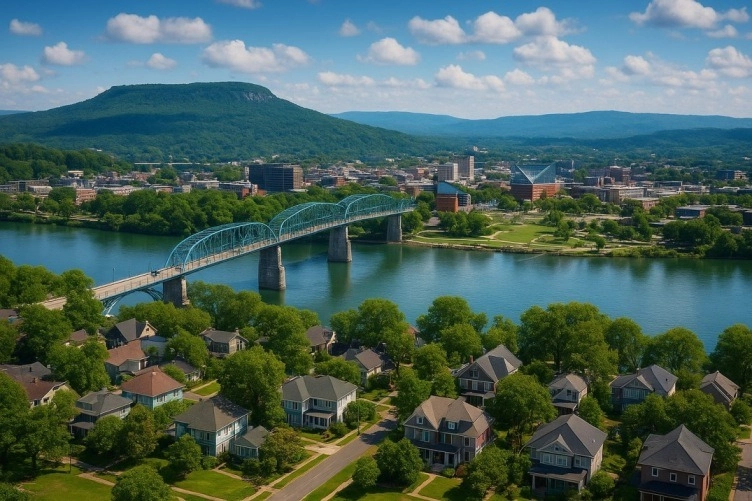
Denver's newcomer wave looks a lot like what other fast-growing mid-size metros are seeing across the country. Local moving companies everywhere are booking more out-of-state relocations than they were a few years back, the same pattern showing up with Chattanooga movers in Tennessee. The draw locally is remote-work flexibility, outdoor access and a housing stock that still includes entry-level options the coasts largely lost.
Denver also keeps a genuine mix of neighborhood types inside one metro: a walkable urban grid, master-planned communities, historic bungalow blocks and car-first suburbs, all within a 30-minute drive of each other. That range is rarer than it sounds in a metro this size.
Central Park: Wide Streets and New Construction
Built on the former Stapleton airport site and now known as Central Park, this northeast Denver neighborhood runs on a grid of parks, pools and retail built into the plan from day one. It suits newcomers who want a newer home, sidewalks wide enough for a stroller, and a short drive to the airport.
The neighborhood's network of pocket parks and pools connects almost every block, so a newcomer moving from a car-dependent suburb elsewhere in the country regularly notices how much daily life shifts toward walking and biking here instead.
Lowry: A Former Air Force Base, Now a Neighborhood
Lowry converted a former Air Force base into a master-planned neighborhood with its own town center, parks and a mix of single-family homes, townhomes and condos. It sits close to Cherry Creek and downtown without the density of either.
Newer infill construction continues alongside the neighborhood's original conversion-era homes, which gives a newcomer a genuine choice between architectural styles inside the same walkable area.
Berkeley and Sunnyside: Historic Bungalows Near Tennyson Street
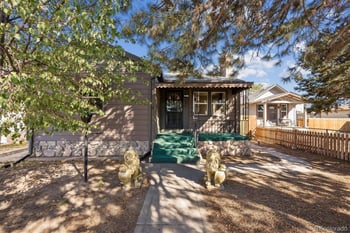
Berkeley's Tennyson Street corridor runs restaurants, breweries and shops through a walkable strip a few blocks from Berkeley Lake Park. Sunnyside next door carries a similar bungalow housing stock at a somewhat lower price point, with quick access to I-70 and downtown.
Both neighborhoods sit close enough to downtown for a short car commute while keeping a distinct, quieter residential feel once you turn off the main corridor.
Capitol Hill and Uptown: The Walkable Urban Core
Capitol Hill carries Denver's densest mix of historic apartment buildings, Victorian homes split into units, and a nightlife and dining scene within a 10-minute walk of most addresses. Uptown next door runs quieter and closer to the Denver Health medical campus, with the same walkability to downtown.
Observatory Park and Platt Park: Established, Tree-Lined Streets
Both neighborhoods carry mature trees, single-family bungalows and easy access to the University of Denver area and the South Pearl Street farmers market corridor, without the density of Capitol Hill.
These two sit closer to the light rail's D and E lines than most bungalow neighborhoods, which gives a newcomer a downtown or Tech Center commute option without giving up a yard entirely.
Commute to the Denver Tech Center
Newcomers headed to Tech Center jobs along I-25 south of downtown commonly land in Observatory Park, Platt Park, or one of the south metro suburbs like Centennial or Greenwood Village, all of which shorten the drive compared with a northside neighborhood like Berkeley or Sunnyside.
A Tech Center commute from downtown or Capitol Hill runs against rush-hour traffic on I-25, while the same drive from a south-metro suburb runs with traffic instead of against it, which can make a longer-looking commute on a map the faster option in practice.
Front Range Suburbs Worth a Look
Newcomers who want more space and a car-first layout instead of a city grid tend to land in Highlands Ranch, Centennial or Lone Tree, all south of downtown along the I-25 corridor, or Arvada and Westminster to the north and west.
Each of these carries its own mix of HOA structure, trail access and commute pattern, and a newcomer comparing them side by side regularly finds the difference in daily life bigger than the difference in home price. Pull the current listing inventory for each before ruling one out on reputation alone.
How Denver Compares to Other Growing Newcomer Markets
Denver's population growth has slowed from its fastest years, but demand for entry-level and mid-range homes in the neighborhoods above still outpaces the available inventory most months. That gap between newcomer demand and listing supply is the single biggest reason a serious buyer needs a plan for a specific neighborhood, not a general sense of the metro.
Set a saved search with real-time alerts for the two or three neighborhoods that fit best, rather than checking a portal once a week. In a competitive price range, a listing worth seeing can go under contract within days of hitting the market.
What to Check Before You Pick a Denver Neighborhood
- Commute route: light rail access on the A, D, E, G or W lines versus a car-only commute.
- HOA or metro district fees: newer neighborhoods like Central Park carry higher HOA dues than older ones like Berkeley or Sunnyside.
- Lot size and home age: historic bungalow neighborhoods trade yard space for character and walkability.
- Parking: street parking is tighter in Capitol Hill and Uptown than in the suburbs.
Walk each finalist neighborhood on a weekday evening and again on a weekend morning before writing an offer. The feel of a block changes more between those two visits than most newcomers expect, especially around a busy commercial corridor.
Renting First, Then Buying
A number of newcomers rent for a first year in one of these neighborhoods before buying, which gives a real feel for the commute and the block before committing to a purchase. If that is the plan, ask about lease terms that align with a future closing date rather than locking into a full year that runs past when you want to buy.
Denver Neighborhoods at a Glance
| Neighborhood | Best for | Housing stock |
|---|---|---|
| Central Park | New construction, stroller-friendly streets | Newer single-family and townhomes |
| Lowry | Close-in, master-planned layout | Mixed single-family, townhome, condo |
| Berkeley / Sunnyside | Walkable retail, historic character | Bungalows and older single-family |
| Capitol Hill / Uptown | Urban walkability, no yard to maintain | Apartments, converted Victorians, condos |
What Newcomers Ask a Broker First
The most common opening question is simply which neighborhood fits a given budget and commute, followed closely by how fast homes in that neighborhood are moving right now. Both answers change month to month, so pull current numbers rather than relying on a general reputation from a year ago.
Where to go next
- Berkeley Area Guide
- Lowry Area Guide
- Capitol Hill Area Guide
- Central Park Area Guide
- Explore Highlands Ranch
- Search every home for sale in Colorado
Talk to the Kenna Real Estate Group
The Kenna Real Estate Group walks newcomers through commute times, HOA budgets and current listing activity for every Denver neighborhood and Front Range suburb before they pick one. Call or text 303-955-4220. A live person answers. Not a robot, not a phone tree. Search every home for sale in Colorado at kennarealestate.com/homes.
More reading: Moving to Denver: a newcomer's guide and The Neighborhoods in Centennial People Rarely Leave.
Homes for sale that match this post
- New construction: guide
- Townhomes: guide
- Condos: guide
- Homes near Light Rail in Denver
- All homes for sale in Denver
Guides
Questions about any home in Colorado? Call or text 303-955-4220. A live person answers.