.jpg)


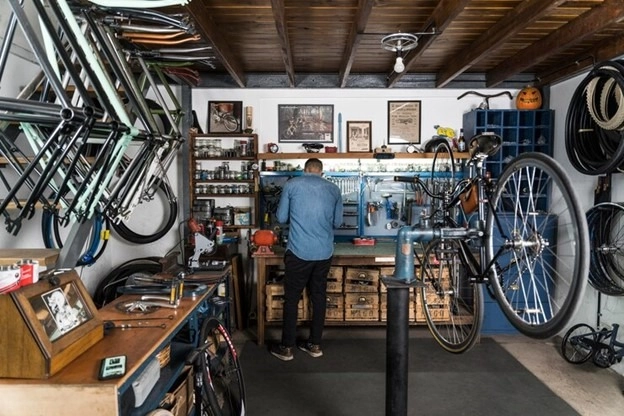
An unsealed garage floor in Colorado takes more abuse than almost anywhere else in the country: magnesium chloride de-icer tracked in from the driveway, dozens of freeze-thaw cycles a season, and snowmelt that sits on bare concrete for hours after every storm. Epoxy or polyurea coating solves all three problems at once, and it's one of the more affordable garage upgrades on the Front Range.
What Epoxy Garage Flooring Costs in the Denver Metro
A professionally installed epoxy coating for a standard two-car garage (about 400 to 500 square feet) runs $1,800 to $3,500 in the Denver metro, or roughly $4 to $9 per square foot depending on the number of coats, color flake and topcoat. A basic single-color epoxy without decorative flake sits at the low end; a multi-coat system with a polyaspartic or polyurea topcoat runs higher but cures faster and resists mag chloride staining better.
Why Mag Chloride Damages Bare Concrete Here
Colorado's Front Range cities and CDOT use magnesium chloride as a de-icer on roads and driveways through winter, and vehicle tires track it straight onto an uncoated garage slab. Mag chloride penetrates porous concrete, draws moisture into the surface, and causes the top layer to flake and pit — a process called spalling. A sealed epoxy or polyurea surface blocks that penetration entirely, which is the single biggest reason Colorado garages benefit from coating more than garages in states without winter road salt.
Freeze-Thaw and Uncoated Concrete Cracking
Bare concrete absorbs moisture from melting snow and road spray, and that moisture freezes and expands inside the pores of the slab through dozens of freeze-thaw cycles each Colorado winter. Over several seasons this cracks and pits an unsealed floor even without mag chloride in the mix. A coating seals the surface so water can't get in to freeze in the first place.
Epoxy vs. Polyurea/Polyaspartic Coatings
| Factor | Epoxy | Polyurea/Polyaspartic |
|---|---|---|
| Cure time | 3–7 days before vehicle use | 24–48 hours before vehicle use |
| Cold-weather install | Needs temps above roughly 50°F | Can install in colder conditions |
| UV resistance | Can yellow near an open, sun-facing bay | Holds color better in direct sun |
| Cost | Lower | Higher |
Prep Work: Cracks, Chips and Moisture Testing
A garage floor with existing cracks or spalling from mag chloride damage needs those repaired and the surface ground or shot-blasted before any coating goes down — skipping prep is the top reason a DIY epoxy job peels within a year. On older Front Range homes, a moisture vapor test is worth the cost before coating, since a slab without a vapor barrier underneath can trap moisture that pushes the coating off from below.
UV Exposure Near an Open Garage Door
At 5,280 feet, UV intensity runs roughly 25% higher than at sea level, and a garage floor near a south- or west-facing open door takes direct sun for hours on summer days. Standard epoxy can yellow or chalk in that strip over several seasons; a UV-stable polyaspartic topcoat holds its color better in that exposure zone. If the garage door faces south or west, this is worth the upgrade in coating type.
Does Epoxy Flooring Add Resale Value?
A finished, coated garage floor is a small but real plus during showings on the Front Range — buyers notice a clean, sealed floor versus a stained, pitted one, and it signals the rest of the home has been maintained. It's not a line item that returns a specific dollar figure the way a kitchen remodel does, but it removes a visible flaw that can otherwise make buyers wonder what else was skipped.
Temperature Window for Installation
Standard epoxy needs the garage at roughly 50°F or warmer, with low humidity, for the coating to cure correctly, which limits installation to the warmer months in most unheated Front Range garages. Polyurea and polyaspartic systems tolerate colder application temperatures, which is why many Colorado installers default to those products for winter jobs.
For an example of epoxy flooring in Adelaide, see how a professional crew approaches surface prep and multi-coat application on residential garages; Colorado's freeze-thaw and mag chloride exposure make prep even more important here, so hire a licensed local installer who tests moisture and grinds the slab before coating — you are free to use any provider.
DIY Epoxy Kits vs. Professional Installation
Big-box DIY epoxy kits cost $150 to $400 for a two-car garage but skip the surface grinding and moisture testing a professional installer includes, which is why DIY jobs commonly peel or bubble within a year on Front Range concrete that's been exposed to mag chloride for even a few winters. If the existing slab shows any staining, pitting or hairline cracks, that's a sign the surface needs professional-grade prep rather than a roll-on DIY kit.
How Garage Floor Condition Shows Up in a Home Inspection
A home inspector notes visible cracking, spalling or moisture staining on a garage floor as part of a standard inspection, and while it's rarely a deal-breaking item on its own, it can become a line item in the inspection objection deadline negotiation if it looks like ongoing water intrusion rather than surface wear. Sellers who coat or at least clean and seal a garage floor before listing remove one more item a buyer's agent would otherwise flag.
Maintaining an Epoxy or Polyurea Floor Once It's Installed
Sweep or rinse mag chloride residue off a coated floor through the winter the same way you would an uncoated one — the coating blocks penetration into the concrete, but built-up residue left sitting on the surface can still dull the finish over time. Avoid parking on a brand-new coating until it's fully cured per the installer's timeline, and avoid dragging metal tools or sharp-edged equipment across the surface, which can chip a coating even though it won't happen to bare concrete the same way.
Color and Flake Options for Front Range Garages
Gray and charcoal flake blends are the most common choice on the Front Range because they hide dust, dirt and mag chloride residue between cleanings better than a solid light color. A solid color shows tire marks and dust more visibly and needs more frequent sweeping to keep the finish looking clean between deep cleanings.
Does Epoxy Flooring Make a Garage Warmer or Colder?
Epoxy and polyurea coatings themselves don't add meaningful insulation value, but sealing the slab does stop moisture from wicking up through the concrete, which is what actually makes an unheated Colorado garage feel damp and cold through winter. Pair a coated floor with insulated garage door panels for the biggest comfort difference if the garage is used as a workshop or gym space.
Where to go next
- Preparing and adding value before selling
- How to repair garage door rust in Colorado
- Choosing a new garage door in Denver
- Flooring choices that boost home value in Denver
- Search homes for sale in Arvada
- Colorado market reports
Talk to the Kenna Real Estate Group
Ask us which garage and exterior fixes actually move the needle before you list a Colorado home, and which ones you can skip entirely. Call or text 303-955-4220. A live person answers. Not a robot, not a phone tree. Or search every home for sale in Colorado to compare finished garages against unfinished ones in your price range.
Homes for sale that match this post
Guides
Questions about any home in Colorado? Call or text 303-955-4220. A live person answers.