.jpg)


An apartment or condo renovation in the Denver metro needs somewhere to put furniture, boxes, and valuables for a stretch of weeks to months, in nearly every case. The right storage type depends on what is being stored and how long the project runs: climate-controlled units protect wood and electronics from Colorado's dry winter air, while indoor and outdoor units cost less for items that can handle temperature swings. See the full guide to preparing and adding value before selling for how a renovation timeline fits into a broader listing plan.
Climate-Controlled Storage
Colorado's indoor humidity drops to 10% to 25% along the Front Range in winter, and outdoor temperatures swing widely between fall and spring. Climate-controlled units hold a stable temperature, in the 50-to-90-degree range, and controlled humidity, which protects anything that can warp, crack, or delaminate: wood furniture, musical instruments, electronics, photographs, and leather.
For a renovation that runs a few weeks, climate control is not worth the added monthly cost in most cases. For a project spanning several months, especially one that starts before winter, it is worth the added cost, since a season of dry indoor storage can do real damage to solid-wood furniture.
Outdoor Storage Units
Outdoor, drive-up units are the least expensive option and work well for bulky, weather-tolerant items: patio furniture, tools, sports equipment, and boxed items that are not temperature sensitive. They are less secure than indoor units and are not climate-controlled, so wood furniture, electronics, and anything with adhesive or fabric components fare better elsewhere.
Indoor Storage Units
Indoor units sit inside a secured building with restricted access, which makes them a better fit for valuables, jewelry, documents, and anything a homeowner does not want exposed to outdoor conditions. They are not climate-controlled unless specifically marketed that way, so temperature-sensitive items still need the climate-controlled tier.
Storage Lockers
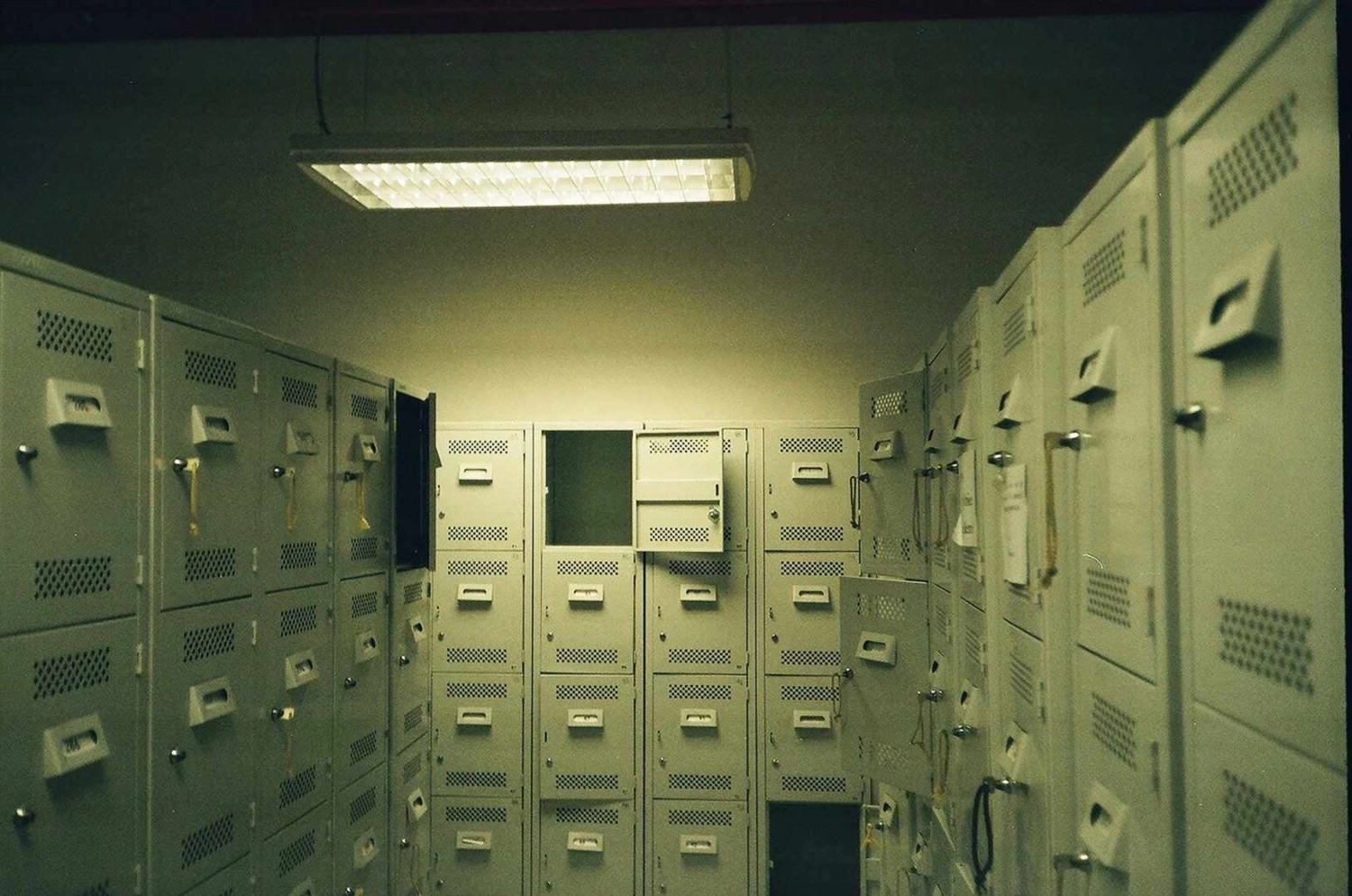
For a smaller renovation, a compact storage locker covers a handful of boxes or valuables without paying for a full-size unit. Lockers are stacked inside a facility in most buildings, so items stored high up need a step stool to reach, which makes them a better fit for things that will not need retrieving mid-project.
Wine Storage
A wine collection needs stable temperature and humidity that most home storage during a renovation cannot provide. A dedicated wine storage guide covers what conditions actually protect a collection if bottles will be stacked up in a rented unit for more than a few weeks.
Storage Costs in the Denver Metro
A standard 5x10 unit runs roughly $60 to $120 a month across the Front Range; a 10x10 runs $100 to $200; climate-controlled units add 25% to 50% on top of standard pricing. A portable storage container delivered to the driveway runs higher per month but saves the trips back and forth during the renovation.
HOA Rules and Permits for On-Site Storage
Many Denver metro HOAs, including condo and townhome associations, restrict how long a portable storage container (a POD-style unit) can sit in a driveway or common area, and some require advance notice or a placement permit. Check the HOA's rules before scheduling delivery, since violations can mean fines that add to the renovation budget. Cities including Denver and Aurora also require a right-of-way permit if a container needs to sit on the street rather than a private driveway.
What About Renting Storage vs. Working Room by Room?
For a smaller renovation, some homeowners skip a rented unit entirely and move items room by room as work progresses, using a rented storage unit only for what does not fit anywhere else in the home. Renting storage makes the most sense when a renovation touches most of the apartment at once, since there is no other room left to shuffle items into.
Insurance and Liability While Items Are in Storage
A homeowner's or renter's insurance policy sometimes extends limited coverage to items in an off-site storage unit, but the coverage amount and the covered perils vary by policy, so it is worth a call to the insurance agent before assuming everything is protected. Many storage facilities also sell their own supplemental coverage. For high-value items like jewelry, art, or a wine collection, a dedicated rider or the facility's higher-tier coverage closes the gap a standard policy leaves.
Renovation Dust and What Goes in Storage vs. the Dumpster
A renovation generates dust, debris, and demolition waste that has no business anywhere near stored belongings. Before boxing anything, sort items into three piles: what travels to storage, what gets donated or sold, and what goes straight to a dumpster or debris hauler. Anything staying in the apartment during demo work, furniture that cannot be moved, flooring, fixed cabinetry, needs plastic sheeting and taped seams to keep drywall dust out of fabric and upholstery, since dust settles into fibers in a way that is difficult to fully remove afterward.
Climate-Controlled vs. Standard Storage at a Glance
| Feature | Climate-controlled | Standard (indoor or outdoor) |
|---|---|---|
| Temperature range | Held steady, roughly 50-90 degrees | Follows outdoor swings |
| Best for | Wood furniture, electronics, wine, instruments | Tools, patio furniture, boxed non-fragile goods |
| Monthly cost premium | 25% to 50% above standard | Baseline rate |
| Recommended minimum stay | Any length, especially winter months | Under a month, mild season |
Choosing a Storage Facility Before You Book
Not every storage facility along the Front Range offers the same protections. Before booking, confirm: climate-control range and whether it is monitored around the clock, insurance options for the stored value of your items, drive-up versus interior loading access, gate-access hours that match your renovation schedule, and pest-control practices. A facility with 24-hour access matters more for a renovation where the contractor needs to retrieve materials outside standard business hours than for straightforward long-term storage.
Packing Materials That Protect Against Colorado Conditions
Sturdy, uniform boxes stack more without damage than a mismatched pile in a unit that will not be touched for weeks. Bubble wrap and packing paper protect fragile items inside boxes, while moving blankets protect furniture surfaces from scuffs during transport into the unit. Avoid plastic trash bags for anything staying in a non-climate-controlled unit for more than a few weeks, since trapped moisture inside sealed plastic can encourage mildew even in Colorado's dry climate, particularly on fabric-covered items.
Coordinating Storage With Your Renovation Contractor
Share the storage timeline with the contractor before work starts, so demolition, plumbing, and electrical phases line up with when items actually need to move out and back in. A contractor who knows a wine collection or a set of antique furniture is on-site elsewhere can plan dusty work first and finish work last, cutting down on how much needs to leave the apartment at all. This coordination step is easy to skip in the rush to start a project, but it is one of the more reliable ways to keep the storage bill from running longer than the renovation itself.
Where to go next
- Which renovations add the most value before selling
- Temporary storage tips for remodels
- Home storage strategies for every room
- Turning a messy attic into functional storage
- Denver HOA rules and fees guide
- Search every home for sale in Colorado
Talk to the Kenna Real Estate Group
Planning a renovation before listing, or buying a condo that needs work? The Kenna Real Estate Group can talk through which upgrades are worth the disruption and which storage approach fits the timeline. Call or text 303-955-4220. A live person answers. Not a robot, not a phone tree. Or search every home for sale in Colorado.
Homes for sale that match this post
Guides
Questions about any home in Colorado? Call or text 303-955-4220. A live person answers.