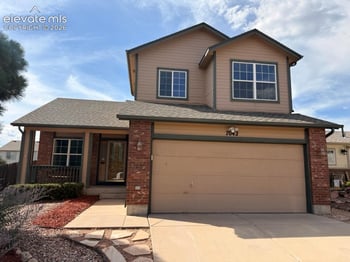
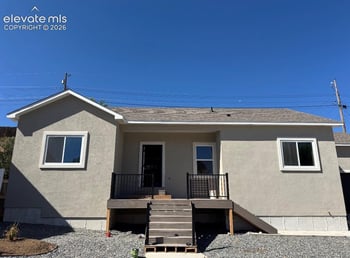
Open: Sun 11:00 AM - 2:00 PM
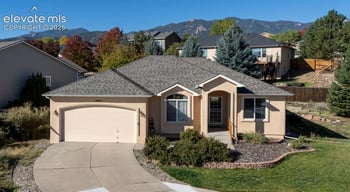
$589,900
Active
4
Beds
3
Baths
3412
Sqft
0.2113
Acres
1442 W Costilla St, Colorado Springs, CO 80905
MLS#: 2483847
.jpg)



Vacant offices, malls, and underperforming retail buildings across the Front Range are increasingly being converted into self-storage and managed storage facilities. A typical conversion runs $35 to $90 per square foot depending on how much of the structure, HVAC, and security infrastructure can be reused, and it is one of the more consistently profitable adaptive-reuse plays available to Colorado commercial investors right now.
Remote work, e-commerce, and shifting retail habits have left a real amount of underused office and retail square footage across metro Denver, Aurora, and Colorado Springs. These buildings already bring physical advantages to a storage conversion:
Storage profitability comes down to revenue per square foot, not finish quality. The interior layout has to account for:
Colorado's winter swings, hard freezes overnight followed by 60-degree afternoons, and its dry air make climate-controlled units a strong differentiator, not just an upsell. Records, electronics, artwork, wine, and furniture all need stable temperature and humidity, and a former office or lab building with existing ventilation and insulation converts to climate control more cheaply than a bare warehouse shell.
Denver, Aurora, Lakewood, and Colorado Springs each review a change of use from office or retail to storage as part of the building permit process, and some sites need a zoning variance if self-storage is not a listed use in that zone district. Electrical upgrades for access control and lighting, and any plumbing changes, each require their own permit. Confirm zoning with the city's planning department before signing a purchase contract, since a site that looks ideal physically can still require a variance that adds months to the timeline.
Storage tenants are trusting the facility with belongings for months or years, so buyers expect real security investment before they sign a lease:
A former retail complex with a dozen exterior entrances costs more to secure than a purpose-built office or warehouse with two or three controlled access points, so entrance count is worth weighing early in a feasibility study, alongside a facility like a comparable storage unit conversion for reference on layout and security scope.
Most new storage facilities run semi-autonomously: online unit selection and billing, app-based access, and remote monitoring reduce staffing costs. When retrofitting an older building, plan power and data cable routing alongside the partition work, since running conduit after walls go up costs significantly more than planning for it up front.
Not every investor should buy and convert. Purchasing and repositioning a vacant commercial building is a heavier lift, longer timeline, and larger capital commitment than leasing existing storage space or partnering with an operator. Review the full Colorado real estate investing guide for the buy-versus-lease decision framework before committing capital to a conversion project.
Repurposing an existing structure instead of demolishing it cuts construction waste and keeps embedded carbon out of a landfill. Storage facilities also generate less traffic and noise than retail or restaurant uses, which makes them an easier approval in neighborhoods pushing back on higher-traffic redevelopment.
Self-storage supply varies block by block, not just city by city. A corridor already dense with facilities near Aurora or Centennial can support one more well-located, well-amenitized conversion, or it can already be oversupplied. A feasibility study that maps existing competitors within a three- to five-mile radius, their occupancy, and their unit-size mix is worth the cost before committing to a purchase, since the same building can pencil very differently depending on what else sits nearby.
Colorado's wildfire and dust seasons add particulate load to any HVAC system running continuously, which a storage facility's ventilation does for climate-controlled units. Higher-grade filtration and more frequent filter changes protect both the equipment and the stored goods, and that maintenance cost belongs in the operating budget from the start rather than getting discovered after the first smoke event.
Returns on a storage conversion depend heavily on acquisition price, conversion cost, and local rental rates, and no single number applies across the Front Range. What consistently holds across well-run Colorado facilities is that climate-controlled units command a meaningful rent premium over standard units, and facilities with strong digital access control and low vacancy outperform older, manually managed competitors on both occupancy and achievable rent. Run the numbers against comparable local storage rental rates, not national averages, before finalizing a purchase offer.
A straightforward conversion, existing zoning approval, minimal structural work, runs three to six months from purchase to first tenant move-in. A project requiring a zoning variance, major HVAC retrofit, or significant partition work can run nine to eighteen months once entitlement, permitting, and construction are all accounted for. Building the timeline into the purchase contract's due diligence period, and confirming zoning status before earnest money goes hard, protects an investor from committing capital to a site that turns out to need a longer entitlement fight than expected.
Self-storage is one of several adaptive-reuse paths for underused Colorado commercial buildings; others include residential conversion, flex-industrial, and co-working or event space. Storage requires the lightest interior build-out and the smallest ongoing staffing commitment of the group in most comparisons, which is a large part of its appeal for investors who want commercial real estate exposure without running a hospitality- or retail-style operation day to day.
A feasibility study, zoning confirmation, and a realistic construction budget are worth commissioning before a purchase contract goes hard, not after. Local commercial brokers, a structural engineer familiar with adaptive reuse, and the city's planning department each answer a different piece of the question: whether the building qualifies, what it costs to convert, and what it can realistically rent for once finished. Skipping any one of these steps is the most common reason a storage conversion underperforms its projected return.
The Kenna Real Estate Group works with Front Range investors evaluating adaptive-reuse and storage-conversion opportunities and can walk through zoning, comparable sales, and the numbers on a specific property. Call or text 303-955-4220. A live person answers. Not a robot, not a phone tree. Or search every home for sale in Colorado.
Questions about any home in Colorado? Call or text 303-955-4220. A live person answers.
Converting an existing commercial building to self-storage runs roughly $35 to $90 per square foot depending on how much of the structure, HVAC, and electrical can be reused rather than replaced.
It depends on the zone district. Some Front Range zoning already permits self-storage as a use; others require a variance or conditional use permit, which the city's planning department can confirm before purchase.
Yes, for a meaningful share of units. Colorado's temperature swings and dry air make climate control a real selling point for records, electronics, furniture, and wine storage, not just a premium upsell.
Fewer is better. A building with two or three controlled entrances costs far less to secure than a former retail complex with a dozen exterior doors, which affects both build-out cost and ongoing monitoring.
Buying and converting is a larger capital commitment with a longer timeline; leasing existing storage space or partnering with an operator gets an investor into the sector faster with less risk.
Assessed value depends on the county assessor's valuation of the use and improvements, not the use category alone. A local commercial real estate attorney or the county assessor's office can confirm the specific tax impact for a property.