.jpg)


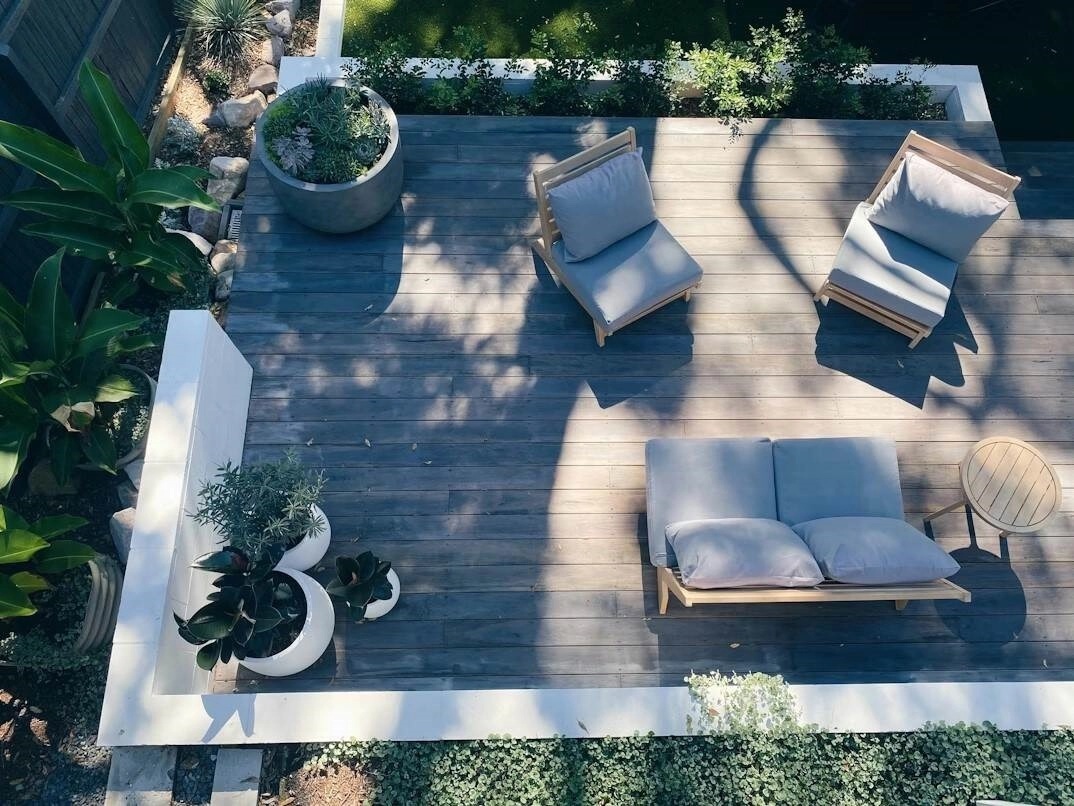
A Colorado backyard goes underused when it has no defined purpose beyond looking nice from the kitchen window, and the fix is a handful of practical changes, not a full redesign: a seating area sized for daily use, lighting that extends the evening season, and plant choices that survive our freeze-thaw winters and short growing season without constant upkeep. Small, functional upgrades change how a backyard gets used far more than one expensive centerpiece project does.
Why Do Front Range Backyards Go Underused?
Most homeowners put time and money into high-traffic indoor rooms first, so the backyard becomes the space that gets a mow and a glance rather than a plan. Once a project stalls, mid-summer heat and hail keep people inside, and a backyard that never had a clear use case sits idle through another Colorado season. Naming what the space is actually for, dining, lounging, gardening, play, before spending on any single upgrade keeps the project from drifting.
What Backyard Upgrades Cost the Least But Change the Most?
Outdoor lighting, a defined seating zone with a rug and furniture, and a few large planters with drought-tolerant perennials transform how a backyard feels for a fraction of the cost of a full landscape redesign. These changes also work well as a first phase before larger projects like a patio or deck, giving the space some daily use while the rest of the plan comes together.
How Does Colorado's Short Growing Season Affect Backyard Planning
The Front Range growing season runs from the last hard frost in spring to the first hard frost in fall, and a late frost can still hit after a run of warm spring days tempts homeowners to plant early. Build the backyard plan around hardscape and structural elements first, since those work in any season, and treat planting as the layer that goes in once the frost risk has passed for the year.
Does a Backyard Renovation Need an HOA Sign-Off?
Most Front Range HOAs require architectural review approval for visible structures like a pergola, fire pit, shed, or fence, though smaller changes like furniture, planters, and lighting fall outside that review in most cases. Check the Denver HOA rules and fees guide before finalizing plans for anything with a permanent footprint.
What Backyard Upgrades Add Resale Value on the Front Range?
Defined outdoor living space, a patio or deck, working irrigation, and healthy, low-maintenance landscaping all read as finished projects to a Front Range buyer, while an overgrown or cluttered backyard reads as deferred work the buyer will have to take on. See the preparing and adding value before selling guide for how backyard projects compare to interior updates, and check increasing property appeal with functional backyard additions for more Front Range examples.
How Does Hail Season Affect Outdoor Furniture and Structures?
Hail season on the Front Range runs from spring through September, and unprotected outdoor cushions, umbrellas, and lightweight furniture take the worst of it, along with softer decking and fence materials. Choose furniture rated for outdoor storage or plan a covered spot to move it during storm season, and budget for a pergola or awning if the backyard plan centers on furniture that needs protecting.
Should I Phase a Backyard Renovation Over Multiple Years?
Phasing spreads cost across seasons and lets the hardscape settle, especially new patios and retaining walls on expansive clay soil, before adding plantings and furniture on top of it. A phased plan also gives room to adjust: a fire pit zone that gets heavy use in year one can justify a covered structure in year two, while a rarely used corner of the yard can wait.
How Do I Find a Reliable Backyard Contractor in Colorado?
Ask for local references from Front Range projects specifically, since a contractor's experience in a warmer or wetter climate doesn't automatically translate to Colorado's clay soil, freeze-thaw cycles, and permit rules. Because homeowners search heavily for landscapers and backyard contractors online, local pros increasingly invest in tools like tradesmen seo to make sure their completed Front Range projects show up first; ask to see photos of work done in your specific climate zone before signing a contract.
What Backyard Features Do Front Range Buyers Actually Use?
A dining or grill zone close to the kitchen door, a shaded seating area, and low-maintenance landscaping get used far more than a decorative water feature or an elaborate garden bed that needs constant tending. Design around the paths people actually walk, from the back door to the grill, from the patio to the yard, rather than a layout that looks good only from a single vantage point.
Does a Fire Pit Need a Permit in Colorado?
Most Front Range cities allow a small, contained fire pit without a permit, but check local rules on burn bans during dry, high-wildfire-risk stretches, since a county-wide ban can suspend open flame features regardless of what the permit rules normally allow. HOAs add their own placement and screening requirements on top of the city rule in most cases.
What's a Reasonable Budget for a Backyard Renovation in Denver Metro?
| Project | Typical Denver Metro Cost |
|---|---|
| Lighting, seating area, planters (Phase 1) | $2,000 - $5,000 |
| Patio or hardscape addition | $8,000 - $20,000 |
| Pergola or shade structure | $8,000 - $20,000 |
| Full backyard redesign | $25,000 - $60,000+ |
Should Trees Be Part of a Backyard Renovation Plan?
A well-placed shade tree cuts summer cooling costs and softens intense Front Range sun on a patio or deck, but check for utility lines and root spread near foundations before planting, and confirm the species handles Colorado's climate and any local pest pressure. A crew like tree care can assess an existing tree's health before a renovation plan builds around it, since a declining tree is not worth designing a patio underneath.
How Does Wind Affect Pergolas and Shade Structures?
Front Range wind gusts along the foothills and across open lots east of Denver put real load on a pergola roof, especially a louvered or solid-top design that catches more wind than an open lattice. Engineered post connections and proper footing depth matter as much for a pergola as for a deck, and a shade structure that isn't engineered for local wind and snow load can shift or fail within its first few seasons.
How Does Snow Load Affect a Backyard Structure's Design?
Any roofed structure in a backyard, a pergola cover, a covered patio, or a shed, needs framing sized for the local design snow load, which runs heavier on the Front Range than in many other parts of the country because a single wet spring storm can dump significant weight in a short window. Confirm the framing plan accounts for that load before signing off on a contractor's design, especially for a solid-roof structure rather than an open slat design.
What Maintenance Keeps a Renovated Backyard Looking Finished?
A seasonal routine, spring cleanup and mulch refresh, summer watering checks, fall cutback before the first hard freeze, and winterizing irrigation lines, keeps a renovated backyard from sliding back into an underused, overgrown space within a year or two. Building that routine into the renovation plan from the start, rather than treating it as an afterthought, is what separates a backyard that stays finished from one that needs a second renovation in five years.
Where to Go Next
- Search every home for sale in Colorado
- Preparing and adding value before selling
- Backyard additions that boost property appeal
- Seasonal gardening in Denver
- Talk to a Kenna Real Estate Group agent
Talk to the Kenna Real Estate Group
The Kenna Real Estate Group can tell you which backyard upgrades matter most to Front Range buyers before you spend a dollar on renovation. Call or text 303-955-4220. A live person answers. Not a robot, not a phone tree. Search every home for sale in Colorado to see how outdoor living space is featured in current listings.
Homes for sale that match this post
- Homes with Fenced Yard in Denver
- Homes with Gourmet Kitchen in Denver
- Low-maintenance: guide
- All homes for sale in Denver
Guides
Questions about any home in Colorado? Call or text 303-955-4220. A live person answers.