New - 2 Hours Ago
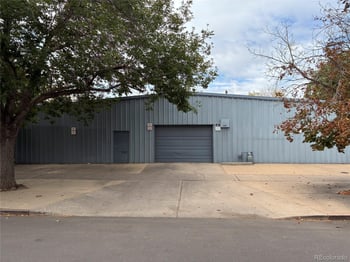
$1,250,000
Active
--
Beds
--
Baths
--
Sqft
0.29
Acres
1711 N Lafayette St, Denver, CO 80218
MLS#: REC8837082
.jpg)


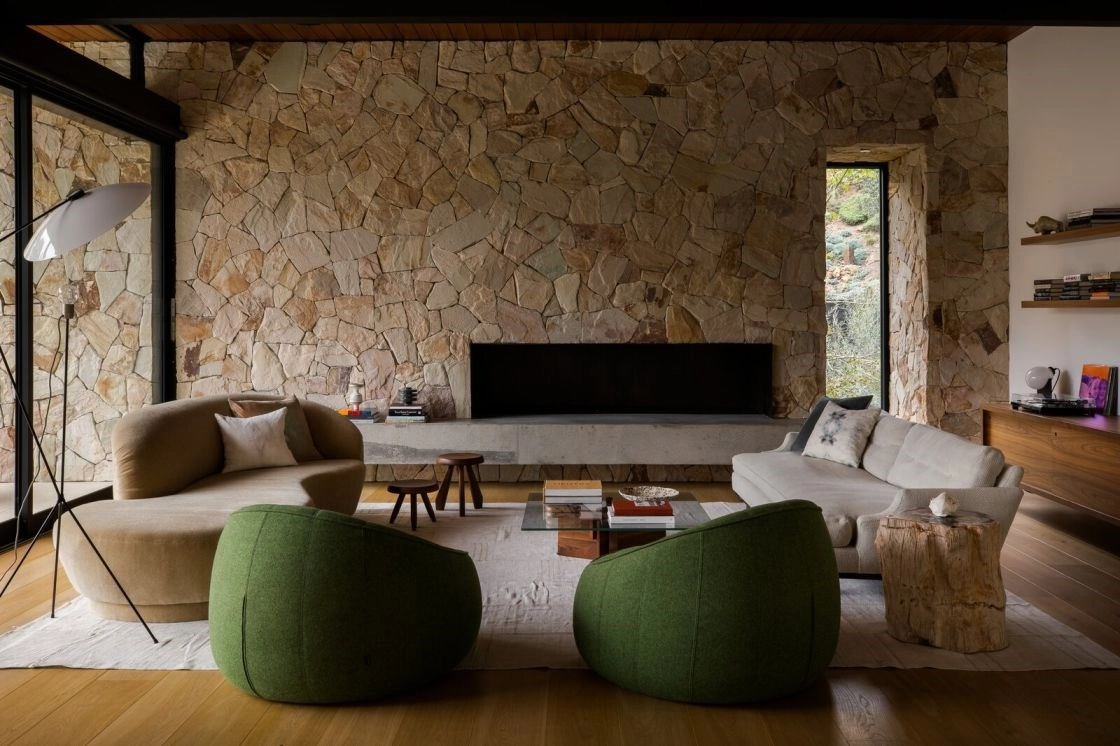
Denver's water runs 7 to 15 grains per gallon of hardness, and every time it sits on marble, travertine, or unsealed granite it leaves a faint etch ring that dulls the polish. Front Range stone restoration runs $3 to $12 per square foot for countertops and $4 to $9 per square foot for floors, and it is one of the fastest ways to get a kitchen or entry photo-ready before a listing goes live.
Stone surfaces in Denver, Aurora, Lakewood, Littleton, Centennial, Colorado Springs, and Fort Collins face three things stone in a milder climate does not: hard water, dry indoor air, and intense sun.
Not every stone reacts to Front Range conditions the same way, and the choice matters most at renovation or resale time.
Bathrooms take the worst of the Front Range's hard water. A stone shower surround left unsealed develops a cloudy scale buildup within months, and that buildup traps soap residue, making the surface look permanently dirty even after cleaning. A squeegee after every shower, a monthly pH-neutral deep clean, and an annual reseal keep scale from building into a job that needs professional stripping and repolishing.
Front Range wildfire and dust seasons leave a fine particulate film on exterior stone that works into unsealed pores if it sits for weeks between cleanings. Rinsing exterior stone surfaces after a smoke event, rather than waiting for the next scheduled cleaning, keeps that film from setting in. Heated driveways and entry steps, increasingly common on new Front Range construction, put stone through more freeze-thaw-style stress than an unheated surface because the meltwater keeps re-freezing at the unheated edges; a heated stone surface needs a denser sealer rated for that cycling.
Outdoor flagstone, stone veneer, and retaining walls take the hardest hit. Water gets into hairline cracks, freezes overnight, expands, and widens the crack. A Front Range winter can run dozens of freeze-thaw cycles between October and April. Sealing exterior stone every one to two years and re-pointing mortar joints before winter cuts the damage substantially. Mag chloride de-icer tracked in from driveways and sidewalks also etches stone entryways and should be swept off, not left to sit.
Restoration is three separate jobs, and a homeowner should know which one a contractor is quoting.
| Price band | Typical stone job | Cost range |
|---|---|---|
| Under $500,000 (Aurora, Lakewood, parts of Colorado Springs) | Kitchen counters (40-50 sq ft), one bathroom vanity | $600 - $1,800 |
| $500,000 - $900,000 (Littleton, Centennial, Fort Collins) | Kitchen counters, primary bath, entry floor | $1,800 - $4,500 |
| $900,000 and up (Denver luxury, Cherry Hills, Highlands Ranch estates) | Whole-home natural stone floors, exterior patios, fireplace surrounds | $5,000 - $15,000+ |
A dull, etched, or chipped stone counter reads as neglect in listing photos and in person, even when the rest of the kitchen is updated. Buyers price it as a repair line item, subtracting more than the restoration would have cost in many cases. Restoring existing natural stone before listing is almost always cheaper than a full countertop replacement and gives a faster return on the pre-listing improvements that add value in a Colorado sale.
Before a photographer shows up: clear every counter completely, polish or hone visible etching, re-seal, and steam-clean grout lines. A stone floor with hard-water haze photographs cloudy under flash, so a same-week clean and reseal ahead of the shoot makes a real difference in how the listing looks on the home search.
Many Front Range HOAs, including large ones in Highlands Ranch and Castle Rock, require architectural review before a homeowner replaces a stone patio, changes exterior stone veneer, or alters a front-facing retaining wall. Denver, Aurora, and Colorado Springs each require a permit for structural retaining wall work above a set height and for any electrical work tied into outdoor stone features like lighting or a fire feature. Check the Denver HOA rules and fees guide before starting exterior stonework.
Colorado's seller's property disclosure form asks directly about known defects, and a cracked or heavily etched stone surface the seller is aware of belongs on that form. During the buyer's inspection window, a stone crack or lippage hazard that was not disclosed can become a line item in the inspection objection, so it is worth addressing before the home goes under contract rather than negotiating it afterward.
A light clean and reseal is a reasonable weekend project for a homeowner. Grinding out chips, leveling lippage, or repolishing a dulled marble floor calls for diamond abrasive equipment and experience most homeowners do not have on hand, and a rushed DIY polish job can leave uneven sheen that photographs worse than the dull original surface. For a listing on a compressed timeline, a same-week professional job protects the schedule and the result. Get a same-day estimate from a licensed stone restoration company before booking a listing photographer, so the counters and floors are camera-ready on the first shoot.
Whether you are restoring stone to get top dollar on a listing or buying a home with stone surfaces that need a professional's attention, the Kenna Real Estate Group can point you to trusted Front Range contractors and price the improvement against what it returns at closing. Call or text 303-955-4220. A live person answers. Not a robot, not a phone tree. Or search every home for sale in Colorado.
Questions about any home in Colorado? Call or text 303-955-4220. A live person answers.
Granite resists hard-water etching far better than marble, travertine, or limestone because it is not calcium-based. It can still develop mineral haze from standing water, which a pH-neutral cleaner and periodic resealing removes.
A kitchen countertop takes one day for grinding, honing, and sealing. A full floor in a larger Front Range home can take two to four days depending on square footage and the number of rooms involved.
Honing produces a flat, matte-to-satin finish and hides scratches better on high-traffic floors. Polishing produces a glossy, reflective finish that shows veining and color, the standard choice for kitchen counters and listing photos.
Most natural stone counters need resealing every 12 to 18 months given the region's hard water and dry indoor air. A quick water-drop test, if it soaks in within a few minutes instead of beading, means it is time to reseal.
Yes. Colorado's seller's property disclosure form asks about known material defects, and a known crack, chip, or lippage hazard in stone flooring or counters should be listed rather than left for the buyer's inspector to find.
A flat patio replacement does not need a permit in most Front Range cities, but a retaining wall above a set height, structural changes, or any electrical work tied to outdoor stone features does. Check with the city and the HOA before starting.
Light scratches come out during honing and polishing. Deep gouges or cracks need grinding and sometimes a filler resin repair before the surface is polished.