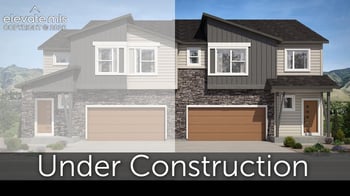
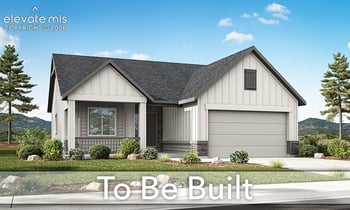
New - 21 Hours Ago
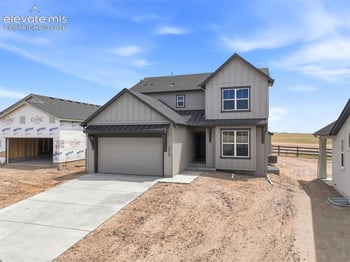
$674,000
Active
5
Beds
4
Baths
3286
Sqft
0.1353
Acres
7979 Wilton Dr, Colorado Springs, CO 80908
MLS#: 4671742
.jpg)



Choosing a custom home builder in Colorado is really choosing who manages a dozen moving pieces: soils engineering, HOA design review, permit timing, and subcontractor scheduling. These are the questions that separate a builder who can run all of that from one who just has a nice portfolio.
Ask specifically about experience in the county or city where the home will be built, not just total years in business. A builder with a track record in that jurisdiction already knows the local plan review process, the inspectors, and the subcontractors who show up on time, which matters more than a longer resume built somewhere else.
Colorado has no statewide general contractor license, but Denver requires licensed contractors for most individual trades, and other counties set their own rules. Verify current license numbers directly with the city or county building department before signing anything, and ask the builder to show proof of general liability insurance and workers' compensation coverage as well.
Most of the Front Range sits on expansive bentonite clay soil that requires a soils report and an engineered foundation design, and a builder who orders that report early, before finalizing the foundation plan, avoids a common source of mid-project delay and cost overrun. Ask when the soils report was or will be ordered and who's reviewing it.
Ask for a detailed, itemized bid that separates materials, labor, permits, design fees, and allowances for fixtures and finishes, and make sure every builder being compared is quoting the same level of detail. A vague lump-sum number makes it impossible to compare builders fairly and makes change orders harder to price later.
Builders working inside Denver's 2022 energy code have to meet specific insulation, window, and mechanical efficiency standards, which affects both material cost and the equipment specified for the home. Ask how the builder's standard specification package compares to the code minimum, and whether Xcel Energy rebates apply to any of the proposed high-efficiency equipment.
A custom home on the Front Range commonly runs 12 to 18 months from permit issuance to move-in, longer with a well, septic system, or a difficult lot. Ask for the actual permit and completion dates on the builder's last three projects in the same area, not a general estimate, since that comparison shows how their schedule holds up against reality.
Ask specifically how change orders are priced, documented, and approved, since this is where budgets most frequently run over. A builder with a clear written change-order process, cost plus a defined markup, written approval required before work proceeds, keeps a buyer from disputing charges after the fact.
The person a buyer meets at the sales office is frequently not the person running the job site. Ask to meet the actual project superintendent and confirm the frequency of progress updates, since that relationship shapes the entire build experience more than the initial sales conversation does.
Most Colorado custom builders offer at least one year of coverage on materials and workmanship, with longer coverage on structural components. Get the exact terms in writing, including what's excluded, before signing the construction contract, not after the home is finished.
Many Front Range communities require architectural review committee approval on top of the city or county building permit, and that review adds 2 to 6 weeks in most cases if submitted alongside the permit application. Ask whether the builder has worked with this specific HOA or metro district before and how long their last approval took.
Ask whether the builder keeps an in-house crew or relies on subcontractors, and if it's the latter, how those subcontractors are vetted and how long they've worked with the builder. A stable crew of electricians, plumbers, and framers who've worked together on multiple Front Range projects means fewer scheduling gaps than a builder who assembles a new team for every job.
This type of loan releases money in draws tied to inspection milestones, foundation complete, framing complete, and so on, so the builder's schedule and the lender's draw schedule need to line up. Ask the builder how they've coordinated draw inspections with other buyers' lenders in the past, since a mismatch here can stall a project even when the construction itself is on track.
Ask a builder to name the specific inspector or plan reviewer they've worked with most recently in that city or county, and what changed in the local energy code or permit process in the last year. A builder who can answer specifically has real, current experience in that jurisdiction; one who gives a vague answer is less familiar with that office than the sales pitch suggests.
Yes, roof framing and truss design on the Front Range have to meet the local snow load requirement, which varies by elevation, higher in the foothills than in Denver proper. This is a standard part of the structural engineering review, but it's worth asking a builder how their design accounts for it if the lot sits at a higher elevation than most of their past projects.
Builders with real experience in the Colorado market can point to net zero homes for sale as an example of how energy-efficient features get built into a home from the start rather than added later, and comparing that kind of build to a standard package helps a buyer understand what's included versus what's an upgrade. Buyers researching options online through a search for custom builders near me should still confirm local Front Range experience specifically, since a national brand's reputation says nothing about familiarity with Colorado soils, HOA rules, or permit offices.
Get the itemized estimate, the payment and draw schedule, the change-order process, the warranty terms, and proof of current license and insurance all attached to the signed contract, not promised verbally. A buyer who has all of this in writing before groundbreaking has real recourse if the build doesn't go as described; one who doesn't is negotiating from a much weaker position later.
The Kenna Real Estate Group reviews builder contracts, permit history, and HOA design guidelines with Colorado buyers before they sign with a custom builder, so the questions above have real answers, not just sales-office promises. Call or text 303-955-4220. A live person answers. Not a robot, not a phone tree. Or search every home for sale in Colorado, including custom-build lots.
Questions about any home in Colorado? Call or text 303-955-4220. A live person answers.
Colorado has no statewide general contractor license, but Denver requires licensed contractors for most individual trades. Verify license numbers with the specific city or county before signing.
Most Front Range lots sit on expansive clay soil that requires a soils report and an engineered foundation design; ordering it early avoids delay and cost overrun during the foundation stage.
Commonly 12 to 18 months from permit issuance to move-in, longer with a well, septic system, or a difficult lot; ask a builder for real dates from their last three projects rather than a general estimate.
Xcel Energy offers rebates on qualifying high-efficiency HVAC and other equipment; ask a builder whether their standard specification package qualifies before finalizing the equipment list.
Most offer at least one year on materials and workmanship with longer coverage on structural components; get the exact terms and exclusions in writing before signing the contract.
Architectural review committee approval adds 2 to 6 weeks on top of the city or county permit in most cases; submitting to both at the same time keeps it from stacking on top of the permit timeline.