.jpg)


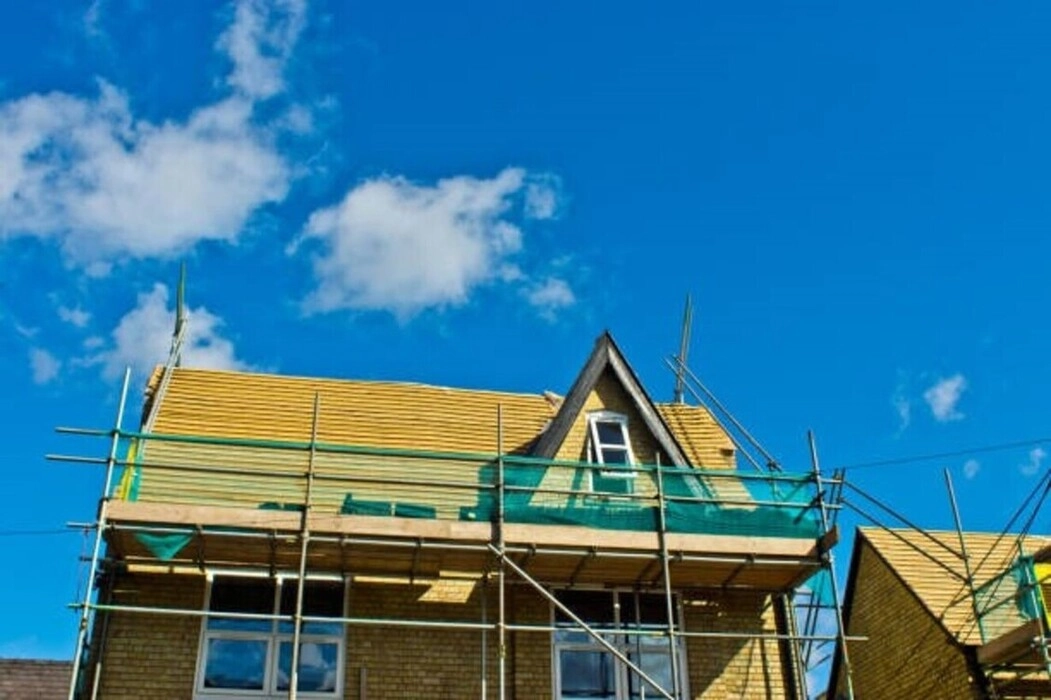
A full roof replacement strips a Colorado roof down to the decking and rebuilds it from underlayment up, and knowing each stage helps a homeowner ask the right questions and avoid a rushed job before the next hailstorm. Here is what actually happens, in order, and where Colorado's permits, climate, and insurance rules change the process compared with a milder-climate replacement.
1. Initial inspection and assessment
A contractor inspects the existing roof for structural damage, rot, and weak spots in the decking before recommending a full replacement over a repair. Companies like Kingdom Roofing Systems walk the roof and the attic to check for poor ventilation and past water damage, since those findings shape both the material choice and the scope of decking repair the project will need.
2. Material selection: Class 4 shingles matter here
Colorado's hail exposure makes material choice a bigger decision than it is in most states. Class 4 impact-resistant shingles are rated to withstand a 2-inch steel ball dropped from height without fracturing, and many Colorado insurers offer a premium discount, commonly in the range of 10 to 35 percent, for a roof rated Class 4. That discount, combined with fewer future hail claims, offsets the higher upfront cost of impact-resistant shingles over a standard architectural shingle within several years in most cases.
3. Permits and scheduling around hail season
Most Front Range cities and counties require a building permit for a full roof replacement, and a licensed contractor pulls it on the homeowner's behalf as part of the job. Scheduling also has to work around Colorado's roofing calendar: the mid-April to mid-September hail season is both the highest-demand period for roofers, since it follows major storms, and the riskiest window to leave a roof partially torn off overnight. Many homeowners schedule non-emergency replacements for late spring before hail season peaks, or for fall, when contractor backlogs from summer storm claims start to clear.
4. Tear-off: removing the old roofing materials
Crews remove the old shingles, underlayment, and damaged flashing down to the decking, and clear debris from the site immediately to keep the yard and driveway clear to walk. This step is also the first real look at the decking, since problems hidden under old shingles, like rot from a slow leak or damage from an ice dam, only become visible once the surface is stripped.
5. Decking repair
Any compromised decking gets cut out and replaced with new wood before installation continues, since a weak deck cannot properly support new roofing material or hold nails securely. Colorado's freeze-thaw cycles and occasional ice dams along the eaves make eave-area decking one of the more common spots needing repair, particularly on older homes with less attic insulation than current code requires.
6. Installing the new roofing system
Installation builds up in layers, each doing a specific job:
- Underlayment for moisture protection under the shingles.
- Drip edges along the roof perimeter to direct water into the gutters.
- Flashing around chimneys, vents, and skylights, the most common leak points on any roof.
- Ventilation components to support airflow through the attic, which matters for both summer heat and winter ventilation that helps prevent ice dams.
- The roofing material itself, installed in overlapping rows per the manufacturer's specification.
Full replacement versus roof overlay
A full replacement removes everything down to the decking, which lets a contractor find and fix hidden problems and start from a clean foundation. A roof overlay installs new shingles directly over the existing layer, which costs less upfront but leaves any decking issue unaddressed and carries a shorter warranty in most cases. Most Colorado insurers and roofing manufacturers favor full replacement, particularly on a roof that has already taken hail damage once.
7. Cleanup and final inspection
Crews clean the property thoroughly, removing nails, debris, and old materials, and run a magnetic sweep of the yard and driveway to catch stray nails. A final inspection confirms the roof meets local building code and manufacturer installation standards before the project closes, and most Front Range jurisdictions require a passed inspection before the permit is closed out.
Weather and scheduling delays
Colorado's dry days are ideal for tear-off and installation, and a reputable contractor builds a weather buffer into the schedule rather than starting a full tear-off when an afternoon thunderstorm is forecast. A partially torn-off roof left exposed overnight during a surprise storm risks interior water damage, so ask how the crew handles a same-day weather change and whether a dry-in tarp is standard practice if the project runs past a single day.
Warranty types to understand
Two separate warranties cover a new roof, and confusing them causes most post-installation disputes. The material warranty comes from the shingle manufacturer and covers defects in the product itself, running for decades in most cases. The workmanship warranty comes from the contractor and covers installation errors, and it runs much shorter, commonly two to ten years depending on the company. Ask for both in writing, and confirm whether the contractor's certification with the manufacturer qualifies the job for an extended combined warranty, since many manufacturers offer that upgrade only through certified installers.
Colorado roof replacement cost
A full asphalt shingle roof replacement on a typical Denver metro home runs roughly $8,000 to $18,000 depending on square footage, pitch, and whether decking repair is needed, with Class 4 impact-resistant shingles adding to that range. Metal and premium materials price higher. Get a written, itemized estimate that separates material, labor, decking allowance, and permit costs before signing.
Questions to ask before signing
- Who pulls the permit, and is that cost included in the quote?
- What happens if decking damage is found once tear-off begins, and what is the per-sheet replacement cost?
- Does the contractor carry current Colorado liability insurance and workers' compensation?
- What manufacturer certification does the crew hold, and does it affect the warranty?
- Does my HOA require design review for the material or color before work starts?
What a homeowner does during the project
A homeowner's role during replacement is mostly logistical: move vehicles away from the driveway on tear-off day so the dumpster or debris trailer has clear access, secure or remove anything hanging on interior walls since the hammering can loosen picture frames, and keep pets indoors while crews are on and around the roof. Expect noise for the full workday, and confirm with the contractor how attic access and any interior work, such as fixing a ceiling stain from a prior leak, fits into the schedule.
Paperwork to keep
Keep the signed contract, the material and workmanship warranties, the final inspection sign-off, and dated photos of the completed roof. That documentation matters for a future insurance claim, for an HOA compliance file, and for a buyer's inspection if the home sells before the roof's expected end of life.
Where to go next
- Preparing and adding value before selling
- The Colorado Home Seller's Guide
- Denver HOA rules and fees guide
- Roof replacement in Colorado: costs, lifespan, and best materials
- The 10 best roofing companies in Pueblo, Colorado
- Search every home for sale in Colorado
Talk to the Kenna Real Estate Group
The Kenna Real Estate Group helps Colorado homeowners understand how a roof's age, material, and paperwork affect a home's value and how it shows on inspection. Call or text 303-955-4220. A live person answers. Not a robot, not a phone tree. Or search every home for sale in Colorado right now.
Homes for sale that match this post
Guides
Questions about any home in Colorado? Call or text 303-955-4220. A live person answers.