New - Just Now

.jpg)


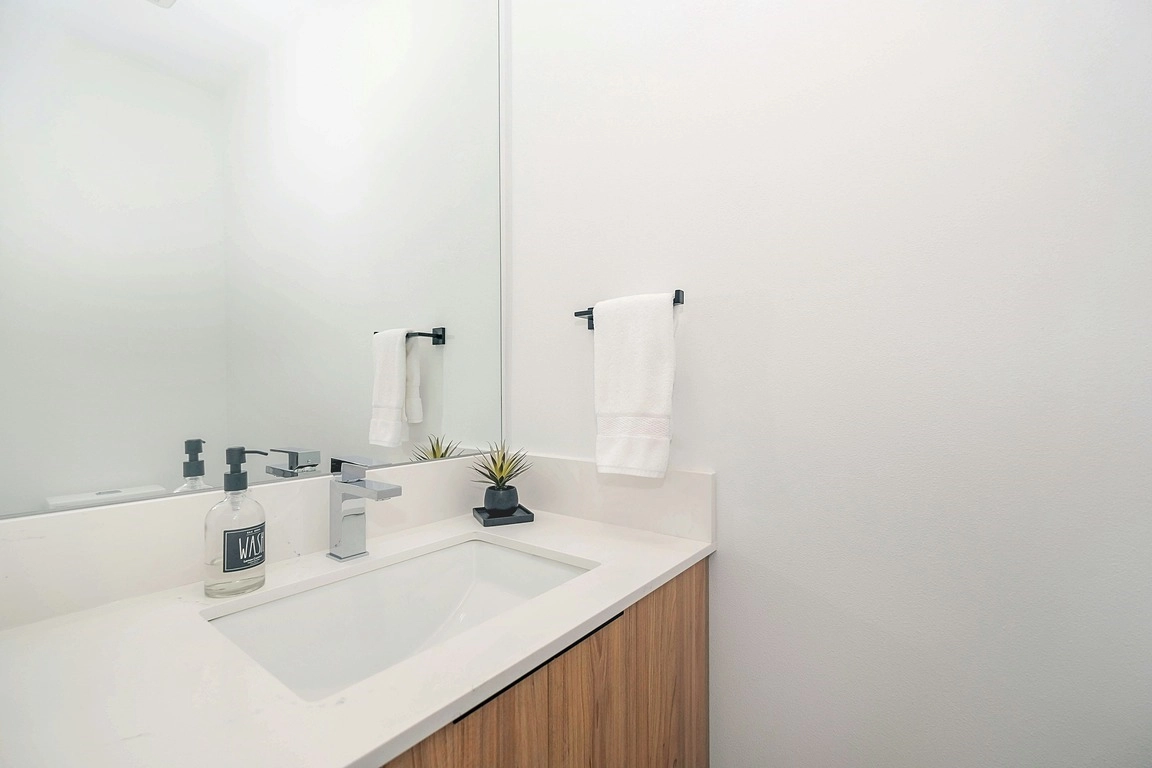
A complete bathroom remodel in the Denver metro runs $15,000 to $35,000 for a full gut of an average 5-by-8-foot bathroom, and $40,000 or more for a primary suite with a curbless shower and double vanity. Layout, materials, and the shower area drive most of that number, and Colorado's climate and permitting rules shape what actually holds up.
A mid-range remodel that keeps the existing footprint (new tile, vanity, fixtures, paint) runs $15,000 to $25,000. Moving the toilet or shower drain, or combining a tub and shower into one walk-in space, adds $5,000 to $10,000 in plumbing work. A primary bathroom with a frameless glass shower, heated floor, and custom cabinetry runs $35,000 to $55,000.
Yes, when the work touches plumbing or electrical. Moving a drain line, adding a second shower head on its own line, or adding a GFCI circuit for a new outlet all require a permit and a city inspection in Denver and most Front Range cities. Swapping a vanity, toilet, or fixtures in the same location without moving pipe does not need one.
Most HOAs do not review interior bathroom work since nothing changes on the exterior of the unit. An HOA or metro district review applies if the remodel adds a new vent through the roof or exterior wall, or changes a window. Check the covenants before the contractor cuts a new exhaust path.
Front Range water runs 7 to 15 grains per gallon of hardness. On frameless glass shower doors, that mineral content leaves visible spotting and a cloudy film within months without a squeegee habit or a protective glass coating applied at install. Chrome and nickel fixtures show water spots faster than matte black or brushed finishes, which hide mineral buildup better between cleanings.
Yes. Wood vanities and cabinetry shrink slightly in Denver's low winter humidity, and grout can develop hairline cracks faster in a dry, temperature-swinging bathroom than in a humid climate. A properly sized exhaust fan running during and 20 minutes after every shower keeps the swing in relative humidity smaller and reduces the stress on grout lines and wood joints over time.
Yes, in homes built on expansive clay soils common in parts of Highlands Ranch, Castle Rock, Parker, and Aurora. Small seasonal foundation movement transfers through a rigid tile floor set directly on the slab and shows up as a crack in a straight line near a doorway or the tub. A crack-isolation membrane under new tile absorbs some of that movement and costs a few hundred dollars more than skipping it, which is far less than repairing cracked tile in 3 to 5 years.
A 32-by-60-inch walk-in shower with a single frameless glass panel fits most 5-by-8 layouts and opens the room up more than a tub-shower combo. Combining the toilet and shower onto the same wall keeps plumbing runs short, which lowers labor cost. When to Choose a Frameless Fixed Glass Shower Panel covers the tradeoffs against a full enclosure.
Many Front Range homeowners start a remodel after noticing signs you need a shower upgrade: low water pressure, an outdated tub-shower combo, or fixtures that no longer match the rest of the home. A walk-in shower with a rainfall head and frameless glass door reads as the most updated feature to a buyer walking through, and it is the single item a Denver metro buyer notices first in listing photos.
Porcelain tile resists both mineral staining and the freeze-thaw stress a garage or unheated space sees, and it works well on Front Range floors. Quartz countertops need no sealing and shrug off hard water spotting better than natural stone. For finishes, matte black, brushed nickel, and brushed gold all hide water spots better than polished chrome under a Denver metro bathroom's typical lighting.
Deep vanity drawers, a mirrored medicine cabinet, and a recessed shower niche cover most storage needs without adding square footage. In a primary suite, a linen tower next to the vanity keeps towels off the counter and reads as more finished to a buyer than open shelving alone.
Set a tiered budget that separates must-haves (waterproofing, plumbing, electrical) from optional upgrades (heated floor, custom tile pattern, smart mirror) before the contractor orders materials. Add 10% to 15% as a contingency for anything found once the old tile and drywall come out, since that is where most Front Range remodel budgets grow.
A mid-range bathroom remodel returns roughly 60% to 70% of its cost at resale in national cost-vs-value data for the Mountain region; an over-improved primary bath with high-end finishes in a mid-priced home returns less. The Smart Pricing Report from the Kenna Real Estate Group shows how a specific remodel compares to recent sales in the same neighborhood before work starts.
Colorado's standard Seller's Property Disclosure asks about known plumbing, electrical, and water damage issues, including any remodel work done without a permit. Colorado's standard contract also sets an Inspection Objection Deadline, a specific date rather than a fixed number of days, by which a buyer must raise anything found during inspection, including a soft subfloor near a tub or a shower pan that was never properly waterproofed.
Yes, for any permitted work. Denver and most Front Range building departments require a state-licensed plumber or electrician to pull the permit and sign off on the work, even when a general contractor manages the rest of the project. Hiring an unlicensed sub to move a drain or add a circuit puts the permit, and later the sale, at risk if the city inspection fails or was never scheduled.
| Scope | Typical Denver metro cost | Timeline |
|---|---|---|
| Cosmetic refresh (paint, fixtures, vanity swap) | $5,000 to $12,000 | 1 to 2 weeks |
| Full remodel, same footprint | $15,000 to $25,000 | 3 to 5 weeks |
| Full remodel with layout change | $25,000 to $40,000 | 5 to 8 weeks |
| Primary suite, curbless shower and custom cabinetry | $40,000 to $55,000+ | 7 to 10 weeks |
Ask for the printable bathroom remodel checklist in the form below and the Kenna Real Estate Group emails it the same day. A remodel done with permits and Front Range materials in mind sells easier when it is time to list. Call or text 303-955-4220. A live person answers. Not a robot, not a phone tree. Start today and search every home for sale in Colorado.
Questions about any home in Colorado? Call or text 303-955-4220. A live person answers.
A mid-range remodel in the existing footprint runs $15,000 to $25,000; a primary suite with a curbless shower runs $35,000 to $55,000.
Yes, for any work that moves plumbing or adds electrical circuits. A straight fixture swap in place does not need one.
Front Range water runs 7 to 15 grains per gallon of hardness, which spots frameless glass and dulls chrome faster than matte finishes.
Yes, on expansive clay soils common in parts of Highlands Ranch, Castle Rock, and Aurora. A crack-isolation membrane under new tile reduces the risk.
National cost-vs-value data for the Mountain region puts a mid-range bathroom remodel's return at roughly 60% to 70% of its cost.
Most Front Range remodels take 3 to 6 weeks once permits are approved, longer for a primary suite with a layout change.
Colorado's Seller's Property Disclosure covers known plumbing, electrical, and water damage issues, including unpermitted work.