Open: Sat 11:00 AM - 1:00 PM
$960,000
Coming Soon
4
Beds
3
Baths
2386
Sqft
0.33
Acres
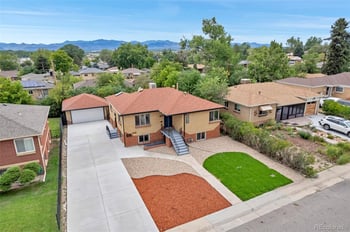
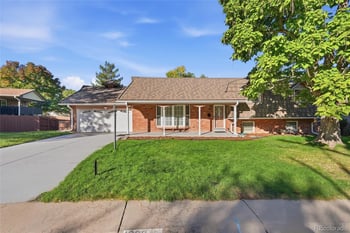
12234 W Applewood Knolls Dr, Denver, CO 80215
MLS#: REC8492958
.jpg)



An adjustable bed needs a 32- to 36-inch clear doorway and roughly 10 by 12 feet of room to sit with space for a caregiver to move around three sides, which rules out a lot of older Front Range homes with 30-inch interior doors and small secondary bedrooms. Planning the room and the path to it, before the bed arrives, is what makes the setup work in a home that was not built with one in mind.
| Modification | Denver metro cost range | Permit needed |
|---|---|---|
| Swing-clear door hinges | $50 - $150 per door | No |
| Widen a doorway (frame work) | $500 - $1,500 per door | Yes, for a load-bearing wall |
| Modular exterior ramp | $1,500 - $6,000 | Check with the local jurisdiction |
| Main-floor room conversion | $5,000 - $20,000 | Yes, for new walls or a closet |
| Roll-in shower remodel | $8,000 - $18,000 | Yes, for plumbing work |
Most homes built across the Denver metro before the 1990s used 28- to 30-inch interior doors, which is tight for a hospital-style bed frame and tighter still if a wheelchair or walker needs to pass through the same opening. A 32-inch or wider door, and a hallway at least 36 inches clear, is the practical minimum; swing-clear hinges add 1.5 to 2 inches of usable width to an existing door opening for $50 to $150 per door without a full frame replacement.
Measure before assuming a room works: lay out a 10 by 12 foot rectangle with painter's tape on the actual floor, then walk the space with a folding chair standing in for a caregiver's working area. It takes fifteen minutes and catches a too-small room before a bed and frame are delivered and returned.
A 10 by 12 foot room fits a full-size adjustable bed with access on three sides for a caregiver and equipment. Smaller secondary bedrooms common in older Front Range homes, sized around 9 by 10 feet, fit the bed but leave little room to work around it, which is worth measuring before assuming any bedroom will do.
A single-level ranch or patio home avoids the stair question entirely, which is why ranch-style inventory across Highlands Ranch, Centennial, and the Denver metro's patio-home communities moves quickly when buyers are shopping for main-floor living. In a two-story home, converting a main-floor office or dining room into a bedroom is the more workable option in most cases than moving a bed upstairs, and it costs $5,000 to $20,000 depending on whether a closet and door need to be added.
A permanent exterior ramp meeting a 1:12 slope ratio costs $1,500 to $6,000 for a modular aluminum ramp, or more for a poured concrete ramp built to match a home's grading. A zero-step entry, regrading a single entry point instead of adding a full ramp, runs $3,000 to $10,000 depending on the existing grade change.
Colorado HOAs govern exterior changes, and a permanent ramp or a widened doorway on a shared exterior wall needs an architectural review submission. Under the federal Fair Housing Act, an HOA has to allow a reasonable modification for a disability-related need, though the homeowner pays for the modification and, depending on the community's governing documents, restores the original condition when the home sells. Reading the specific HOA's rules, or asking the property manager directly, avoids a dispute after work is already done.
Most adjustable beds plug into a standard 15-amp outlet and need no electrical work or permit. A hardwired lift system or a bed with an integrated medical alert system tied into a home's wiring does require a licensed electrician and, in most Front Range jurisdictions, a permit. Checking the specific bed's power requirements before assuming a plug-in setup covers it saves a call back to the installer.
An adjustable bed or other home medical equipment is personal property, not a fixture, and Colorado's seller disclosure requirements do not require noting that a room was previously set up for one. Before listing, remove or store the equipment, patch any anchor points from a lift system, and stage the room as a standard bedroom or office; buyers respond to how a room shows, not to its prior use. The Kenna Real Estate Group's guide to preparing and adding value before selling covers what to clear and repair before photos.
A main-floor primary bedroom with a wide door and an accessible bathroom is one of the features buyers across the Denver metro search for directly, because it works at any point in a home's use: a knee replacement, an injury recovery, or a bed that needs to sit on one level long-term. Single-level and main-floor-primary homes across Highlands Ranch, Littleton, and the Denver metro's patio-home communities carry a resale premium tied to exactly this flexibility.
A curbless, roll-in shower replacement runs $8,000 to $18,000 in the Denver metro, including a waterproofed pan and a wider door or pocket door into the bathroom. Buyers touring homes with one already in place treat it as a finished upgrade, not a liability, since it reads as a modern bathroom remodel as much as an accessibility feature. Grab bars alone, installed into blocked wall framing, run $150 to $400 per bar and add far less cost for a similar amount of daily function.
A 36-inch hallway is the working minimum for a bed frame, a walker, or a wheelchair to pass through a Front Range home without scraping trim on both sides. Many homes built in the 1970s and 1980s across the Denver metro used 32- to 34-inch hallways, which fit a single piece of equipment but not two people passing at once. Measuring the full path from the front door to the room, not just the room's own doorway, catches the tight spot before moving day.
Ranch and patio home inventory is denser in Highlands Ranch, Centennial, Lone Tree, and Colorado Springs's newer planned communities than in Denver's older urban neighborhoods, where most housing stock is a two-story bungalow or a Denver Square built before single-level living was a design priority. The Kenna Real Estate Group's Denver metro downsizing guide maps out where that inventory concentrates.
The Kenna Real Estate Group helps Front Range buyers find single-level and main-floor-primary homes that work for a bed, a ramp, or a wider doorway, and helps sellers prepare a home that has had medical equipment for a strong first showing. Call or text 303-955-4220. A live person answers. Not a robot, not a phone tree. Search single-level inventory now at search every home for sale in Colorado.
Questions about any home in Colorado? Call or text 303-955-4220. A live person answers.
Plan on 32 to 36 inches of clear width. Many Colorado homes built before the 1990s have 28- to 30-inch doors, which swing-clear hinges can widen by 1.5 to 2 inches for $50 to $150 per door.
Buying an existing ranch or patio home avoids stairs entirely and costs roughly the same as remodeling once permit and construction costs are factored in. Converting a main-floor room in a two-story home runs $5,000 to $20,000.
The HOA reviews exterior changes through its architectural process, and under the federal Fair Housing Act it has to allow a reasonable disability-related modification, though the homeowner pays for it.
No, if it plugs into a standard outlet. A hardwired lift system or integrated medical alert wiring needs a licensed electrician and, in most Front Range jurisdictions, a permit.
No. Medical equipment is personal property, not a fixture, and Colorado disclosure rules do not require noting a room's prior use. Remove the equipment and stage the room before listing.
Regrading a single entry point runs $3,000 to $10,000. A modular ramp runs $1,500 to $6,000; a poured concrete ramp built to match the home's grade costs more.
It's one of the more searched-for features in the Denver metro, since it works at any life stage, and single-level or main-floor-primary homes in communities like Highlands Ranch carry a resale premium tied to that flexibility.