New - 15 Mins Ago
.jpg)


New kitchen cabinets in the Denver metro run $8,000 to $25,000 for stock or semi-custom boxes in an average 200 to 250 square feet of cabinetry, and $30,000 to $60,000 or more for full custom work. The material, the box construction, and Colorado's dry climate all move that number, and they change what holds up over the next 15 years at 5,280 feet.
Three things set the price: box construction (plywood versus particleboard), door style (flat-panel laminate versus solid wood with raised panels), and how much of the layout changes. Moving a sink, range, or wall adds electrical and plumbing work on top of the cabinet line-item. A straight cabinet swap in the same footprint costs the least; moving the island or opening a wall into a dining room costs the most.
Stock cabinets ship in fixed sizes (3-inch width increments) from a warehouse and cost the least. Semi-custom lines offer more sizes, finishes, and interior organizers on a 4- to 8-week lead time. Full custom cabinets are built to the exact dimensions of the kitchen, with a lead time of 10 to 16 weeks from a Front Range shop and longer from an overseas manufacturer.
Yes. Denver's indoor humidity drops into the teens and twenties in winter, well below the 30% to 50% range wood cabinetry is built for. Solid wood door panels shrink across the grain and can show a hairline gap or crack at the panel edge by the second winter. Face-frame joints built with dowels instead of mortise-and-tenon construction open up faster in this climate. A whole-house humidifier, or at minimum a portable unit in the kitchen through the winter, keeps solid wood doors from moving as much.
Front Range tap water runs 7 to 15 grains per gallon of hardness. Mineral spray near the sink base etches unsealed wood and dulls matte lacquer finishes over a few years. Thermofoil and painted MDF doors wipe clean and resist water spotting better than raw wood in the sink cabinet specifically, even in a kitchen where the rest of the cabinetry is solid wood. Quarter-sawn oak and hard maple move less with humidity swings than flat-sawn pine or poplar, which matters more here than in a coastal climate.
Ask for the box material in writing (plywood thickness, not just "wood"), the joinery method on the doors, and the finish warranty length. A five-year finish warranty is standard; ten years is strong. Ask how the company handles a damaged panel that arrives cracked from shipping, since that happens more frequently with cabinetry shipped a long distance to altitude.
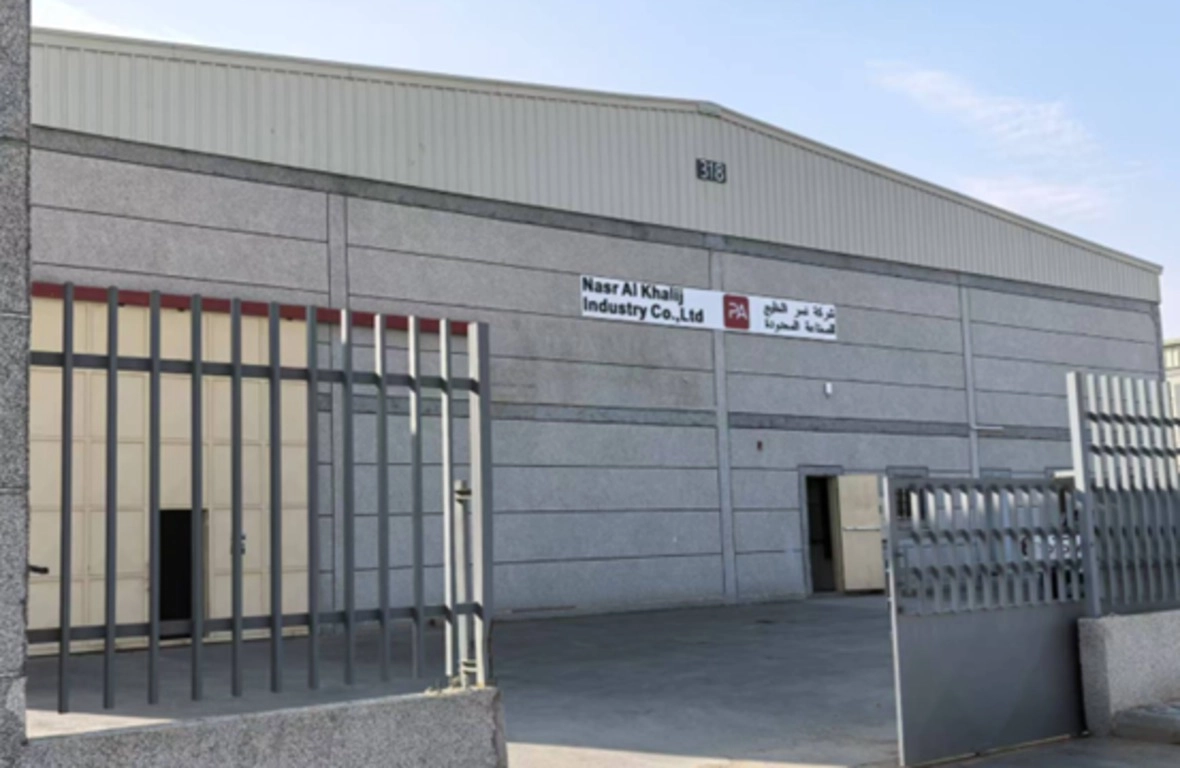
A small number of Denver metro homeowners doing a full custom kitchen import cabinetry rather than buying local. PA Home is one overseas manufacturer that shows up in that research, and its rundown of the Saudi Arabian kitchen cabinet market is a useful look at how climate and construction standards differ by region before assuming an import line will perform the same way at altitude. Manufacturers publish their own kitchen cabinet designs and full kitchen cabinets catalogs online, and a list like the best kitchen cabinet manufacturers in Saudi Arabia is worth a look for comparison even for a buyer who ends up ordering from a Front Range shop instead. A shop such as PA Home that also sells aluminum windows and doors shows the kind of bundled remodel package some manufacturers offer; ask directly whether a local Denver contractor matches that scope.
Most Front Range HOAs do not review interior kitchen work, since it is not visible from the street. An HOA or metro district review applies if the remodel adds an exterior vent, changes a window opening, or extends the footprint. Check the covenants before ordering cabinets that require a new exhaust vent through an exterior wall.
A straight cabinet replacement in the same footprint does not need a permit in Denver or most Front Range cities. Moving a gas line for a range, adding a dishwasher circuit, or relocating a sink drain does require an electrical or plumbing permit and a city inspection before the drywall closes up. Skipping that permit on plumbing or electrical work becomes a disclosure item on the Colorado Seller's Property Disclosure when the home sells.
National cost-vs-value data for the Mountain region puts a minor kitchen remodel's resale return in the 70% to 85% range; a full high-end gut with custom cabinetry, all new appliances, and a layout change lands lower, closer to 45% to 60%. Buyers in the Denver metro's competitive market respond to updated cabinets and counters more than any other single kitchen change. See the Preparing and Adding Value Before Selling guide for the full breakdown by project.
Refacing keeps the existing boxes and replaces doors, drawer fronts, and hardware, at roughly 40% to 60% of a full replacement cost. It works when the boxes are still square and the layout is not changing. It does not solve a layout that is already too tight, and it does not fix face-frame joints that have already opened from years of dry Colorado winters.
Order to install runs 6 to 10 weeks for semi-custom cabinets and 10 to 16 weeks for full custom, plus 2 to 5 days for the installer to set boxes, hang doors, and adjust hinges. Add 2 to 4 weeks if the project needs an electrical or plumbing permit, since the city inspection has to pass before drywall and trim go back on. A homeowner staying in the house during the work should plan on losing full kitchen use for 1 to 3 weeks around the install date.
Quarter-sawn white oak and hard maple move the least across seasonal humidity swings, which matters more in Denver than in most of the country. Cherry and walnut look striking but show color shift faster under the intense UV at 5,280 feet, especially on a west- or south-facing kitchen window. Painted MDF avoids wood movement entirely, which is why it has become the most common door choice in new Front Range kitchens over the past several years.
Planning a kitchen remodel before selling a Denver metro home, or buying a home that needs one, changes how the Kenna Real Estate Group prices and markets the property. Call or text 303-955-4220. A live person answers. Not a robot, not a phone tree. Start today and search every home for sale in Colorado.
Questions about any home in Colorado? Call or text 303-955-4220. A live person answers.
Stock or semi-custom cabinets run $8,000 to $25,000 for an average kitchen; full custom work runs $30,000 to $60,000 or more.
No, not for a straight swap in the same footprint. Moving plumbing or adding an electrical circuit does need a permit and inspection.
Yes. Low indoor humidity in winter shrinks solid wood door panels and can open face-frame joints over a few years unless the home runs a humidifier.
Thermofoil and painted MDF doors wipe clean and resist mineral spotting near the sink better than raw or oiled wood.
Refacing costs roughly 40% to 60% of full replacement and works when the existing boxes are still square.
Most Front Range HOAs only review exterior changes, so an interior cabinet swap is not subject to architectural review unless it adds an exterior vent.
A minor remodel returns roughly 70% to 85% of its cost at resale; a full high-end gut returns less, closer to 45% to 60%.