New - 30 Mins Ago

.jpg)


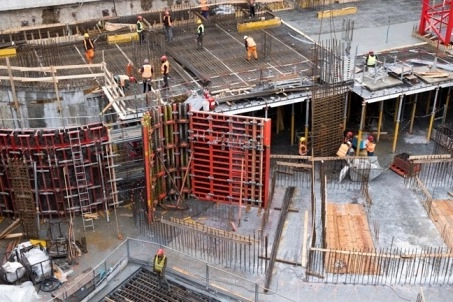
A construction plan error rarely has one owner. Colorado law assigns liability to whoever made the mistake and whoever should have caught it before it was built, which frequently means some combination of the architect, the engineer, the contractor, and sometimes the property owner.
Studies show approximately 30% of total construction costs on a project trace back to errors, inefficiencies, and omissions somewhere in the plans, which is why the question of who pays for a fix comes up on a regular basis. The architect is responsible for the design meeting code and matching the owner's stated needs. The structural engineer is responsible for calculations and system design. The general contractor is responsible for building to the plans and for flagging an obvious error before proceeding, not just following bad drawings blindly. Subcontractors are responsible for their own scope of work. Liability frequently lands on more than one party at once, which is why Colorado construction defect cases are commonly settled through negotiation between insurers rather than a single clean verdict.
Colorado's Construction Defect Action Reform Act sets out a notice-of-claim process a property owner has to follow before filing a lawsuit over a construction defect, giving the builder or contractor a chance to inspect and offer a repair first. This applies most commonly to new-construction and major-renovation disputes, and an owner working with a construction defect lawyer can confirm the current notice timeline for a specific claim; a homeowner is free to work with any attorney who handles construction defect cases in Colorado.
A contractor or supplier who isn't paid for work or materials has to record a mechanic's lien statement within a set window after the last day work was performed on the property, and Colorado's mechanic's lien statute is strict about that deadline. A property owner facing a lien from a construction dispute should check the recording date against the last date of work immediately, since a lien filed outside the window is subject to challenge.
No. Colorado has no statewide general contractor license, which means licensing requirements vary entirely by city and county. Denver, however, requires licensed contractors for most trades, electrical, plumbing, and mechanical work included, so a contractor working inside Denver city limits needs a Denver-issued trade license even without a state-level GC license. Always confirm a contractor's license status with the specific city or county before signing a contract.
The subcontractor is responsible for the portion of work they performed, but the general contractor who hired and supervised them can share liability if the error should have been caught during oversight. This is one reason a detailed, itemized contract with clear scope for every trade matters more than a handshake agreement, since it makes tracing responsibility much clearer if something goes wrong.
Yes. Colorado's standard seller's property disclosure form asks directly about known defects and unpermitted work, and a seller who knows about an unpermitted addition or repair has to disclose it. Buyers should ask for permit history on any renovated home before closing, and a seller planning to list should resolve permit gaps ahead of time rather than let them surface during a buyer's inspection.
Yes, on any home with a visible past renovation, an added bedroom, a finished basement, a converted garage. City and county building departments post permit records by address, and a gap between what's built and what's permitted is one of the clearer warning signs a buyer's agent looks for before writing an offer.
It's the date set in the Colorado Contract to Buy and Sell Real Estate by which a buyer has to submit any inspection objections in writing, including concerns about a past renovation, structural issues, or evidence of unpermitted work found during the walkthrough. Missing that deadline waives the buyer's right to object later in most cases, so a thorough inspection before that date matters on any home with visible past renovation work.
Much of the Front Range sits on expansive bentonite clay that swells and shrinks with moisture, and a foundation built without an adequate soils report or engineered design is one of the more common sources of a Colorado construction defect claim years later. This is a design and engineering issue as much as a construction one, which is exactly the kind of dispute where liability ends up split between the geotechnical engineer, the structural engineer, and the foundation contractor.
A design error is a mistake in the plans themselves, a wrong load calculation or a code violation on paper, and liability for that falls on the architect or engineer who produced the drawings. A construction error happens when the building doesn't match correct plans, which points to the contractor or the subcontractor who did the work. Sorting out which one caused a specific problem is the first question a construction defect attorney asks.
No, but most structural, electrical, plumbing, and mechanical work does need one, and the threshold varies by city and county. A kitchen remodel that moves a wall or adds a gas line needs a permit; new paint and flooring do not. When in doubt, checking with the local building department before starting avoids a disclosure problem when the home eventually sells.
An HOA or metro district approval covers whether a design meets the community's aesthetic standards, not whether it meets building code, so getting ARC sign-off doesn't shift liability away from the architect, engineer, or contractor if something is built wrong. Owners sometimes assume HOA approval means the structure itself was checked the way a city permit review checks it; it doesn't, and the two approvals serve entirely different purposes.
Ask for permit records, any known soils reports, and disclosure of past renovation or repair work before writing an offer. A Kenna Real Estate Group agent builds a Smart Pricing Report that accounts for known condition issues when helping a buyer decide what a home is actually worth, not just what it's listed for.
The Kenna Real Estate Group reviews permit history, disclosure paperwork, and known condition issues with Colorado buyers and sellers before a contract is signed, so a construction dispute from a prior owner doesn't become the new owner's problem. Call or text 303-955-4220. A live person answers. Not a robot, not a phone tree. Or search every home for sale in Colorado.
Questions about any home in Colorado? Call or text 303-955-4220. A live person answers.
No, there is no statewide general contractor license in Colorado. Denver requires licensed contractors for most trades, so licensing requirements come from the city or county, not the state.
Colorado's mechanic's lien statute sets a strict recording window after the last day of work; a property owner should check that date against the lien's recording date if a lien is filed.
Yes, Colorado's standard seller's property disclosure form asks directly about known defects and unpermitted work, and a seller who knows about it is required to disclose it.
It's the date in the purchase contract by which a buyer has to submit written inspection objections, including issues related to a past renovation; missing it waives the right to object later in most cases.
Yes, an owner who pushes for a risky design change against a designer's recommendation, or who directs work outside the approved plans, can share liability for the resulting problem.
A foundation built without an adequate geotechnical soils report on Front Range clay soil is a common source of defect claims years later, splitting liability between the soils engineer, structural engineer, and contractor.