New - 2 Days Ago
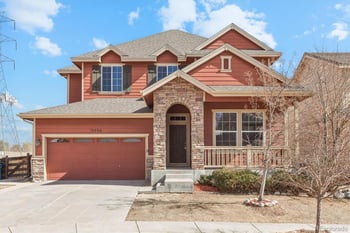
$560,000
Active
5
Beds
4
Baths
3176
Sqft
0.15
Acres
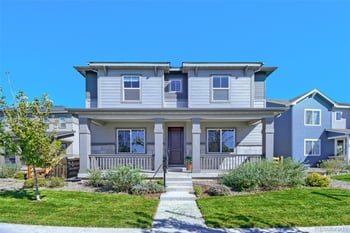
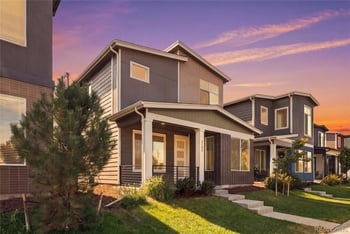
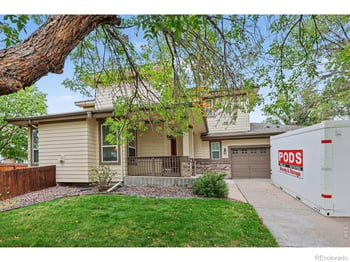
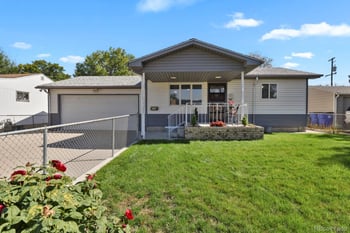
10296 Sedalia St, Commerce City, CO 80022
MLS#: REC3079811
.jpg)



Nationally, close to 4 in 10 buyers say they would choose a newly built home over an existing one at the same price. On the Front Range the reasons hold up: no deferred maintenance, a builder warranty, and a chance to pick finishes, but new construction here carries its own cost structure, from metro district taxes to the wait for a certificate of occupancy. Here is what a Colorado buyer needs to know before choosing new construction over resale.
New construction removes the guesswork on a roof, furnace, water heater, and electrical panel age, all of which sit under builder warranty for at least a year. It also lets a buyer choose the floor plan, finishes, and lot before pouring the foundation, rather than accepting decades-old choices someone else made.
New homes on the Front Range run 10% to 20% above a comparable existing home once lot premiums, structural options, and finish-level upgrades are added to a builder's base price. The gap narrows in growth corridors like Commerce City, Brighton, and Fort Collins, where land is cheaper and more builders compete for the same buyers.
Base price buys the minimum finish level: laminate or builder-grade counters, basic carpet, unfinished basement, and a landscaping allowance that rarely covers a full yard. Every upgrade beyond that, from quartz counters to a finished basement, adds to the price, so the base price on a builder's sign is rarely the walk-out price.
Builders offer rate buydowns, closing cost credits, or design-center credit to move inventory, worth $10,000 to $40,000 on a Front Range production home. These incentives require using the builder's preferred lender in most cases, so it's worth comparing the incentive against a rate quote from an outside lender before committing.
Nearly every new Front Range subdivision sits inside an HOA, a metro district, or both, and those fees pay for the roads, parks, and irrigation the builder installed. Ask for the district's current mill levy and the HOA's annual dues before signing, since both show up on the closing statement and every tax bill after.
A metro district is a local government that issues bonds to build the neighborhood's infrastructure, then repays that debt through a property tax mill levy on every home inside it. Metro district mill levies on new Front Range subdivisions commonly add $1,000 to $3,000 a year on top of standard county property tax, and that levy can run for decades until the bonds are paid off.
Most Colorado production builders cover workmanship for one year, mechanical systems (HVAC, plumbing, electrical) for two years, and structural components for 10 years under a builder warranty backed by a third party. Read the warranty document before closing, since coverage terms and exclusions vary by builder.
A home already under construction closes in 60 to 120 days depending on how far along it is; a home ordered from the ground up on the Front Range takes 6 to 12 months from contract to closing. Supply and labor timelines shift that window, so a builder's estimated completion date is a target, not a fixed date a buyer's moving plan should depend on.
Yes, and in most cases it costs the buyer nothing, because the builder's on-site sales representative works for the builder, not the buyer. A buyer's agent reviews the purchase contract, the upgrade pricing, and the warranty terms, and most builders require the agent to be registered on the buyer's first visit to the model home. See why a buyer's agent matters for new construction and the benefits of buying new construction in Colorado.
Current energy code requires tighter building envelopes, better window ratings, and higher-efficiency furnaces than homes built even 10 years ago, which matters in a climate with 300 days of sun, wide day-to-night temperature swings, and cold overnight lows at altitude. Ask whether the home includes solar-ready wiring and check for available Xcel Energy rebate programs on efficient HVAC and water heater upgrades.
A pre-drywall inspection catches framing and mechanical issues before walls close them in, and a final inspection before closing checks grading, drainage away from the foundation, and every fixture the builder installed. New does not mean defect-free; a third-party inspector working for the buyer, not the builder, catches issues the builder's own final walkthrough misses.
Builders on the Front Range use a soils report to set the foundation type, post-tension slabs or structural basements are common where bentonite clay expands and contracts with moisture. Ask for the lot's soils report and confirm the builder followed its foundation recommendation, since foundation movement from clay soil is one of the most common Colorado structural claims after closing.
Base price on a production home is rarely negotiable, but closing cost credits, design-center allowances, and the lot premium are open to negotiation in most cases, especially near the end of a builder's fiscal quarter. A buyer's agent who tracks builder pricing across a subdivision knows when a builder is motivated to move a specific lot.
A production builder offers a set list of floor plans across a subdivision with limited structural changes; a custom builder builds one home on a lot the buyer already owns or is buying, with full control over the design. Custom builds cost more and take longer, but remove the floor-plan compromises that come with a production builder's catalog.
Active new construction corridors include Commerce City, Brighton, Castle Rock, Parker, Lone Tree, Fort Collins, and Colorado Springs, where available land keeps lot premiums lower than closer-in Denver neighborhoods. Compare current inventory at new construction homes by area.
The Kenna Real Estate Group represents buyers at Front Range builder communities at no extra cost, reviewing contracts, upgrade pricing, and metro district disclosures before a signature goes on anything. Call or text 303-955-4220. A live person answers. Not a robot, not a phone tree. Compare new construction against resale inventory at search every home for sale in Colorado.
Questions about any home in Colorado? Call or text 303-955-4220. A live person answers.
Yes, new construction on the Front Range runs 10% to 20% above a comparable existing home once lot premiums and upgrades are added to the builder's base price.
It is a property tax that repays the bonds a metro district issued to build a new subdivision's roads and infrastructure, adding $1,000 to $3,000 a year on many Front Range new-build homes.
In most cases no; the builder pays the buyer's agent commission, and the agent's fee does not add to the purchase price.
Most Colorado production builders cover one year of workmanship, two years of mechanical systems, and 10 years of structural components, backed by a third-party warranty program.
New construction still sits on the same expansive clay soil; builders use a soils report to choose a foundation type suited to that lot, which lowers but does not eliminate the risk.
Base price is rarely negotiable, but closing cost credits, design-center allowances, and lot premiums are open to negotiation in most cases, especially near the end of a builder's fiscal quarter.
A home ordered from the ground up takes 6 to 12 months from contract to closing; a home already under construction closes in 60 to 120 days.
Grading and drainage away from the foundation, every installed fixture, and the results of an independent inspection separate from the builder's own final walkthrough.