.jpg)


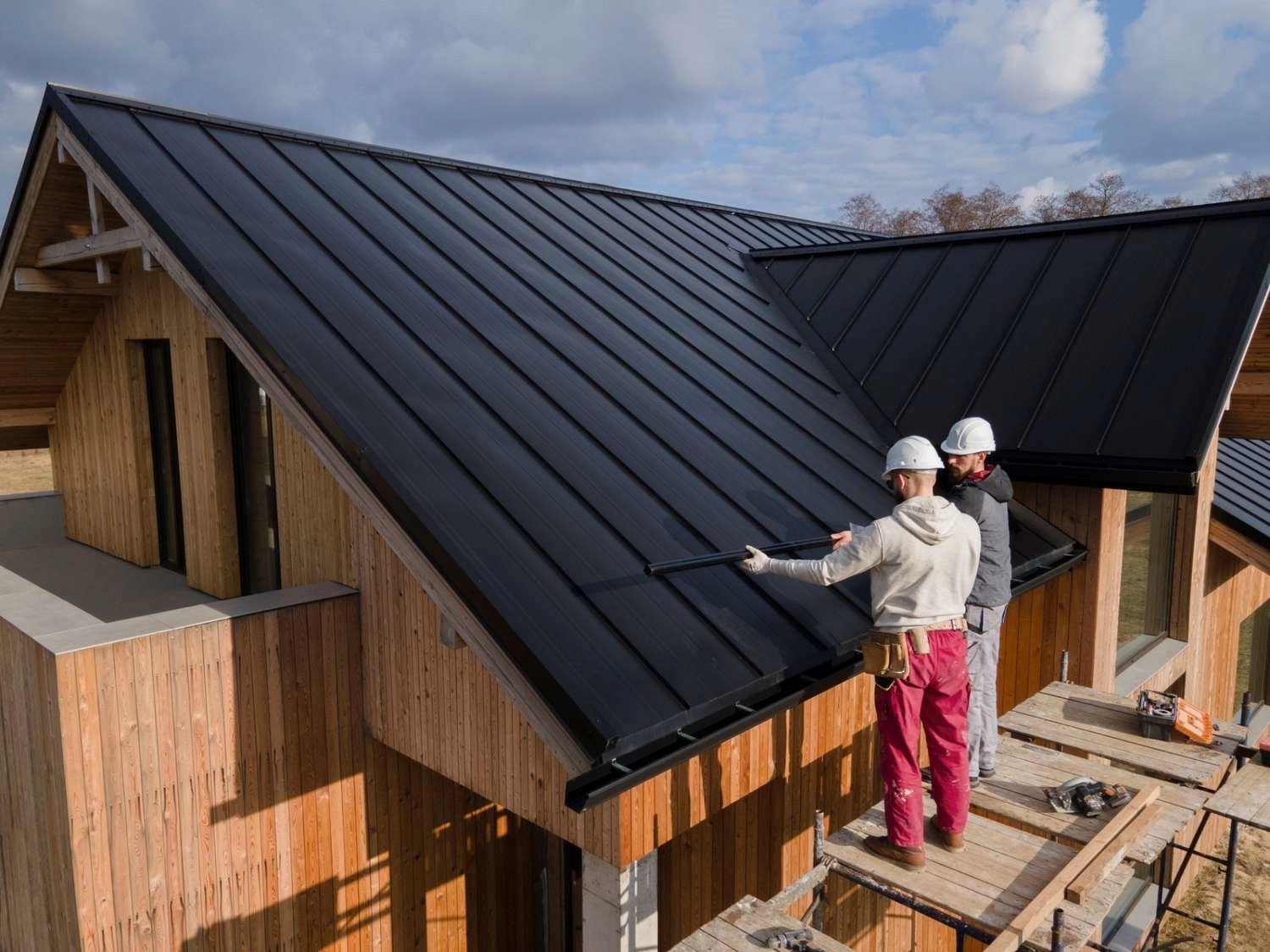
Colorado homeowners trust a roofing and basement contractor when the contractor can show a local license or registration, current insurance, a written inspection with photos, and a warranty that names the exact scope of work. Roof and basement problems on the Front Range are commonly connected, so the strongest contractors treat both as one system.
Why Colorado Roofs and Basements Fail Together
Front Range soil is largely expansive bentonite clay. It swells when wet and shrinks when dry, which moves foundations and opens basement cracks over a normal Colorado wet spring and dry summer. The same storms that stress a roof with hail and wind drive water toward a foundation that has already shifted, so a roofer who ignores drainage and a basement contractor who ignores the roof both miss half the problem.
Freeze-thaw cycling adds a second layer of stress. Water gets into small cracks in shingles, flashing, or foundation walls, freezes overnight, expands, and widens the crack. Denver averages well over 100 freeze-thaw cycles a year, more at higher elevations in Jefferson and Douglas counties.
Is Roofing Licensed by the State of Colorado
Colorado does not run a statewide contractor license for roofers. Licensing and registration happen at the city or county level instead. Denver, Aurora, Lakewood, Colorado Springs, and most Front Range cities require a contractor license or registration before they will issue a roofing permit, and unincorporated Jefferson, Douglas, Arapahoe, and Adams counties license through their own building departments. Ask which jurisdiction the contractor is licensed in and confirm it matches where your home sits.
Basement and Crawlspace Risks Specific to the Front Range
Radon is common across Colorado, including Denver metro, and a basement contractor should be able to talk through mitigation, not just waterproofing. Sump pumps and interior drain systems matter more here than in flatter, sandier soil regions because clay drains slowly and pushes water sideways into foundation walls instead of straight down.
- Foundation cracks: hairline cracks under 1/8 inch are common and commonly cosmetic; anything wider, stair-stepped, or actively leaking needs a structural opinion.
- Efflorescence: the white mineral residue on basement walls signals moisture moving through concrete, even without a visible leak.
- Sump pump age: most units last 7 to 10 years; a battery backup matters during a summer hailstorm that also knocks out power.
- Grading: the ground should slope away from the foundation for at least 6 feet; reversed grading is one of the most common causes of a wet Front Range basement.
What a Legitimate Inspection Includes
A trustworthy roofing and basement inspection produces dated photos, a written scope of work, and a specific explanation of what is cosmetic versus what needs repair now. Ask the contractor to show you the damage on the roof or in the basement directly, not just describe it. A company that pushes a same-day signature without letting you compare bids is a warning sign, not a bargain.
National companies that specialize in combining roof and basement inspections, such as A&M Home Services, which publishes a combined roofing and basement inspection checklist, are one example of the kind of paired checklist to ask a Colorado contractor to match. You are free to use any provider licensed to work in your city or county.
Questions to Ask Before You Hire
A short list of direct questions separates a licensed, insured contractor from a storm-chasing crew working out of a truck. Ask each one before you sign anything.
- Which city or county are you licensed in, and can you show proof? A license valid in Colorado Springs does not automatically transfer to Denver.
- What is your general liability and workers' compensation coverage? Ask for the certificate directly from the insurer, not a photo of a document.
- Who pulls the permit, and whose name is on it? The permit should be in the contractor's name or your name, never left blank.
- What does the warranty cover, and for how long? Material warranties from the manufacturer and labor warranties from the contractor are two separate things.
- Can I see three recent local addresses you have worked on? A Front Range contractor with real local references can commonly give you a street name the same day.
Preventive Maintenance That Protects Both Systems
A short annual routine catches most Colorado roof and basement problems before they become an insurance claim. Walk the roofline from the ground each spring and after any hailstorm, checking for missing granules in the gutter runoff and dented flashing. Check the basement for new cracks, musty smells, or damp carpet edges after the spring runoff and after a heavy summer storm. Clear gutters and downspouts twice a year so runoff moves away from the foundation instead of pooling against it.
Keep dated photos of both the roof and the basement every year. If you ever file an insurance claim or list the home for sale, a documented history is worth more than a verbal assurance that everything has always been fine.
Cost Ranges for Roof and Basement Work on the Front Range
| Work | Typical Front Range Cost |
|---|---|
| Asphalt shingle roof replacement (2,000 sq ft) | $12,000 to $22,000 |
| Class 4 impact-rated shingle upgrade | Add $1,500 to $4,000 |
| Interior basement waterproofing with drain system | $5,000 to $15,000 |
| Exterior foundation waterproofing (per linear foot) | $150 to $300 |
| Radon mitigation system | $900 to $2,500 |
Insurance, Warranties and Colorado's Deductible Law
Colorado law (HB 13-1290) prohibits a roofing contractor from advertising that it will pay, waive, or rebate your insurance deductible. If a contractor promises to cover your deductible before an adjuster has even inspected the roof, that is a legal red flag, not a perk. Ask every roofer and basement contractor for proof of general liability insurance and workers' compensation, and get the warranty terms, including labor coverage, in writing before you sign.
Basement moisture problems that go untreated can lead to mold. The CDC's guidance on mold and health is a useful reference if you are deciding how urgently to act on a damp basement.
How Roof and Basement Condition Affects a Colorado Home Sale
A roof past its expected life or a basement with active moisture is one of the most common items a Colorado buyer's inspector flags, and it regularly turns into an inspection objection that delays or reduces an offer. Addressing both before you list, or pricing the home to reflect the condition, keeps a sale on schedule. The Kenna Real Estate Group's guide to preparing and adding value before selling walks through which repairs return the most at closing, and a Smart Pricing Report shows how roof and foundation condition should factor into your list price.
HOA and Permit Steps Before Work Starts
Most Front Range HOAs require an architectural review before a roof replacement, even a like-for-like reshingle, and many metro districts add their own drainage rules for exterior foundation work. Pull the permit yourself or confirm your contractor pulls it in your name, and keep the HOA approval letter with your closing documents.
Where to go next
- Preparing and Adding Value Before Selling
- Pricing Your Colorado Home to Sell
- Denver HOA Rules and Fees Guide
- The Roof Report: What Every Colorado Home Buyer Should Inspect Before Closing
- Search every home for sale in Colorado
- Meet the Kenna Real Estate Group agents
Talk to the Kenna Real Estate Group
The Kenna Real Estate Group helps Front Range homeowners weigh a roof or basement repair against its return at sale, from a quick opinion on what an inspector will flag to a full Smart Pricing Report before you list. Call or text 303-955-4220. A live person answers. Not a robot, not a phone tree. Ready to see what's on the market first? Search every home for sale in Colorado.
Homes for sale that match this post
Guides
Questions about any home in Colorado? Call or text 303-955-4220. A live person answers.