New - 3 Hours Ago
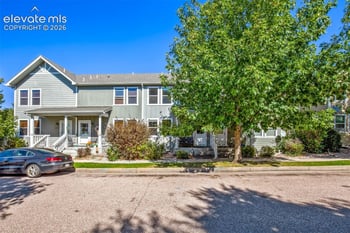
$320,000
Active
4
Beds
4
Baths
1986
Sqft
0.0212
Acres
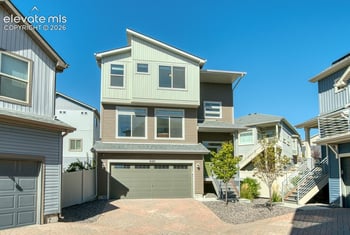
5134 Dovetail Ln, Colorado Springs, CO 80916
MLS#: 2234902
.jpg)



A missing shingle, a slow drip under the sink, or a gutter that overflows in one spot rarely feels urgent. On the Front Range, where weather swings hard between seasons, those small issues compound faster than in milder climates, and the fix that costs $150 today can cost thousands within a year or two of neglect.
Denver metro and Colorado Springs see wide temperature swings, hail season running from spring through September, heavy wet spring snow, and dry winter air with routine freeze-thaw cycles. Each of these stresses a small crack, gap or leak in a different way. A roof with one lifted shingle after a hailstorm has an entry point for water during the next snowmelt; a hairline gap in exterior caulk widens every time the temperature swings 30 degrees in a day, common through fall and spring.
A single missing or cracked shingle lets water reach the roof deck underneath, and once wood sheathing gets wet repeatedly, it weakens, rots and eventually needs replacement, not just a shingle. A homeowner who patches a missing shingle for $150 to $400 right after a hailstorm avoids what can become a $3,000 to $8,000 deck repair, or more, if water damage spreads before anyone notices the stain on the ceiling below.
Clogged gutters do more damage in Colorado than almost anywhere else because standing water in a gutter freezes, expands and can pull the gutter away from the roofline. Worse, blocked gutters back water up under roof shingles during a melt, which is how ice dams form and leak into the attic or ceiling below. Cleaning gutters twice a year, once in fall before the first freeze and once in spring, costs $150 to $300 for most homes and prevents a repair that runs into the thousands.
A door or window that sticks seasonally is a common first visible sign of foundation movement, framing shift, or swelling wood, not just a nuisance. Colorado's dry air and big daily temperature swings also crack and shrink exterior caulk and trim faster than in humid climates, opening small gaps that let water behind siding and trim. Checking and re-caulking exterior trim every one to two years, a $100 to $300 job, keeps water out of a much more expensive repair down the line.
| Issue | Cost to fix early | Cost if ignored 1 to 2 years |
|---|---|---|
| Missing or cracked shingle | $150 to $400 | $3,000 to $8,000 (roof deck or interior water damage) |
| Slow plumbing leak | $100 to $300 | $2,000 to $10,000 (mold, drywall, flooring) |
| Clogged gutters | $150 to $300 | $1,000 to $5,000 (ice dam and fascia damage) |
| Cracked exterior caulk or trim | $100 to $300 | $1,500 to $4,000 (siding and sheathing repair) |
Roof condition, plumbing leaks or water stains, exterior caulking and trim gaps, and HVAC maintenance history are among the most common findings on Front Range home inspection reports. A buyer's inspector documents these issues regardless of how minor they look, and Colorado's inspection objection deadline gives buyers a short, defined window to request repairs or a price adjustment once the report comes back. Sellers who address small items ahead of listing avoid last-minute negotiation during that window.
A pattern of small unfixed issues, a stained ceiling, a sticking door, a gutter pulling away from the fascia, reads to a buyer as a home that has not been cared for, even when the underlying structure is sound. Colorado's seller disclosure form asks about known issues directly, and buyers who see visible deferred maintenance assume there is more they cannot see in most cases, which shows up in lower offers or requests for larger credits. The preparing and adding value before selling guide covers which small fixes matter most to Front Range buyers before a home goes on the market.
For roof-specific repairs, a licensed contractor familiar with Front Range hail damage patterns spots what a homeowner misses without training; for a starting point on what a qualified roofer covers, see this overview from a top roofer in Colorado.
Colorado sits in EPA Zone 1, the highest radon potential category, and most Front Range home purchase contracts include a radon test during inspection. A home with an existing mitigation system in working order reassures a buyer; one with a radon reading above the EPA action level and no system in place is a negotiating point every time. Homes built before 1970 also warrant a sewer scope, a camera run through the main line to check for root intrusion or a collapsed section, since Denver's older clay sewer pipe fails gradually and a small backup left unaddressed can become a full line replacement.
Exterior repairs, a new roof, replacement siding, a repainted trim color, fall under an HOA's architectural review in most Front Range communities in Front Range communities, and skipping that approval can mean a violation notice or a required redo even after the work is finished. City permits apply to larger repairs too; Denver, Aurora and Colorado Springs each require permits for roof replacement and structural work. Checking both before hiring a contractor saves a second round of cost and delay.
The Kenna Real Estate Group helps Front Range homeowners figure out which repairs matter most before a small issue turns into a costly one, and which ones actually move the needle before a sale. Call or text 303-955-4220. A live person answers. Not a robot, not a phone tree. Ready to see what's for sale? Search every home for sale in Colorado.
Questions about any home in Colorado? Call or text 303-955-4220. A live person answers.
Hail season, freeze-thaw cycles and dry-air cracking compound small issues faster here than in milder climates. A $150 to $400 shingle patch can become a $3,000 to $8,000 roof deck repair within a year or two.
Twice a year, once in fall before the first freeze and once in spring, at a cost of roughly $150 to $300, to prevent ice dams and fascia damage that cost far more to repair.
Roof condition, plumbing leaks or water stains, exterior caulking and trim gaps, and HVAC maintenance history are the most common findings on Front Range inspection reports.
Yes. Visible small issues signal to buyers that a home has not been cared for, which leads to lower offers or requests for larger repair credits in many cases during the inspection objection period.
It stands as the first visible sign of foundation movement or framing shift in some homes, not just seasonal swelling, and is worth watching if it appears alongside other warning signs.
A slow faucet drip, a running toilet, a hairline pipe crack in an unheated space, and a slow drain can each escalate into a major leak, freeze break or backup without warning.
Inspect the roof and clean gutters in spring and fall, test plumbing fixtures in summer, winterize sprinklers and check the furnace in fall, and watch for ice dams through winter.
Yes. A single lifted or cracked shingle from hail becomes an entry point for water during the next snowmelt or storm, and unaddressed damage compounds with every subsequent hail season.