.jpg)


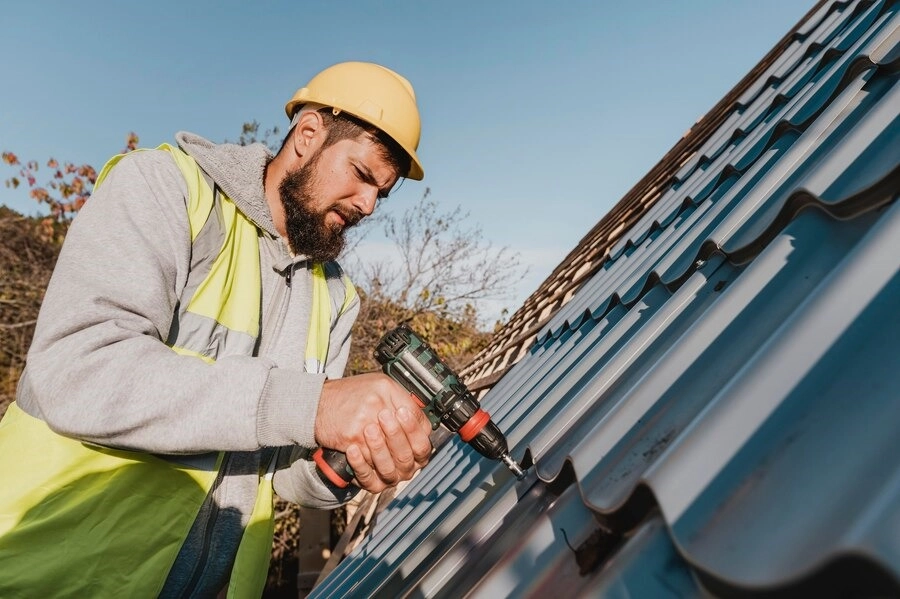
Roof condition is a structural issue and a financial one, not a cosmetic one. A compromised roof lets water into the attic and walls, and getting up on a roof to check it, especially a steep or wet one, carries real fall risk for anyone without professional harness and ladder equipment. On the Front Range, where hail season runs mid-April through mid-September and roofs regularly need a post-storm check, this comes up for homeowners more frequently than in most states.
This guide covers why roof condition and inspection matter for a Colorado home, what makes climbing onto one riskier than it looks, and what a compromised roof does to a home sale.
Why roof condition is a structural issue
A roof is the primary barrier between a home's structure and Colorado weather: hail, wind-driven rain, heavy wet snow and intense UV at 5,280 feet all load the roof deck and shingles directly. A damaged roof lets water reach the sheathing, insulation and eventually the framing, and by the time a leak shows up on a ceiling, the damage underneath has been building for a while in most cases. Addressing roof issues early keeps a small repair from becoming a structural one.
The real hazards of climbing onto a Colorado roof
- Fall risk. Most residential roof falls happen on pitches a homeowner underestimates, and a fall from even one story can cause serious injury. Professional roofers use harnesses, roof anchors and fall-arrest equipment that most homeowners do not own.
- Ice and moisture underfoot. A roof that looks dry can still hold a thin layer of frost or moisture in shaded areas, especially on north-facing slopes, well after the rest of the yard has cleared.
- Hail-damaged surfaces. A roof with recent hail impact can have loosened or cracked shingles that shift underfoot in ways an undamaged roof would not.
- Electrical and structural hazards. Power lines, antenna mounts and soft or rotted decking are easy to miss from the ground and are exactly what a professional inspection is trained to catch.
A homeowner who wants to check for storm damage can do a ground-level and window-level visual check with binoculars: look for missing or displaced shingles, dented gutters and downspouts, and granules collecting in the gutters. Anything beyond that ground-level check is worth handing to a licensed, insured roofer.
Why hail-damaged roofs need a professional look
Hail damage is not always visible from the ground. A professional inspection after a storm can identify bruised or cracked shingles, damaged flashing and compromised seals that a homeowner would not catch, and it produces the documentation most Colorado insurance carriers want before approving a claim. Colorado's Roofing Contractor Full Disclosure Act also bars a roofing company from advertising that it will waive, pay or rebate your insurance deductible, which is worth knowing before signing with a contractor who goes door to door after a storm.
What happens when roof damage goes unaddressed
A cracked or bruised shingle that goes unrepaired lets water reach the underlayment first, then the roof deck, then insulation and framing, over successive storms rather than all at once. What starts as a $600 to $1,800 repair can turn into thousands of dollars in structural and interior repair once water has been tracking into the attic or walls for one or more full seasons. Insurance claim windows also close: most Colorado policies set a deadline for reporting storm damage, commonly one year from the date of loss, so a roof issue found and documented promptly protects both the structure and the claim itself.
How roof pitch changes the risk of DIY work
A roof pitch steeper than about 6:12, a rise of 6 inches for every 12 inches of run, is where most residential fall incidents happen, because standing or walking on that slope without fall-arrest equipment leaves little margin for a slip. Many Front Range homes, especially those with dramatic rooflines designed around a mountain view, exceed that pitch on at least one section. A ground-level check works on any pitch; anything beyond that belongs to a professional roofer with the right harness and anchor system for the specific roof.
Hiring a professional versus doing it yourself
| Task | Reasonable for most homeowners | Better left to a licensed roofer |
|---|---|---|
| Ground-level visual check after a storm | Yes, with binoculars | — |
| Gutter debris check from a ladder on flat, dry ground | Yes, with a stable extension ladder | — |
| Walking the roof surface to inspect shingles | — | Yes, harness and roof anchor equipment needed |
| Documenting hail damage for an insurance claim | — | Yes, for accurate documentation carriers accept |
| Any repair involving flashing, valleys or structural decking | — | Yes, licensed and insured contractor |
Documenting roof damage for a Colorado insurance claim
Many Colorado carriers now use a separate percentage-based wind and hail deductible, commonly 1 to 2 percent of the dwelling coverage amount, instead of a flat dollar deductible, which makes accurate documentation worth more at claim time than it used to be. Dated photos from a professional inspection, showing bruised or cracked shingles and any related flashing damage, give the adjuster a clear basis for the claim. Some policies have also moved toward actual cash value or cosmetic-damage exclusions on certain roof types, so read the specific policy language, or ask your agent to walk through it, before assuming a hail claim pays for full replacement.
What to check before hiring a roofer after a storm
- Colorado license and local address. Confirm the contractor is licensed to work in the specific city or county and has a permanent local address, not just a truck that showed up after the storm.
- Proof of insurance. Ask for a certificate of liability and workers' compensation insurance directly from the contractor, not a verbal assurance.
- No deductible-waiver offers. A contractor who offers to pay, waive or rebate your insurance deductible is advertising something Colorado's Roofing Contractor Full Disclosure Act does not allow.
- A written contract with material specifics. The shingle brand, class rating and warranty terms should be in writing before any deposit changes hands.
What a compromised roof does to a Colorado home sale
Roof condition is one of the first items a buyer's inspector documents, and unresolved hail damage or deferred repairs are a common source of a Front Range inspection objection. Addressing roof issues, and keeping the documentation from a professional inspection, before listing prevents that conversation from happening during negotiations instead of before them. A Preparing and Adding Value review from the Kenna Real Estate Group covers whether a roof repair or replacement is worth doing before your specific sale.
Where to go next
- What every Colorado home buyer should inspect before closing
- Colorado hail and roof costs compared
- Roof replacement in Colorado: costs, lifespan and materials
- Preparing and adding value before selling a Colorado home
- Get a Smart Pricing Report for your Colorado home
- Search every home for sale in Colorado
Talk to the Kenna Real Estate Group
The Kenna Real Estate Group can point a Front Range homeowner to a licensed roofer for a professional inspection and explain what roof documentation buyers expect before a sale. Call or text 303-955-4220. A live person answers. Not a robot, not a phone tree. Search every home for sale in Colorado.
Homes for sale that match this post
Guides
Questions about any home in Colorado? Call or text 303-955-4220. A live person answers.