.jpg)


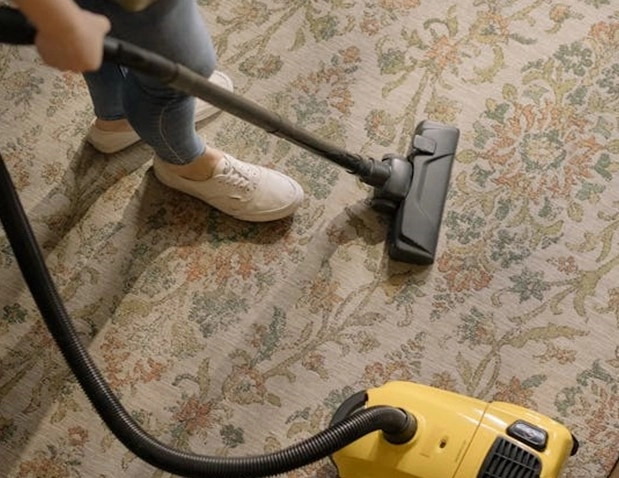
Natural fiber rugs made from wool, jute, sisal or seagrass suit Colorado's climate better than most synthetic options, because they handle the state's dry winter air and near-300 days of sun without the static buildup and rapid fading that synthetic fibers show at altitude. The right fiber choice depends on the room, the amount of direct sun it gets, and whether pets or heavy foot traffic are part of the picture.
Why do natural fiber rugs suit Colorado homes?
Wool, jute, sisal and seagrass are breathable, which matters in a state where indoor winter humidity commonly drops to 10% to 25%. Synthetic rugs can build up static in that dry air and show wear differently than natural fibers, while wool in particular holds up well through repeated Front Range winters.
What are the main types of natural fiber rugs?
Wool is soft and insulating, which fits bedrooms and living rooms in Denver-area homes through cold winters. Jute has a casual, textured look suited to relaxed spaces, sisal is tough and handles high-traffic areas like entryways and hallways, and seagrass resists moisture, which helps in a mudroom or entry during Colorado's spring mud season.
How does Colorado's dry winter air affect a rug?
Low winter humidity dries out rug fibers, which can make natural fibers like jute and sisal more brittle if the room gets no moisture at all. A room humidifier during the driest winter months protects rug fibers the same way it protects wood furniture and flooring.
How does 300 days of sun cause rug fading?
A rug in a sunlit room fades unevenly if it sits in a fixed spot under a south- or west-facing window for months at a time. Rotating the rug a quarter turn every few months evens out the fading, and natural fibers show fading less visibly than deeply dyed synthetic fibers.
Which rug fibers resist Colorado's UV exposure best?
Wool holds its color longer under UV exposure than most synthetic fibers, which is one reason it is a common choice for sunlit Front Range living rooms. For a full look at wool as a material, the International Wool Textile Organisation covers how it performs against sun and wear compared with other fibers.
How do you clean a natural fiber rug in a Front Range home?
Vacuum regularly and blot spills immediately, since jute and sisal absorb liquid quickly and can stain or mildew if left wet. For a deeper clean, a rug specialist familiar with natural fibers, similar to the guidance from these rug cleaning services, avoids the over-wetting that can warp natural fiber backing.
Do natural fiber rugs work well with radiant floor heat, common in newer Colorado homes?
Natural fiber rugs pair well with radiant floor heat since they are breathable and do not trap heat the way some synthetic backings do, though very thick wool rugs can insulate enough to reduce the heat you feel in the room. Check your radiant heat manufacturer's guidance on rug thickness if the system is new.
What rug size and placement works for open-concept Denver-area homes?
In the open floor plans common in newer Front Range construction, a rug large enough for at least the front legs of every seating piece to rest on it reads as intentional rather than undersized. For several types of natural fibre rugs, sizing guidance from most retailers starts with the seating area's total footprint, not just the coffee table.
Do rugs affect a home's resale value or listing photos?
A worn, stained or mismatched rug stands out in listing photos more than almost any other single furnishing, since it sits at the center of most room shots. A fresh, neutral natural fiber rug is one of the lower-cost updates covered in our guide to preparing and adding value before selling.
How do you protect a rug from wildfire smoke and dust seasons?
Colorado's summer wildfire smoke and spring dust events settle particulate into rug fibers, especially near entry doors. Vacuuming more frequently during smoke advisories and using a walk-off mat at every exterior door keeps most of that particulate out of the main rug.
Are natural fiber rugs pet- and static-friendly in dry Colorado air?
Wool resists static better than most synthetic fibers, which matters in Colorado's dry winters when static shocks from carpet and rugs are common. Wool and sisal also hold up well to pet claws compared with looped synthetic weaves, though any natural fiber still needs regular vacuuming around pet traffic areas.
| Fiber | Best room | Colorado climate fit |
|---|---|---|
| Wool | Bedrooms, living rooms | Resists static and UV fading well |
| Jute | Casual living spaces | Needs humidity to stay flexible |
| Sisal | Entryways, hallways | Durable but can grow brittle in very dry air |
| Seagrass | Mudrooms, entries | Handles spring mud season moisture |
Do condo associations require rugs over hard flooring in Colorado?
Many Front Range condo and townhome associations set a rug-coverage rule for upper-floor units to cut noise transfer to the unit below, commonly requiring an area rug or pad under a large share, commonly 50% to 80%, of the hard flooring in living areas. Check your specific association's rules before installing hard flooring without rugs in an upper-floor unit, since noise complaints from a downstairs neighbor can trigger an HOA violation.
How does buying a rug factor into downsizing to a smaller Front Range home?
Rugs sized for a larger home's rooms rarely fit a smaller floor plan without trimming, binding or replacing them, which is an easy detail to overlook during a downsizing move. Measure the new home's rooms against your current rugs before the move, and see our Denver metro downsizing guide for a full room-by-room planning checklist.
What is the typical lifespan of a natural fiber rug in a Front Range home?
A well-maintained wool rug commonly lasts 15 to 25 years even in Colorado's dry climate, while jute and sisal rugs in high-traffic spots commonly need replacing every 5 to 10 years. Rotating the rug periodically, vacuuming regularly and adding winter humidity all extend that lifespan on the higher end of each range.
What size rug fits a typical Front Range living room?
Most living rooms in Denver-metro homes take an 8-by-10 or 9-by-12 rug under the main seating group, while a smaller den or reading nook works better with a 5-by-7 or 6-by-9. Measure the seating arrangement first, then size the rug to that footprint rather than to the room's total square footage, since an undersized rug is one of the most common mistakes in an otherwise well-decorated room.
Where to go next
- Preparing and adding value before selling
- Denver metro downsizing guide
- How stain-resistant washable rugs enhance soft plush bedroom rugs
- Essential tips for maintaining the longevity of your rugs
- Search homes for sale in Littleton
- Search every home for sale in Colorado
Talk to the Kenna Real Estate Group
Small furnishing choices like the right rug make a real difference in how a Front Range home photographs and shows, whether you are settling into a new place or getting one ready to list. Call or text 303-955-4220. A live person answers. Not a robot, not a phone tree. Or search every home for sale in Colorado to see how staged listings compare in your target neighborhood.
Homes for sale that match this post
- Townhome: guide
- Condo: guide
- HOA Rules and Fees Guide in Denver
- Downsizing: guide
- All homes for sale in Denver
Guides
Questions about any home in Colorado? Call or text 303-955-4220. A live person answers.