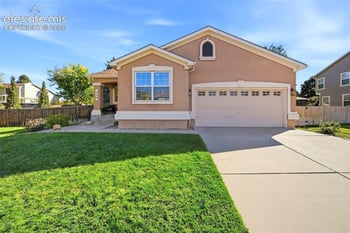
New - 3 Hours Ago

$535,000
Active
3
Beds
3
Baths
3216
Sqft
0.2257
Acres
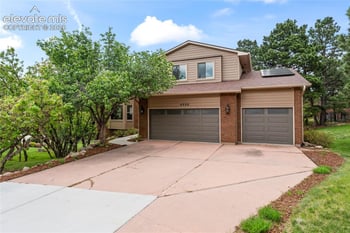
4165 Golf Club Dr, Colorado Springs, CO 80922
MLS#: 6710356
.jpg)



Colorado real estate investors use comps — recent sales of similar nearby homes — to answer one question before they write an offer: what will this property actually sell or rent for. A comp-based number, not a listing price or a rule of thumb, is what keeps a Front Range deal from overpaying in a market that moves fast between Denver, Aurora and Colorado Springs.
This guide covers where Colorado investors pull comps, how many to use, which adjustments matter at altitude, and how comps change depending on whether the plan is a rental hold or a flip. If the plan is buying, our guide to making an offer on a Colorado home covers how comps translate into an actual offer price.
Comps, short for comparables, are closed sales of homes near the subject property that share its size, age, condition and lot type. Investors and appraisers pull three to six comps, adjust each one for differences from the subject, and land on a value range instead of a single guessed number.
A licensed agent with MLS access through REcolorado (the Denver metro MLS) or Pikes Peak MLS in Colorado Springs pulls the most accurate comps, because MLS data includes concession details, days on market and the exact sale terms that public sites miss. Public sites like Zillow show a Zestimate built from county assessor data and automated valuation models, and those estimates run wider off actual sale price on unique properties, new construction and homes with a finished basement.
Pull comps from the last 90 days first. If fewer than three closed sales exist within a half mile in that window, extend to six months and add a time adjustment for each month between the comp's closing and today, based on the neighborhood's recent price trend. A comp older than twelve months needs a larger adjustment and carries less weight than an active or pending listing in the same block.
Three comps is the floor; five to six gives a tighter range. Use a mix: at least one comp that sold below the subject's estimated value and one that sold above it, so the adjusted range brackets the true number instead of anchoring to a single optimistic sale.
Front Range appraisals carry line items that do not show up in flatter, lower-elevation markets:
| Adjustment | Why it applies in Colorado |
|---|---|
| Finished basement | Denver metro homes commonly have basements; a finished basement with egress windows adds bedroom-equivalent value, an unfinished one does not |
| Roof age and class rating | hail season runs from spring through September on the Front Range, so a roof replaced after a hail claim comps differently than an original 20-year-old roof |
| HOA and metro district dues | a comp with a $60 monthly HOA is not equivalent to a subject with a $180 monthly metro district mill levy plus HOA |
| Lot orientation and xeriscape | low-water landscaping changes buyer appeal and maintenance cost differently than a Colorado home still carrying a full irrigated lawn |
| View and elevation | a mountain view or south-facing lot for solar exposure adds a premium that a flat comp sheet will not capture on its own |
At 5,280 feet, UV exposure ages roofing, siding and exterior paint faster than at sea level, so exterior condition carries more weight in a Colorado comp adjustment than in a coastal market. Hail season (spring through September) means a roof's age and whether it carries Class 4 impact-resistant shingles change both the comp adjustment and the buyer's insurance quote, which affects what they can actually offer.
A flip comps against finished retail sales — what a buyer will pay for the home fully renovated, minus renovation cost and holding costs, to land on a maximum offer. A rental purchase comps against both sale price and market rent: pull rental comps from similar units on the same MLS rental feed or from property managers, then run the numbers against a Denver metro cap rate.
Single-family rentals in the Denver metro trade at cap rates in the 4% to 6% range as of this year, with duplexes and small multifamily running slightly higher because purchase price per unit drops. Colorado Springs and Pueblo post higher cap rates than Denver proper, reflecting lower purchase prices relative to rent.
Rural and mountain-adjacent Colorado properties (parts of the Front Range foothills, acreage outside Castle Rock or Parker) lack close comps in most cases. Widen the radius to two or three miles, weight land value and improvement value separately using county assessor land tables, and lean on a licensed appraiser familiar with rural Colorado comps rather than an automated estimate, which performs worse on acreage and horse properties.
Two homes that comp identically on square footage and finish can carry very different carrying costs once Colorado metro district mill levies are added to the property tax bill. Ask for the metro district disclosure and total mill levy before finalizing an offer built from raw comps, since a $250 monthly difference in dues and district tax changes the real return by thousands a year.
Colorado reassesses property for tax purposes every odd year, so the assessed value on the county site can run well behind current market comps in a fast-appreciating year and closer to market in a flat one. Use closed sale comps for pricing decisions and treat the assessed value only as a tax estimate, not a value opinion.
The Kenna Real Estate Group pulls MLS comps for investors buying, selling or pricing a Front Range rental or flip, and builds a Smart Pricing Report on request for a specific property. Call or text 303-955-4220. A live person answers. Not a robot, not a phone tree. Or search every home for sale in Colorado to see current comps in your target area.
Questions about any home in Colorado? Call or text 303-955-4220. A live person answers.
A recently closed sale of a similar nearby home, adjusted for differences in size, condition, age and location, used to estimate what a property will sell or rent for.
Three at minimum, five to six for a tighter range, mixing at least one comp above and one below the subject's estimated value.
REcolorado, the Denver metro MLS, which includes concession details and sale terms that public estimate sites do not show. Colorado Springs agents use Pikes Peak MLS.
Within 90 days if possible. Comps older than six months need a time adjustment based on the neighborhood's recent price trend, and anything over a year carries little weight.
Yes. A finished basement with egress windows adds bedroom-equivalent value; an unfinished basement of the same square footage does not comp the same way.
Single-family rentals trade at 4% to 6% cap rates in the Denver metro as of this year, with Colorado Springs and Pueblo running higher because purchase prices are lower relative to rent.
Yes. Two comparable homes can carry very different total carrying costs once a metro district mill levy is added to the property tax bill, which changes the real return on a comp-based offer.
No. Colorado reassesses property every odd year, so the assessed value can run behind current market comps in a fast-appreciating stretch. Use closed sale comps for pricing, not the assessed value.