.jpg)


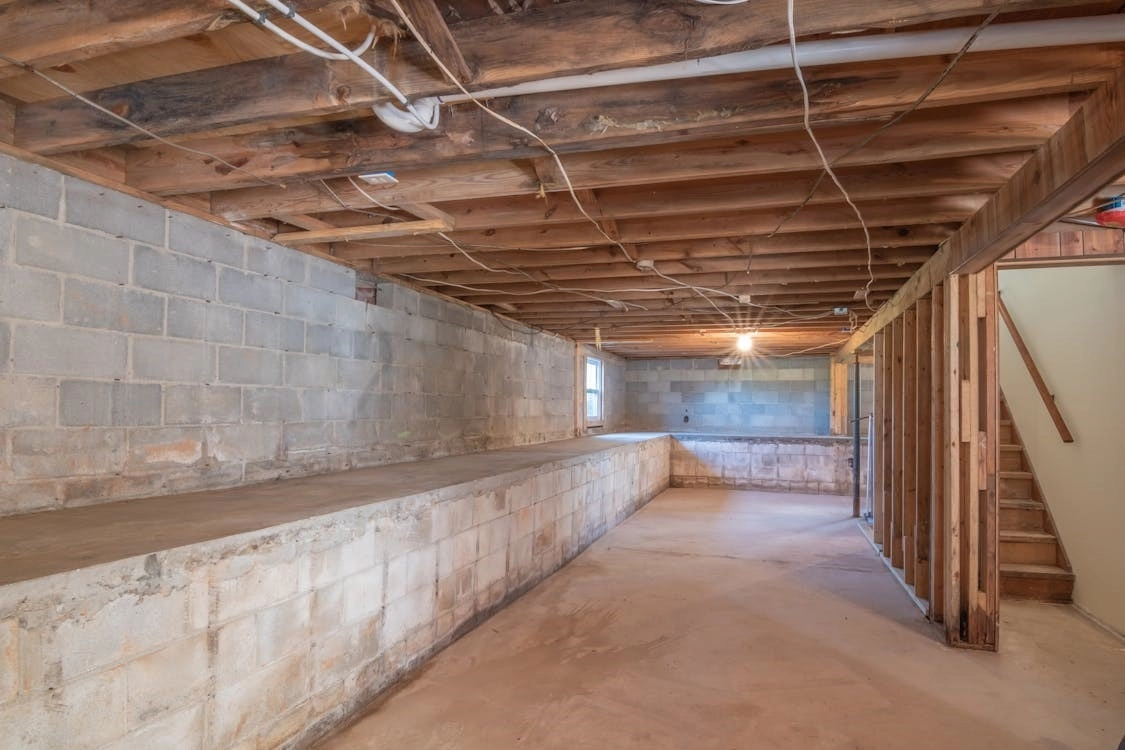
Colorado basements take on water for a reason most homeowners in other states never deal with: expansive, bentonite-heavy clay soil that swells when it's wet and shrinks when it dries, combined with a hard spring snowmelt and repeated freeze-thaw cycling through the foundation walls. Waterproofing a basement here protects the foundation itself, not just the carpet.
This guide covers why Colorado basements are more exposed than basements in most states, what waterproofing options cost in the Denver metro, and what shows up on a home inspection or a buyer's radar if it's skipped.
Why Colorado basements are more exposed than most
- Expansive clay soils. Much of the Front Range sits on bentonite-heavy clay that expands when saturated and contracts when dry, putting repeated pressure on foundation walls and creating the cracks water finds its way through.
- Spring snowmelt. A heavy late-season snow that melts fast sends a large volume of water toward the foundation in a short window, faster in many cases than poor grading or a clogged drain can handle.
- Freeze-thaw cycling. Front Range temperatures can swing 30 to 40 degrees in a day. Water that gets into a foundation crack freezes, expands, and widens that crack every cycle through the winter.
- Radon. Colorado sits largely in the EPA's highest radon potential zone, and radon enters a home through the same foundation cracks and gaps that let water in, so a waterproofing project is a reasonable time to test or install a mitigation system at the same time.
Interior versus exterior waterproofing
Interior systems manage water that has already entered, with a drain tile along the interior footing and a sump pump that discharges it away from the foundation. Exterior systems stop water before it reaches the wall, with a membrane, exterior drain tile, and regraded soil sloping away from the house. Exterior work costs more because it requires excavation, but it addresses the source rather than the symptom; interior systems cost less and work well when excavation around the home is not practical.
Should a Colorado basement always be waterproofed before finishing it?
Yes, address the water issue first. Finishing a basement over an unresolved moisture problem traps that moisture behind new drywall and flooring, where it does more damage before anyone notices it. Grading the soil to slope away from the foundation and extending downspouts at least 4 to 6 feet from the house are the least expensive first steps, and they reduce or eliminate a minor moisture issue in many cases before a full interior or exterior system is ever needed. Test for those basics before assuming a full waterproofing system is required.
What basement waterproofing costs in the Denver metro
| Method | Typical Denver metro cost | What it addresses | Best fit |
|---|---|---|---|
| Interior drain tile and sump pump | $3,500 to $10,000 | Water that has already entered along the footing | Homes where exterior excavation is impractical |
| Exterior membrane and drain tile | $10,000 to $25,000+ | Stops water before it reaches the foundation wall | Homes with recurring wall seepage or visible cracking |
| Foundation crack injection | $400 to $1,500 per crack | Individual active cracks | Isolated leaks in an otherwise dry basement |
| Grading and downspout extension | $500 to $3,000 | Surface water pooling near the foundation | First step before any interior or exterior system |
Does moisture cause mold in a Colorado basement?
Yes, and the EPA's guidance on moisture and mold growth applies directly to a Colorado basement: mold needs a moisture source and organic material, both of which most finished or storage basements have. Addressing the water source with basement waterproofing, you are free to use any provider, is the first step; drying out an already-moldy basement without fixing the water intrusion just delays the same problem.
Early warning signs a Colorado basement needs attention
- Efflorescence: a white, chalky mineral deposit on foundation walls, left behind as water evaporates through concrete.
- A musty smell that returns after airing the space out, a sign of moisture cycling in wall cavities or under flooring.
- Hairline cracks that widen season to season, a common sign of the expansive clay soil pushing and pulling on the foundation.
- Peeling paint or bubbling drywall near the floor line, where moisture wicks up through the slab or foundation wall.
- A sump pump that runs constantly during spring snowmelt, a sign the system is working at its limit rather than with room to spare.
Who handles drainage: the homeowner, the HOA or the metro district?
Water that pools against an individual foundation, from poor grading or a disconnected downspout, is the homeowner's responsibility to fix. Water backing up from a neighborhood storm drain, retention pond or street-level flooding is a metro district or municipal stormwater issue in most cases, common across Front Range communities built with their own metro district for infrastructure. If a basement floods during a heavy storm and the water clearly originates outside the property line, contact the metro district or city stormwater department in addition to addressing the foundation itself.
Sump pump backup power in Colorado
Front Range storms that bring the heaviest rain and snowmelt are frequently the same storms that knock out power, which is exactly when a sump pump needs to keep running. A battery or water-powered backup sump pump keeps the system working through a power outage, and it is a relatively low-cost addition to an existing sump pump setup. Ask a waterproofing contractor to quote backup power alongside any new installation rather than as an afterthought.
Radon and basement waterproofing, addressed together
Colorado sits largely inside the EPA's highest radon potential zone, and radon gas enters a home through the same foundation cracks, sump pits and gaps that let water in. A radon test costs a small fraction of a full mitigation system and takes only a few days to complete, so it is worth doing at the same time as any waterproofing project, before new drain tile or a sealed sump lid changes the airflow pattern in the basement. If the test comes back elevated, a mitigation system with a sealed sump pit and a vent pipe to the roofline is a standard, well-understood fix in Colorado homes.
Does a wet basement affect a Colorado home sale?
A basement with visible water staining, efflorescence, or a musty smell is one of the fastest ways to trigger a full inspection objection in a Colorado transaction, and buyers frequently ask for a professional evaluation before closing. Fixing the water issue before listing, or disclosing it clearly with a completed repair, keeps the deal from stalling at the inspection stage. A Preparing and Adding Value review from the Kenna Real Estate Group covers whether basement work is worth doing before your specific sale.
Where to go next
- What Colorado homebuyers want in a finished basement
- Converting basements to mother-in-law suites in Colorado
- ADU vs. basement apartment for Denver investors
- Preparing and adding value before selling a Colorado home
- Get a Smart Pricing Report for your Colorado home
- Search every home for sale in Colorado
Talk to the Kenna Real Estate Group
The Kenna Real Estate Group can tell a Front Range homeowner whether basement waterproofing is worth doing before a sale and what buyers in your area expect to see. Call or text 303-955-4220. A live person answers. Not a robot, not a phone tree. Search every home for sale in Colorado.
Homes for sale that match this post
Guides
Questions about any home in Colorado? Call or text 303-955-4220. A live person answers.