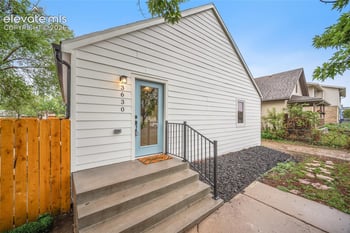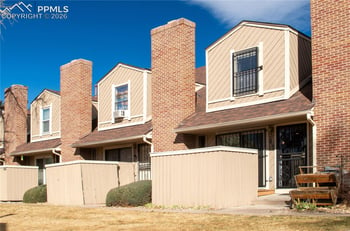
$345,000
Pending
3
Beds
2
Baths
1538
Sqft
0.0202
Acres
3300 W Florida Ave #48, Denver, CO 80219
MLS#: 9397860
.jpg)



A Colorado home sells between November and March when the walk is cleared inside Denver's 24-hour rule, the exterior lights are on a timer before the 4:35 PM December sunset, the roof is clear of ice, and the listing photos show the house on a blue-sky day after fresh snow. Winter buyers are fewer and more serious: a January showing is a relocation with a start date or a household that has already sold, and the fewest new listings of the year hit the MLS in December and January, so a clean winter listing has less competition than the same house in June.
The Kenna Real Estate Group at Keller Williams DTC lists homes through every Front Range winter, from Fort Collins to Colorado Springs, and the eight items below are the winter version of the preparing and adding value before selling checklist. Each one costs under $500 and each one shows up in the first ten seconds at the curb.
Denver requires residents to clear the full width of the public sidewalk in front of the house within 24 hours after snow stops falling; a warning comes first and a fine follows. Most Front Range cities enforce the same 24-hour window. A listed home needs a tighter standard: shoveled before the first showing of the day, every day, driveway included, with a path to the front door wide enough for two people side by side.
Denver's sun sets at 4:35 PM in early December and before 5 PM until mid-January, so every after-work showing happens in the dark. The house has to read from the street at 5:30 PM.
Shoot exteriors within 48 hours of a fresh snowfall on a blue-sky day, between 10 AM and 2 PM when the sun is high enough to light the front. Fresh snow on a Colorado bluebird day photographs better than a brown November lawn; gray slush a week later photographs worse than either. Listing in early November before the first storm: shoot the exterior now and reshoot the front after the first clean snow. Add a twilight exterior with every light on as photo two or three.
A summer photo of the yard, gardens or patio from the seller's own phone goes in the listing as a labeled supplemental image when it shows the same house as it stands. Buyers relocating from Texas or California in January want to see the July backyard, and the marketing your Colorado home page shows how the photo order is built.
A Front Range yard in January is dormant grass and bare branches unless something green is planted or placed. Two frost-proof containers flanking the front door, fiberglass or thick resin rather than terracotta which cracks in freeze-thaw, filled with cut spruce tips, red-twig dogwood stems and pine cones from a local nursery, cost $80 to $150 the pair and last until March. In the beds, dwarf blue spruce, mugo pine, upright juniper and Karl Foerster feather reed grass hold shape and color under snow; planting them in fall costs $200 to $500 and reads as a finished landscape in the photos.
Trim anything dead or hanging over the walk, rake the last of the leaves out of the beds, and put down a fresh two inches of dark mulch on the beds that face the street. Mulch on a sunny January day looks like spring. The eight curb appeal fixes for Front Range sellers post ranks the year-round items by return.
Set the thermostat to 70 during showing hours and leave it there; a 62-degree house on a 20-degree day tells the buyer the furnace struggles. Turn the gas fireplace on before every showing. Put a boot tray and a heavy mat inside the door and a basket of shoe covers next to it, so buyers keep their boots on through the entry and the floors stay dry. Replace the entry light bulb with the brightest warm bulb the fixture rates. A fresh coat of paint on the front door in a deep color, $50 in paint and an afternoon, is the single highest-return winter item at the curb.
Buyers and their inspectors read a Colorado roof in winter better than in summer. An even blanket of snow means the attic insulation is doing its job. Bare patches with icicles below them mean heat escaping through the roof, and a ridge of ice at the gutter line means an ice dam that is pushing meltwater under the shingles. Three fixes before the first showing:
Disclose any past ice dam damage or hail claim on the Seller's Property Disclosure; the water stain on the ceiling under the north eave is the first thing a winter inspector checks.
Showing traffic on a Front Range listing drops by half from October to January, and closed sales drop with it. The buyers who remain are the ones with a reason: a job that starts in February, a lease ending in March, a military move, a household that already closed on its old home. They tour in the dark after work, they make decisions in days, and they inspect hard because the yard is under snow. Price from sold comps, not from the spring list prices, and the Smart Pricing Report uses the last 90 days of closed sales for exactly that reason. The best times to buy or sell a house in Colorado post shows the month-by-month pattern.
A Front Range storm shuts showings for a day, not a week. Keep the showing calendar open, accept the requests, and shovel before each one. For out-of-state buyers who cannot fly in, a recorded video walk-through and a live video showing by the listing agent replace the visit. The showing your Colorado home to buyers page covers the showing setup, and the post on the Colorado winter reality for out-of-state buyers shows what relocating buyers ask about.
A wreath, white lights along the roofline and lit containers at the door help the photos; inflatables, colored lights and anything that hides the front of the house hurt them. Take the decorations down by the second week of January or the listing looks stale. In a townhome or patio-home community where the HOA plows, confirm the contract's response time and who clears the front stoop, because the HOA truck does the driveway and nobody does the porch; the post on Denver HOA snow removal by community type lists what each type covers.
Most winter sellers are also winter buyers. HomeLight's guide on how to buy a house while selling your own lays out the contingency and bridge options, and the group writes the sale-of-buyer's-home contingency into the Colorado contract when the two closings need to line up. A seller who will not do the exterior work in January has one more path: HomeLight's overview of selling a house as is explains the trade, and in Colorado an as-is listing still requires the full property disclosure and a price set for condition.
The three year-round posts, seven ways to optimize your home's curb appeal, boosting curb appeal before selling and pressure washing in one afternoon, cover the work to schedule for the first 50-degree week in March.
The Kenna Real Estate Group at Keller Williams DTC lists Front Range homes through every winter, schedules the photographer for the first bluebird day after a snow, sets the showing standard for the walk and the lights, and prices from the last 90 days of closed sales. Call or text 303-955-4220. A live person answers. Not a robot, not a phone tree. When the next home is part of the move, search every home for sale in Colorado.
Questions about any home in Colorado? Call or text 303-955-4220. A live person answers.
Yes. Showings drop by about half from October to January, but the buyers who tour in January have a start date or a closed sale behind them, and December and January bring the fewest new listings of the year, so a clean listing faces less competition.
Denver's rule is the full public sidewalk within 24 hours after snow stops, with a warning and then a fine. A listed home is shoveled and salted before the first showing of the day, driveway included.
A calcium chloride or magnesium chloride blend rated for concrete, or a pet-friendly blend at $20 to $30 a bag. Rock salt spalls concrete poured in the last year and kills the lawn edge.
On a timer or photocell at 4:00 PM. Denver's sun sets at 4:35 PM in early December and before 5 PM until mid-January, so after-work showings happen in the dark and lit windows sell the house from the street.
Shoot within 48 hours of fresh snow on a blue-sky day between 10 AM and 2 PM. Fresh snow beats a brown lawn; week-old slush loses to both. Add a labeled summer photo of the yard from the seller's phone.
Heat is escaping through the attic. Even snow cover means good insulation; bare patches with icicles below and a ridge of ice at the gutter mean an ice dam, and the inspector checks for the water stain under the north eave.
70 degrees with the gas fireplace on. A 62-degree house on a 20-degree day tells the buyer the furnace struggles, and a boot tray with shoe covers keeps the floors dry.