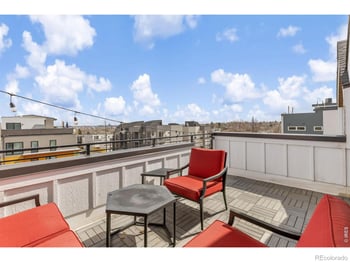
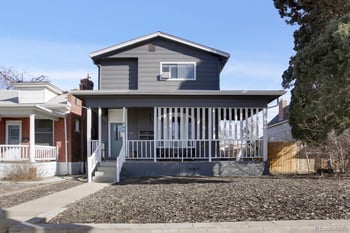
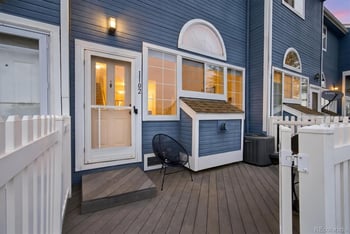
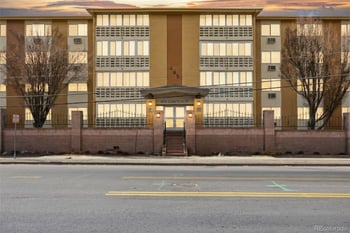
New - 15 Mins Ago
$1,250,000
Active
--
Beds
--
Baths
--
Sqft
0.29
Acres
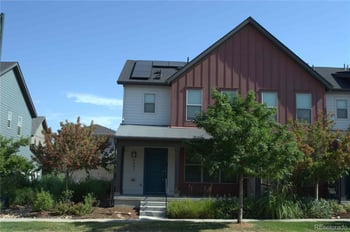
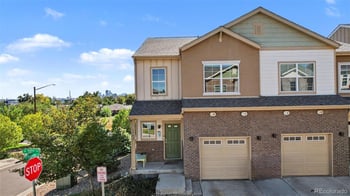
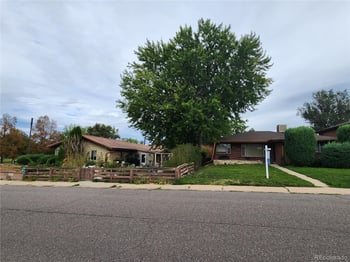
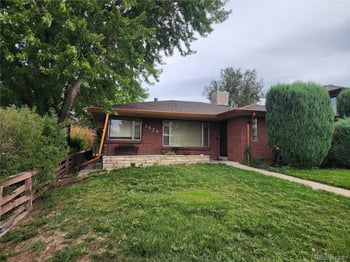
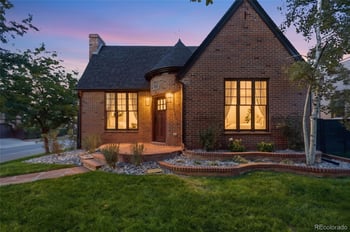
1711 N Lafayette St, Denver, CO 80218
MLS#: REC8837082
.jpg)


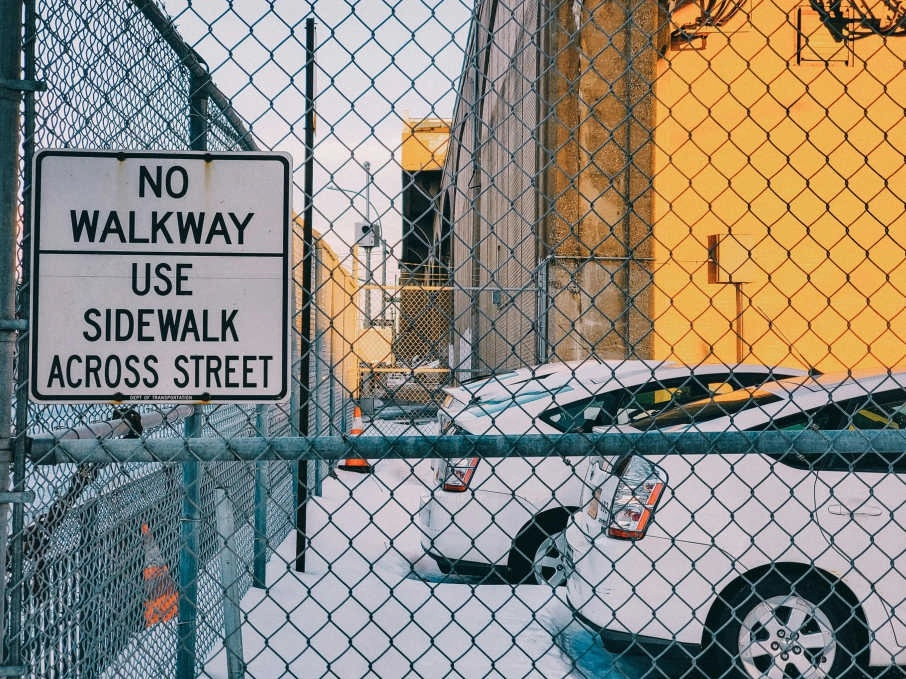
The first hard freeze of the season turns every shaded stairwell, north-facing walkway and ramp in a Front Range HOA or rental property into a liability question. Colorado's freeze-thaw pattern, melting snow that refreezes overnight into black ice, makes winter maintenance one of the most consequential and least budgeted line items in an HOA or rental property's year.
Check the declaration and bylaws first. In most Front Range condo and townhome associations, the HOA is responsible for common-area walkways, parking lots and drive lanes, while individual owners handle their own front steps and patios. Detached single-family HOAs and metro districts more commonly leave driveways and front walks entirely to the homeowner. Buyers should confirm which model applies before closing, since it changes both dues and personal exposure.
Colorado's warranty of habitability requires a landlord to maintain common areas in reasonable condition, which courts and cities read to include keeping shared walkways and stairs clear of ice within a reasonable time after a storm. Denver's rental licensing program expects documented upkeep of shared exterior areas. Owners of Front Range rental property should treat winter response time the same way they treat a heating outage: it needs a plan, not an improvisation.
Before a forecasted storm, then again within a few hours after snow stops and again the next morning once melt starts to refreeze. Denver's freeze-thaw pattern means a lot that looked clear at 4 p.m. can be sheeted in black ice by 7 a.m. the next day.
Keep a storm log: date, time, pavement temperature, material and quantity applied, and who did the work. Photograph conditions before and after each treatment with a timestamp, save the weather service alert for the storm, and keep vendor contracts and proof of insurance current. If an incident does occur despite a documented plan, a premises liability attorney can advise on next steps with insurers and claimants; you are free to use any attorney for that conversation.
Public mag chloride application on Front Range roads controls ice on streets but stops at the property line. HOA lots, private drives and rental driveways need their own treatment plan since city and county crews do not service them.
Denver's winter sun melts snow on south-facing pavement during the day, and that meltwater runs into shaded, north-facing pockets, stairwells and ramps where it refreezes overnight. Those specific spots need targeted treatment even when the rest of a lot looks dry.
| Service | Typical Front Range cost |
|---|---|
| Seasonal snow removal contract (small lot) | $2,500 - $6,000 per season |
| Per-push plowing (larger complex) | $150 - $400 per visit |
| Salt or ice-melt application | $0.10 - $0.20 per square foot per treatment |
| Sidewalk and stair hand-treatment | $75 - $200 per visit |
Metro districts maintain the public streets they were formed to build and own, but private HOA parking lots, internal drive lanes and building walkways almost always remain the HOA's responsibility. Check your metro district's service plan and the HOA declaration together; the boundary between the two is a common source of confusion for Front Range condo buyers.
The owner's exposure depends on whether the hazard was known, whether a reasonable response time had passed, and whether documentation shows a maintenance plan was actually followed. Owners without a written winter plan and photo log have a harder time defending a claim than those who can show exactly when and how the area was treated.
An HOA's master policy covers common-area liability claims up to its limits, and a rental owner's landlord policy covers claims tied to leased property. Neither replaces good documentation; insurers and courts both weigh whether reasonable maintenance steps were taken and recorded.
Snow and ice management is a line item in the HOA's operating budget rather than the reserve fund, since it is a recurring annual cost, not a capital expense. Associations that underbudget for winter service run into special assessments or unbudgeted overages by February, which shows up in dues increases the following year.
Cities along the Front Range set different rules for public sidewalk clearing timelines, and some, including Denver, cite property owners who leave abutting sidewalks uncleared after a set window post-storm. HOA common areas are governed by the association's own documents rather than the city sidewalk ordinance, but both apply on a property with public sidewalk frontage.
Buyers touring a Front Range condo or townhome in winter notice ice-slicked entries and unshoveled walks immediately, and it reads as a signal about how the HOA runs everything else, reserve funding included. A well-documented winter plan is worth mentioning in HOA disclosure documents during a sale.
Buying into an HOA or evaluating a rental property on the Front Range, the Kenna Real Estate Group can pull the HOA's declaration and reserve study so you know exactly who handles winter maintenance before you close. Call or text 303-955-4220. A live person answers. Not a robot, not a phone tree. Or search every home for sale in Colorado to compare HOA-managed and self-managed properties near you.
Questions about any home in Colorado? Call or text 303-955-4220. A live person answers.
Check the HOA declaration. Most condo and townhome associations cover common-area walkways, lots and drive lanes, while owners handle their own front steps and patios.
Colorado's warranty of habitability requires reasonably maintained common areas, which includes clearing shared walkways and stairs within a reasonable time after a storm. Denver's rental licensing program expects documented upkeep.
A small Front Range lot runs $2,500 to $6,000 for a seasonal contract, while larger complexes pay $150 to $400 per plow visit plus separate salting costs.
A storm log with time, pavement temperature, material applied and who did the work, plus timestamped before-and-after photos and current vendor insurance documents.
No. Mag chloride applied to Front Range public roads stops at the property line. HOA lots, private drives and rental driveways need their own separate treatment plan.
Daytime sun melts snow on south-facing pavement, and that meltwater runs into shaded, north-facing spots where it refreezes overnight, creating black ice even on lots that looked clear the evening before.
No. Metro districts maintain the public streets they were formed to build, while private HOA lots and walkways remain the association's responsibility under its own declaration.