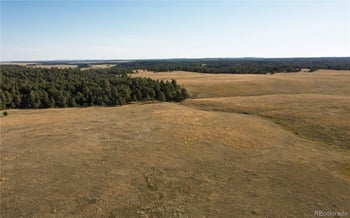
Open: Sat 1:00 PM - 3:00 PM
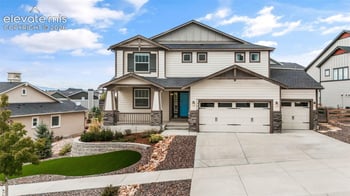
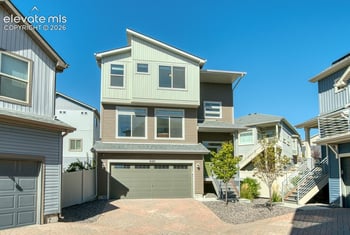
$965,000
Coming Soon
5
Beds
5
Baths
4304
Sqft
0.2355
Acres
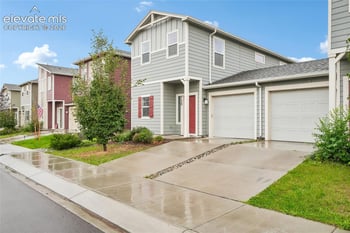
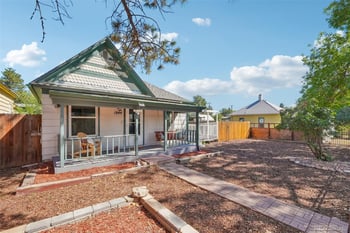
1952 Clayhouse Dr, Colorado Springs, CO 80921
MLS#: 9434534
.jpg)


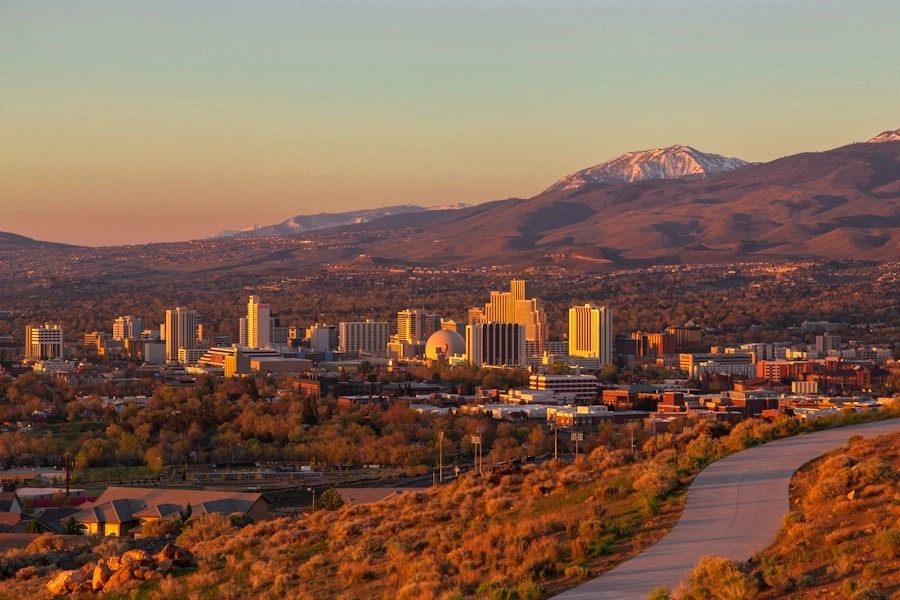
Colorado Springs sits an hour south of Denver at roughly the same 6,000-plus-foot elevation, with a lower median home price than the Denver metro, a flat state income tax, and a job market anchored by five military installations, aerospace, and a growing tech sector. Here is what changes for a household relocating to Colorado Springs in 2026.
| Factor | Colorado Springs | Denver Metro |
|---|---|---|
| State income tax | Flat rate, same statewide | Same flat rate statewide |
| Median home price | Lower | Higher |
| Elevation | ~6,035 ft | 5,280 ft |
| Commute to downtown Denver | 60 to 75 minutes via I-25 | Varies by suburb |
Colorado's state income tax applies statewide, so there is no tax advantage to choosing Colorado Springs over Denver the way some border-state moves offer. The advantage shows up in the housing budget instead: a homebuyer's dollar buys more square footage and more land in Colorado Springs than in most of the Denver metro.
Colorado Springs sits roughly 750 feet higher than Denver, which means a faster sunburn at the same clock time and a longer adjustment for a newcomer coming from sea level. UV exposure at that elevation runs meaningfully higher than at sea level year-round; daily sunscreen use matters even on a cloudy day. Hail season runs from late spring through summer along the whole Front Range, and homeowners insurance underwriting in El Paso County reflects that with hail-resistant roofing discounts and higher deductibles on wind and hail coverage.
Colorado Springs borders the Pike National Forest and several wildland-urban interface neighborhoods on its west side; insurance carriers have tightened underwriting in those zones over the past several years. Ask a lender or insurance agent about a property's wildfire risk zone before writing an offer on a west-side or foothills home, since it affects both the insurance premium and, in some cases, mortgage approval.
Colorado Springs Utilities, a city-owned utility, provides electric, gas, water, and wastewater service across the city, a different setup than Denver metro homes served by Xcel Energy and Denver Water. A single combined utility bill is one practical difference new residents notice in the first month.
Newer subdivisions on the north and east sides of Colorado Springs carry HOA dues and, in some cases, a metro district mill levy funding roads and parks, the same structure common across new-build communities on the Denver side of the Front Range. Older, established neighborhoods closer to downtown and Old Colorado City carry lower or no HOA dues. Ask for the HOA budget and reserve study before writing an offer in any newer Colorado Springs subdivision, the same step worth taking in a new Denver metro community.
A new Colorado resident has 30 days from establishing residency to register a vehicle with the county and obtain a Colorado driver's license. El Paso County, which covers Colorado Springs, handles registration through its motor vehicle offices; bring the out-of-state title, proof of insurance, and a Colorado emissions test where required. Colorado Springs and El Paso County currently fall outside the state's mandatory vehicle emissions testing zone that covers the Denver metro and North Front Range, which simplifies registration for a new resident coming from a state that also skips emissions testing.
I-25 connects Colorado Springs to Denver in roughly 60 to 75 minutes without traffic, longer during peak commute hours or a winter storm closure. A household with a Denver-based job should budget that drive time honestly before choosing Colorado Springs over a Denver metro suburb such as Castle Rock or Parker, both of which sit roughly midway between the two cities.
A cross-state or in-state long-distance move into Colorado Springs prices by weight and distance rather than by the hour. Get a binding estimate in writing, confirm the mover's insurance, and book six to eight weeks ahead during the busiest relocation season, late spring through early fall. A full-service moving company handles packing and loading end to end for a household relocating a full home's worth of belongings; you are free to use any licensed mover for the move. The Colorado Front Range relocation checklist covers the address-change and utility-transfer tasks that surround the move itself.
Mortgage pre-approval works the same way in Colorado Springs as anywhere else on the Front Range: full income and credit documentation up front, not just a rate quote. Review the Colorado mortgage pre-approval guide and the Colorado home financing guide before touring, and confirm closing-cost estimates with a lender licensed in Colorado rather than assuming figures from a previous state carry over. Mike Oswald at Rate (NMLS 261003, Equal Housing Lender) works with relocating buyers across the Front Range on pre-approval for a Colorado Springs purchase; you are free to use any lender.
Colorado Springs has active new-home construction on its north and east edges, alongside a resale market concentrated closer to downtown and the west side. Compare current builder inventory on the new construction homes in Colorado by area page against resale listings in the same price range before deciding which path fits the relocation timeline and budget better.
The Kenna Real Estate Group works across the Front Range, including Colorado Springs and El Paso County, and can compare neighborhoods, commute times, and walkability to parks and trails before an out-of-state move locks in a city. Ask for the printable Colorado relocation checklist in the form below and we email it the same day. Call or text 303-955-4220. A live person answers. Not a robot, not a phone tree. Or search every home for sale in Colorado to compare Colorado Springs against the rest of the Front Range.
Questions about any home in Colorado? Call or text 303-955-4220. A live person answers.
Yes, on housing. Colorado Springs prices below the Denver metro for comparable square footage, while the state income tax rate is the same statewide.
Roughly 6,035 feet, about 750 feet higher than Denver's 5,280 feet, which raises UV exposure and shortens the acclimation window for newcomers from lower elevations.
Colorado Springs Utilities, a city-owned utility, provides electric, gas, water, and wastewater on one combined bill, unlike the separate Xcel Energy and Denver Water setup in the Denver metro.
Roughly 60 to 75 minutes on I-25 without traffic, longer during peak commute windows or a winter storm.
West-side and foothills neighborhoods near the Pike National Forest sit in wildland-urban interface zones with tighter insurance underwriting; confirm a specific property's zone before writing an offer.
Five military installations including Fort Carson and Peterson Space Force Base, plus a growing aerospace and cybersecurity sector, anchor the local economy.
Late spring through early fall is the busiest and most weather-predictable window; book a long-distance mover six to eight weeks ahead for that stretch.
Old Colorado City and the Broadmoor area sit closest to west-side trailheads and the Garden of the Gods, with daily trail access most Denver metro neighborhoods do not offer.