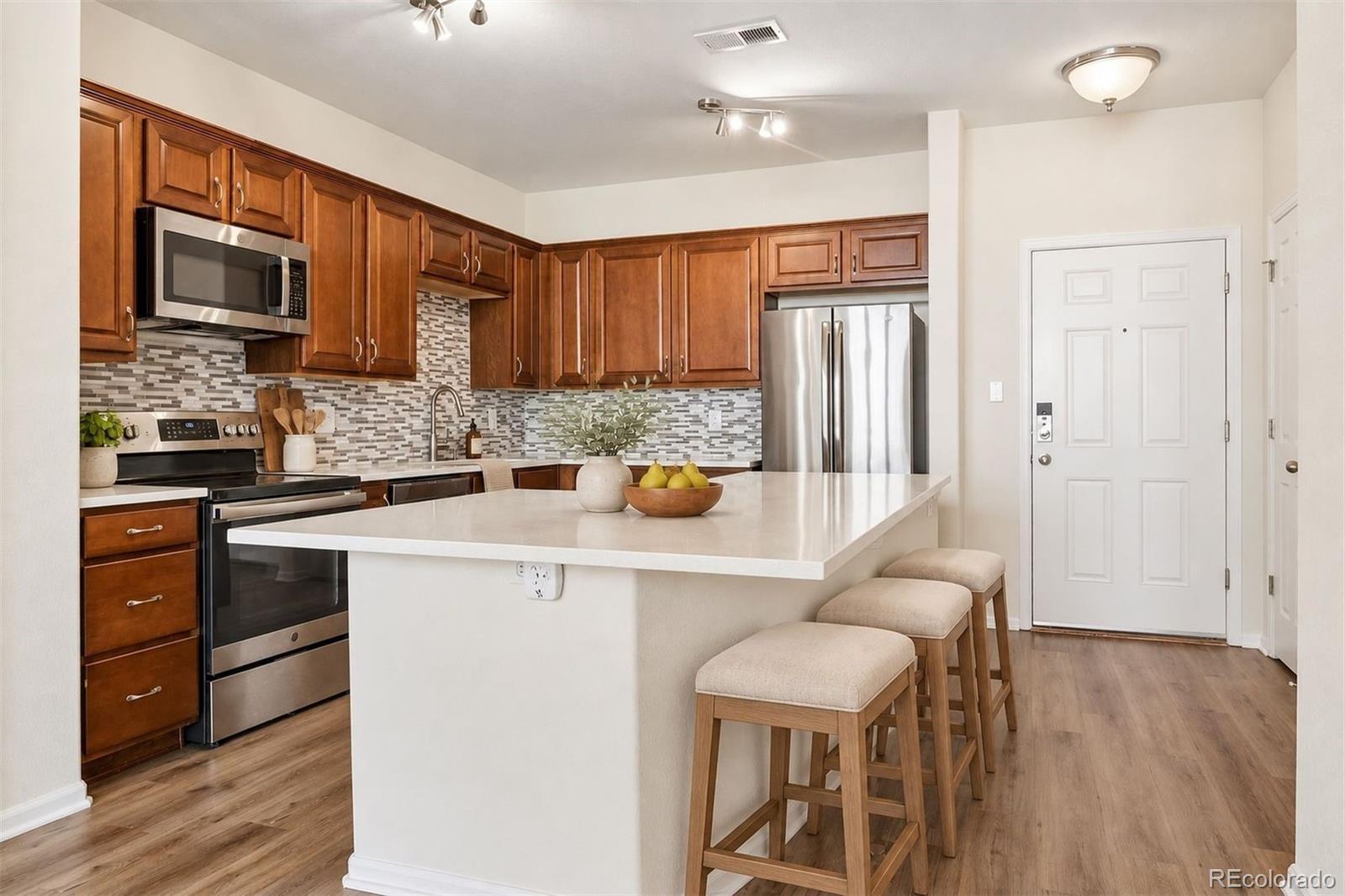
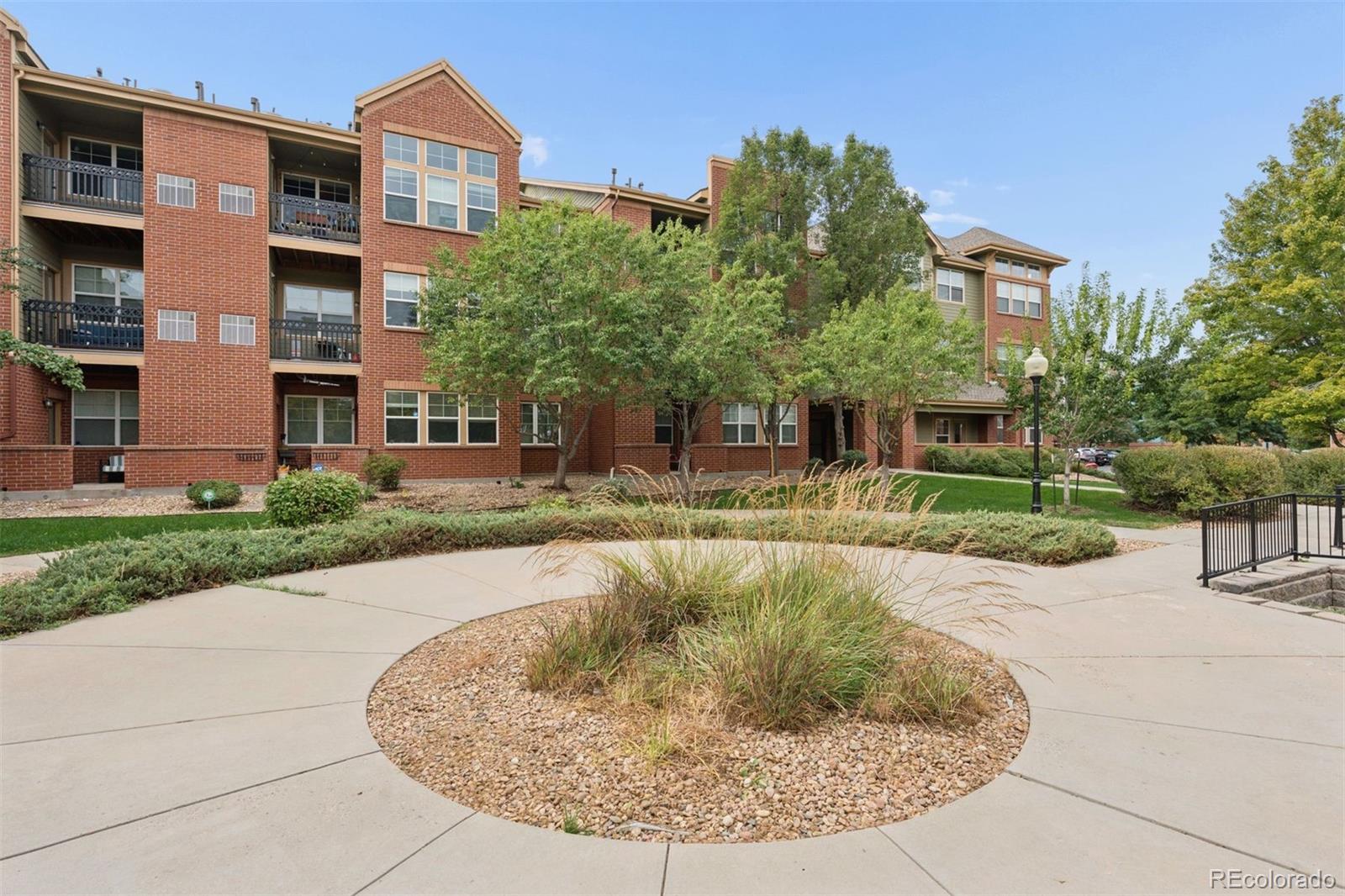
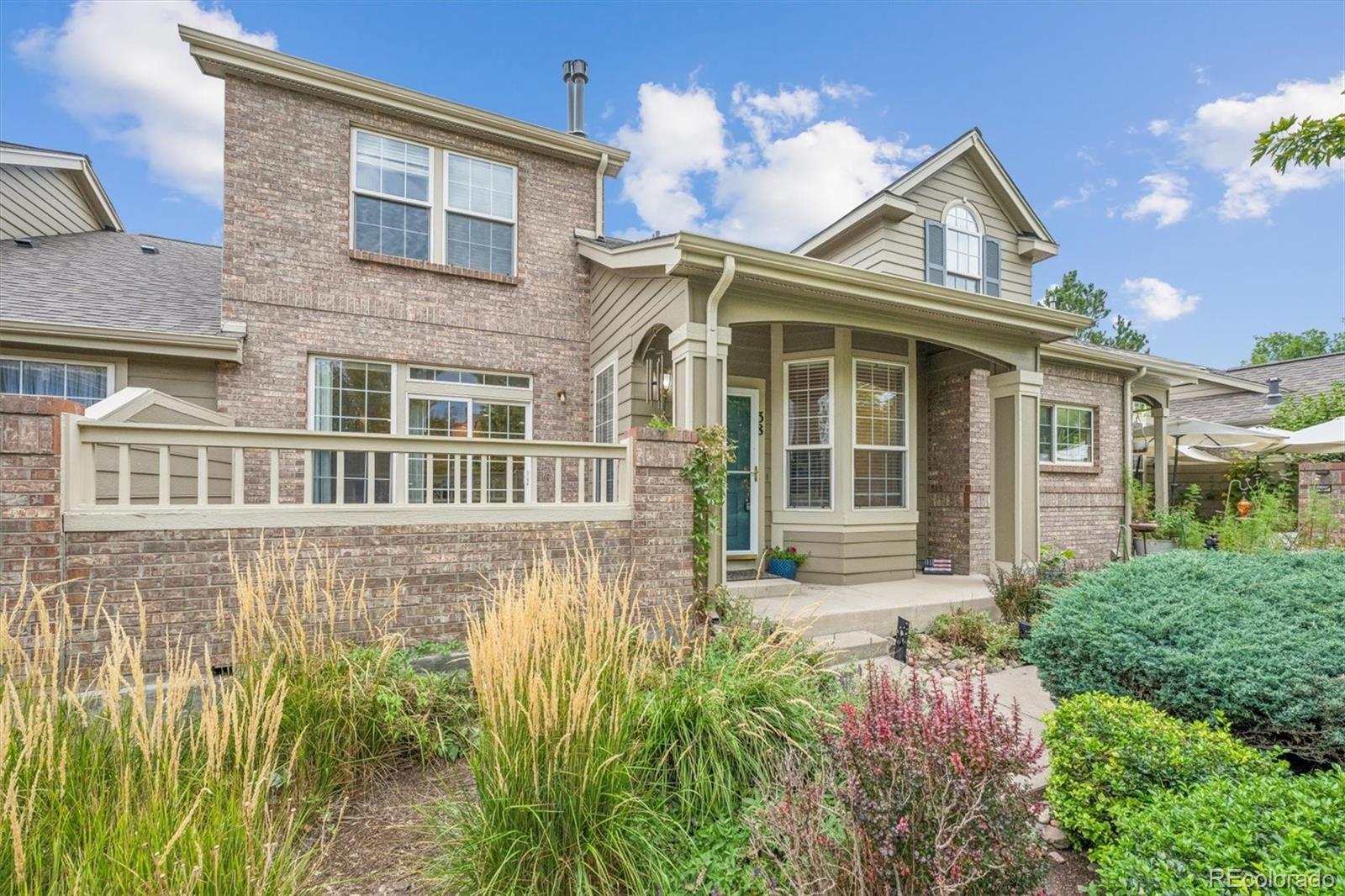
Keep Lowry on your shortlist when one of its home forms and an address-specific association structure fit. Move it down when layered dues, private-street or parking controls, or exterior-change review conflict with how you expect to use the home.
Denver city limits and neighborhoods map
The navy shape is the City of Denver as the US Census Bureau draws it in its 2026 boundary data. The sage shapes around it are the neighboring towns and unincorporated areas. Teal pins mark landmarks. Rust pins mark local favorites: places to eat, shop and get outside. Sage pins mark Denver neighborhoods with homes for sale, each placed at the center of its listings.
Tap a pin to open that area
- Landmark pin
- Local favorite: places to eat, shop and get outside
- Neighborhood pin
- Denver city limits
- Outside the city: another town or city
- Outside the city: unincorporated (uninc.)
- County line
- Highway
Map not to survey scale. Boundaries are simplified for display; the official city and county sites below are the record for any one address.
Sources: US Census Bureau TIGER/Line and TIGERweb boundaries and roads, 2026 vintage; US Census Bureau Geocoder; Neighborhood pins: average location of each community's active and coming-soon MLS listings on kennarealestate.com, pulled October 11, 2026; Landmarks and local favorites: each place's official website or the managing agency's page.
Local favorites in Lowry
- Big Bear Ice Arena: Ice rink on East Lowry Boulevard offering public skating, hockey programs and figure skating lessons.
- Lowry Beer Garden: Outdoor beer garden by historic Hangar 2 serving Colorado craft beer and food at communal tables.
- Montclair Recreation Center: City recreation center on Ulster Way with leisure and lap pools, pickleball, a gym and a pottery studio.
Then choose an internal setting, not a stack of records. Northwest and Central Lowry, the Sunset Park and Southwest areas, and East Park contain different clusters of sub-associations, parks, streets, and home forms. Narrow there first; verify a finalist only after the setting survives.
Choose the Lowry setting before the home
The Lowry Community Master Association’s current sub-association directory groups addresses into named internal areas. Those groupings are useful search filters because they show where a second association layer is more likely to shape dues, maintenance, parking, and project approval.
Northwest and Central
The directory names attached-home and loft associations around 4th through 9th avenues, Uinta, Roslyn, Syracuse, and Academy. Keep this setting when a smaller outdoor footprint or shared-building responsibility fits. Narrow away from it when the exact association’s parking, insurance, reserve, or exterior-work allocation is unacceptable.
Sunset Park and Southwest
The directory places townhome and condominium associations near 1st through 3rd avenues and the Oneida–Poplar area, plus communities near Ellsworth, Rosemary, Quebec, Tamarac, Syracuse, and Maple. Keep this setting if its home form and park or street relationship match your routine. Rule out an address whose assigned parking, private access, or maintenance split does not.
East Park
The directory names twinhomes, townhomes, cottages, and other associations around Yosemite, Dayton, Alton, 3rd through 5th avenues, and Tailwind Park. Keep this setting when that eastern location and attached or paired-home structure work together. Narrow elsewhere if the association stack or the actual trip from the address fails your cutoff.
Apply three Lowry-specific cutoffs
- Association cutoff: LCMA says many Lowry homes also belong to a sub-association. Add every dues layer and reject any address when the combined payment, insurance structure, reserves, planned work, or responsibility split exceeds your limit.
- Street and parking cutoff: Lowry’s guidelines distinguish Denver-controlled public streets, marked by green street signs, from private streets, marked by blue signs and handled by LCMA or a sub-association. Reject a finalist when the deeded, assigned, licensed, garage, guest, or street-parking arrangement will not support your real vehicles and daily use.
- Change-review cutoff: LCMA requires review for permanent exterior changes and says applicable sub-association approval comes first. Reject a home when an essential fence, roof, window, yard, solar, or other exterior plan conflicts with the rules or timing you can accept.
Do not treat every nearby park as the same amenity
Lowry’s park information separates Denver-owned parks from LCMA-owned parks and open spaces. The two systems have different maintenance contacts and use rules; LCMA parks are for Lowry residents, LCMA members, and their guests, and larger gatherings require the association’s permit process. That distinction matters more than a map pin if you expect to reserve space, host a group, report maintenance, or rely on a particular play area or trail.
Walk from the actual home to the exact park, open space, or sports field you expect to use. Keep the setting only if the crossing, access, hours, ownership rules, and return trip work at the times that matter to you.
Use the exact search after the setting survives
The sibling search intentionally combines listings filed under Lowry and Lowry Condominiums. Use it to compare detached, townhome, and condominium choices inside the established Lowry inventory, then match each listing’s address to the appropriate internal area and association layer.
Open current Lowry homes. Save only the listings whose home form, internal setting, total payment, parking arrangement, and change-review limits have survived your cutoffs.
Verify the finalist, not the whole neighborhood
For a surviving home, obtain documents for LCMA and every applicable sub-association through the seller and association contacts. Compare declarations, current dues, budgets, reserves, insurance, meeting records, planned projects, special assessments, parking or storage rights, and the maintenance boundary. For planned exterior work, identify the applicable association review and any separate Denver permit requirement.
Then compare the Denver property and permit records with the home’s actual layout and the seller’s description. These are finalist checks, not reasons to turn the guide into a records manual.
Lowry and Denver sources
Lowry setting and ownership
Finalist property checks
Take the surviving Lowry setting to a real home
Use the exact Lowry home search for current inventory. If a specific home survives your setting and cutoff tests, send the address to Kenna Real Estate Group for help separating its association layers, parking rights, maintenance duties, project-review path, and finalist records.