New - 17 Hours Ago
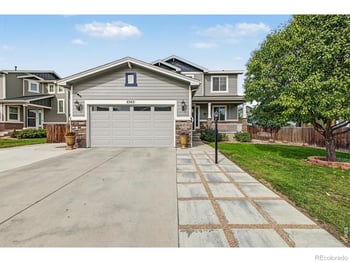
$620,000
Coming Soon
6
Beds
4
Baths
2827
Sqft
0.15
Acres
6363 Twilight Ave, Firestone, CO 80504
MLS#: RECIR1070096
Search Firestone single-family homes by price, layout, lot size, and map placement in one place.
Looking for single-family homes in Firestone? 124 Firestone single-family homes for sale are on the MLS today, $89K to $2M, median $560K, every one of them below. ZIP 80504 carries the most Firestone single-family homes (118). Call or text 303-955-4220. A live person answers.
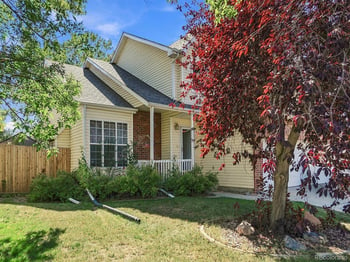
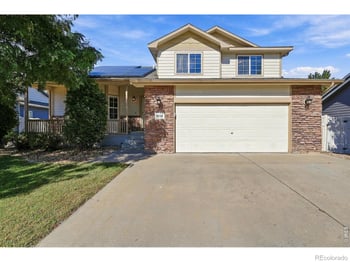
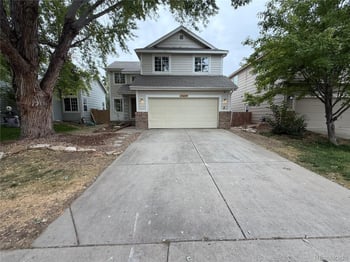
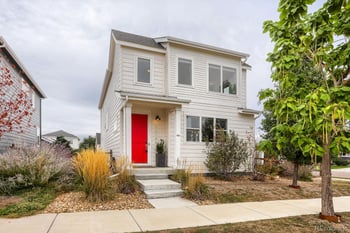
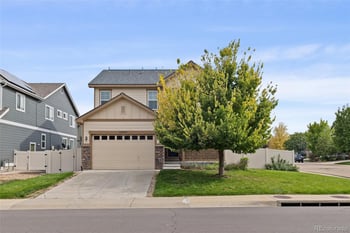
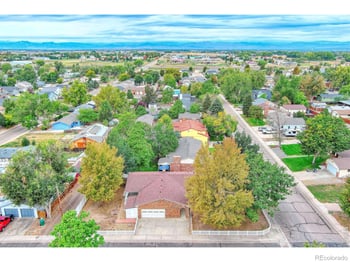
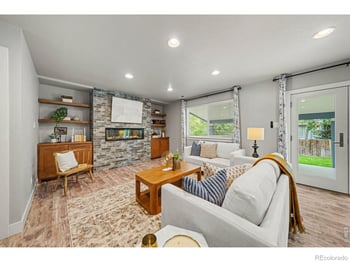


124 single-family homes are for sale in Firestone this week, $89K to $2M; the median single-family homes is listed at $560K for 2,268 square feet, $238 a foot. 70 percent of the sampled listings have no HOA. The charts below are drawn from those listings, not from a report about them.
| Single-family homes in Firestone this week | Number |
|---|---|
| For sale | 124 |
| Price range | $89K to $2M |
| Median list price | $560K |
| Median price per square foot | $238 |
| Size range | 1,056 to 9,092 sq ft |
| Listings with an HOA | 37 of 124 sampled (median $90/mo) |
| Condos and townhomes | 3 of 124 sampled |
| Wider search | Firestone homes for sale |
HOA or not. Firestone subdivisions built after 1990 carry an HOA; older neighborhoods mostly do not. The dues, the covenants and the rental rules matter, so we read them before you write.
Metro districts. Newer Firestone neighborhoods repay the developer's roads and pipes through a metro district on your tax bill. The mill levy changes the monthly payment by hundreds. We pull it on every new-build listing.
Roof, sewer, foundation. Hail, clay soils and old sewer lines are the three Front Range problems that cost real money. A roof inspection, a sewer scope and a foundation look are standard on our Firestone inspections.
Lot and orientation. South-facing driveways melt in winter. Corner lots and cul-de-sacs price differently. A Kenna agent points these out on the tour.
124 this week, $89K to $2M, median $560K. The grid at the top of this page is the live MLS list and refreshes daily.
Some do: 37 of 124 sampled carry a fee (median $90 a month); 87 do not. More: HOA fees in Colorado, explained.
About $4,180 a month on the median $560K single-family homes with 5 percent down at a 7 percent note rate: $3,539 principal and interest, $257 property tax, $163 insurance, $222 mortgage insurance. A seller-paid 2-1 buydown cuts year one by $683. More: Can I afford a home now?.
1,056 to 9,092 square feet across this week's sample, 3 beds most common. Price per square foot runs $238 at the median.
Yes. Colorado down-payment assistance works at a 620 credit score, FHA takes 3.5 percent down, VA zero where the buyer qualifies, and a seller credit covers closing costs. On the median $560K single-family homes that is $19,600 down at 3.5 percent. More: Can I afford a home now?.
$560K at list this week, for a median 2,268 square feet, $238 a square foot. Compare two on the per-foot number and the condition before the list price. More: Can I afford a home now?.
Three percent on a conventional loan, 3.5 percent on FHA, zero on VA and USDA where the Firestone address qualifies. Colorado down-payment assistance programs stack on top. Your lender and your Kenna agent sort the options in one call.
Text FIRESTONE and what you are looking for to 303-955-4220. A live person answers, sets up the saved search and sends the disclosures on any single-family homes you want to see.
The listings above are the live Firestone list for single-family homes; it changes as homes close and new ones list. Cities next door carry more this week: Frederick, Dacono, Fort Lupton, Erie.
HOA and metro district, or none. Lot size and what the setbacks allow: ADU, garage, addition. The roof, the sewer line and the furnace, the three big-ticket items. Write the findings into the inspection objection, not into a text after the deadline.
The same search runs in the cities next door: Frederick single-family homes for sale, Dacono single-family homes for sale, Fort Lupton single-family homes for sale, Erie single-family homes for sale. Prices step down as you leave the core and metro district taxes step up in the newer subdivisions.
The price spread in most Front Range cities is $200,000 between the entry ranch and the newer two-story; the grid sorts by price and the map shows which streets carry which.
Call or text 303-955-4220 with the address. A live person answers and sends the disclosures and the last sales on that street the same day.
Use the listings to compare price, layout, lot setup, garage space, condition, and map placement before choosing homes to tour.