


$2,499,900
Active Under Contract
--
Beds
--
Baths
3944
Sqft
0.85
Acres
2800 Hunters Knob Rd, Silverthorne, CO 80498
MLS#: REC6534846
Use the Silverthorne listings below to compare location, HOA rules, parking, and records.


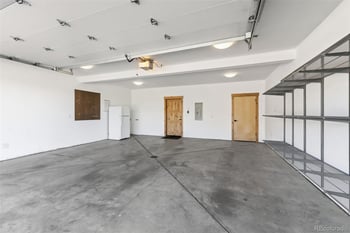

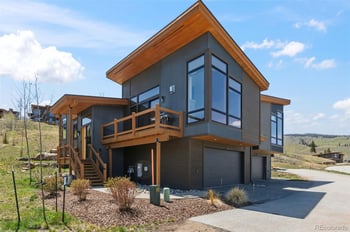


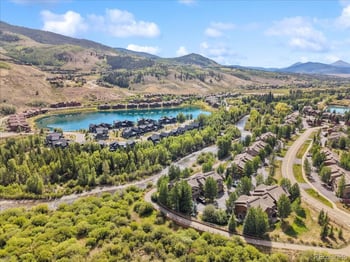

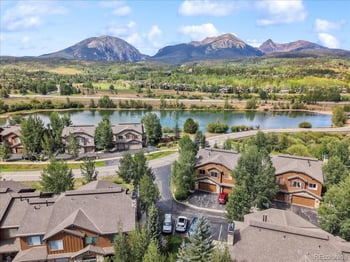
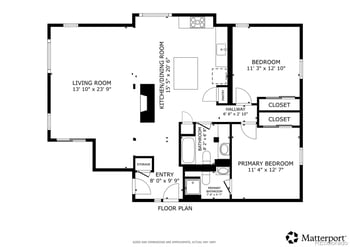
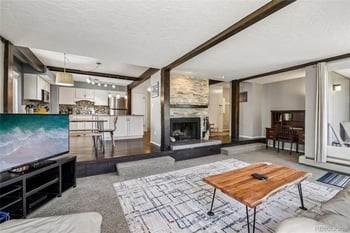



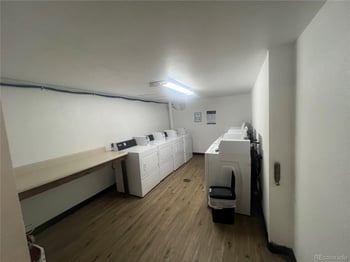
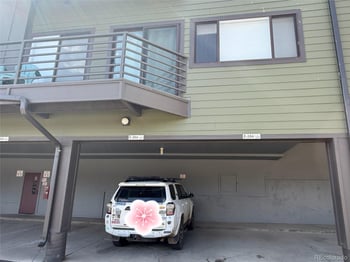







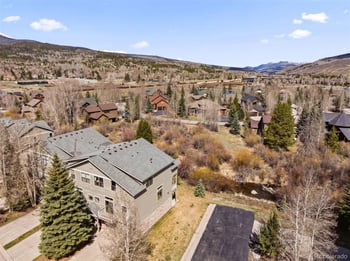
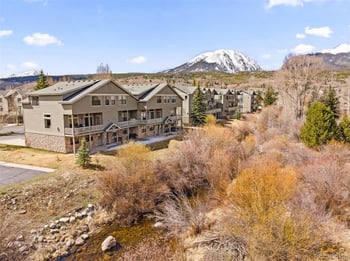
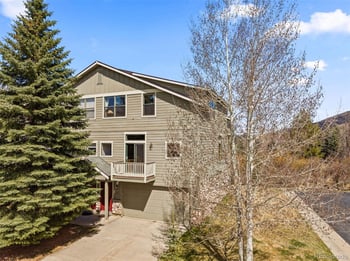



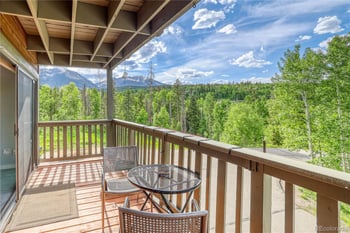
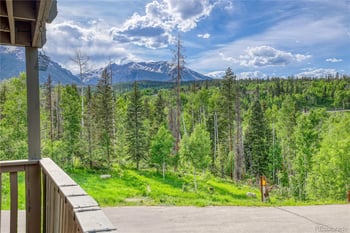


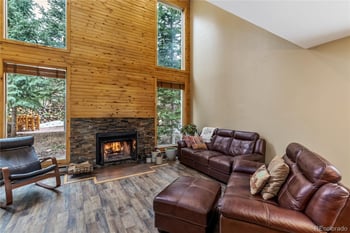
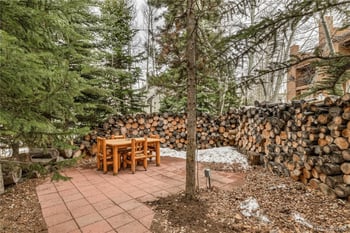
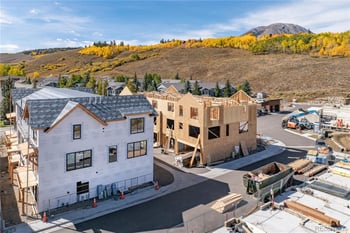

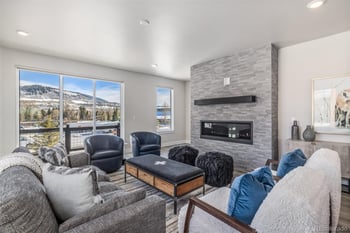



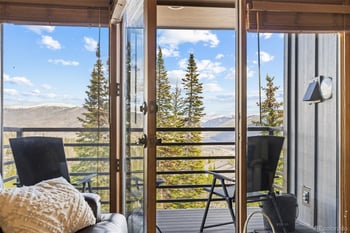
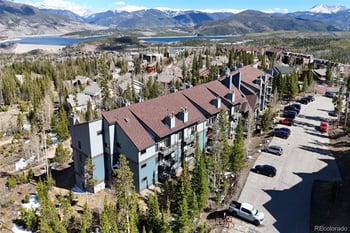

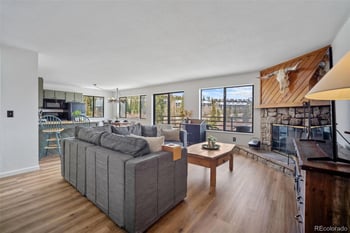
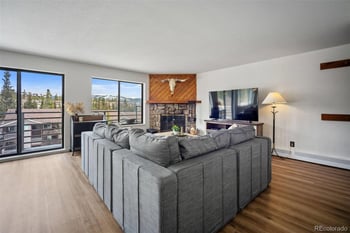


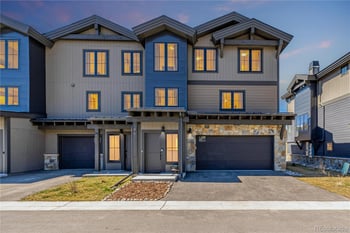

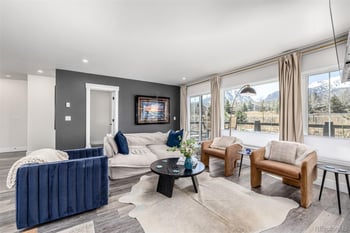
Confirm whether the property is inside the Town of Silverthorne or in unincorporated Summit County. Areas near Silverthorne can share a search map but follow different rules. Check Summit County assessor and mapping tools for parcel, legal description, zoning references, and tax district. Then compare that with the town's rules, HOA documents, and the MLS listing before making assumptions.
Do not assume. Silverthorne has town short-term rental licensing rules, and unincorporated Summit County has separate rules. Buyers should verify jurisdiction, license requirements, caps or zones if applicable, renewal deadlines, parking, occupancy, taxes, HOA restrictions, and whether an existing license can continue after closing. Rental history in a listing is not enough for underwriting.
Silverthorne, Dillon, and Breckenridge are close enough to compare, but they differ by route, town rules, HOA patterns, property types, and access to I-70 or mountain roads. Compare the exact parcel and drive route first. A Silverthorne home, Dillon condo, and Breckenridge property may require different rental, parking, utility, and association review before an offer.
Many Silverthorne listings may involve condos, townhomes, or subdivisions with association rules. Review dues, reserves, insurance, rental restrictions, parking, storage, pet rules, exterior maintenance, snow removal, and meeting minutes. HOA documents can affect both monthly cost and how the property can be used. Do not rely only on listing remarks about amenities or rental potential.
I-70 is a key route, but buyers should compare actual access, local traffic patterns, snow conditions, parking, and the route to work, skiing, services, or schools by address. A property close to the interstate may still involve steep local roads or limited parking. A property farther away may have an easier daily setup. Verify the route for each listing.
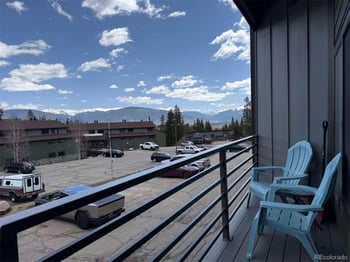
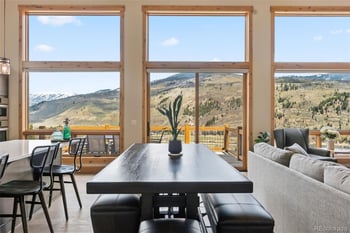
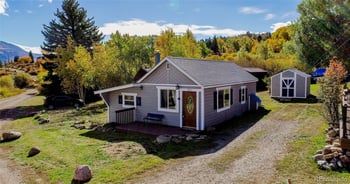
Look closely at driveway grade, plowing responsibility, snow storage, drainage, roof condition, decks, retaining walls, heating, and access for maintenance. For hillside properties, inspection should address water movement and structural details. For condos, review how the association handles snow, roofs, exterior repairs, and common areas. The listing photos rarely show the whole maintenance picture.
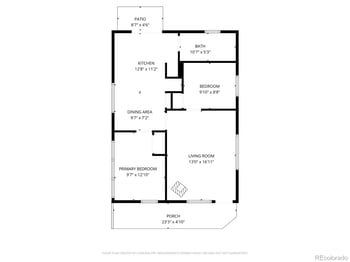
Use Summit County records to verify parcel number, ownership, legal description, tax area, building details, and map location. Pay attention to whether the property is actually in Silverthorne, a nearby town, or unincorporated county land. If the listing includes lock-offs, extra finished rooms, rental history, or major remodels, ask for permits, HOA approval, and supporting documents.
Compare town or county status, route access, HOA rules, parking, storage, rental limits if relevant, utilities, and inspection risk. Silverthorne listings can look similar online while carrying different rules and ownership costs. A good short list separates condos, townhomes, single-family homes, and county-area properties before moving to showings.
Send the Silverthorne homes you saved and get help checking jurisdiction, HOA rules, route access, and Summit County records.