New - 3 Hours Ago
$475,000
Coming Soon
2
Beds
3
Baths
1760
Sqft
0.04
Acres
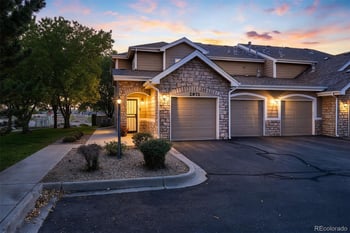
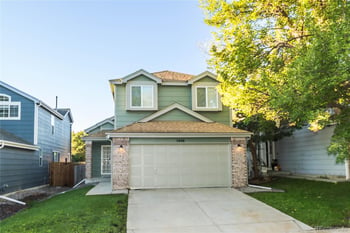
3905 W 104th Dr #D, Westminster, CO 80031
MLS#: REC1667567
.jpg)



Xeriscaping, rain barrels, smart irrigation and Xcel Energy rebates on efficient appliances are the fastest ways a Front Range homeowner cuts water use, energy use and utility bills at the same time. Colorado's dry climate and strong sun make several of these upgrades pay back faster here than in wetter, cloudier states, and a few of them come with specific state and local rules worth knowing before you spend money on equipment.
Denver Water and most Front Range municipal water providers set summer watering schedules that limit outdoor irrigation to specific days of the week, with additional restrictions during drought years. Check your specific provider's current rules before setting an irrigation schedule, since Denver, Aurora, Westminster and other Front Range utilities each set their own days and times.
A smart irrigation controller that adjusts watering based on weather and soil moisture keeps a lawn compliant with these schedules automatically and commonly cuts outdoor water use by 20% to 30% compared with a fixed timer.
Xeriscaping replaces thirsty turf with native, low-water plants, mulch and permeable hardscape, and it's one of the highest-impact changes a Colorado homeowner can make to a water bill. Several Front Range water providers, including Denver Water and Aurora Water, offer turf-replacement rebates that pay a set amount per square foot of converted lawn.
Native Colorado plants suited to xeriscaping, like blue grama grass, penstemon and Rocky Mountain penstemon, need far less irrigation once established than Kentucky bluegrass, and they hold up better to the state's 300 days of sun and expansive clay soil.
Colorado legalized residential rain barrel use under HB16-1005, and a household can collect rainwater in up to two barrels with a combined capacity of 110 gallons, used only for outdoor irrigation on the same property where it's collected. This is a change from Colorado's historic water-rights rules, which restricted rainwater collection for most of the state's history.
A basic rain barrel system costs $100 to $300 installed and offsets a portion of outdoor watering during the growing season, though it won't cover a full irrigation schedule on its own given the 110-gallon cap.
Denver, Boulder, Fort Collins and several other Front Range cities run municipal composting programs that collect food scraps and yard waste separately from trash, using the same cart system as recycling in several of these cities. Check your specific city's program, since participation, cost and accepted materials differ between Denver's program and smaller Front Range municipalities.
Backyard composting works too, though homeowners in areas with bear activity along the foothills should follow local guidance on securing compost bins, since food scraps draw wildlife into yards close to open space.
| Upgrade | Typical cost | Rebate availability |
|---|---|---|
| Low-flow showerheads and faucets | $20 to $80 per fixture | Free or discounted through some water providers |
| ENERGY STAR appliances | Varies by appliance | Rebates available through Xcel Energy |
| Heat pump water heater | $1,800 to $3,500 installed | Rebates available through Xcel Energy |
Check Xcel Energy's current rebate catalog before purchasing, since eligible models and rebate amounts change through the year. Several Front Range water providers separately offer free low-flow fixture kits or discounted showerheads through their conservation programs.
Colorado's 300 days of sun and high elevation both increase solar panel output compared with a lower-altitude, cloudier location, which shortens the payback period on a rooftop system here relative to many other states. Federal solar tax credit rules have changed in recent years, so confirm current eligibility and the credit percentage directly with a licensed installer before signing a contract, rather than relying on an outdated figure.
Owned systems add value at resale; leased systems require the buyer to qualify for an assumption or the seller to pay off the lease before closing, so factor that into your decision if you plan to sell within the system's payback period.
Much of the Front Range has moderately hard water, and a tankless water heater needs periodic descaling to prevent mineral buildup from reducing its efficiency over time. A whole-home water softener paired with a tankless unit extends its service life and keeps the efficiency gains from dropping off after a few years.
Xcel Energy and several Front Range municipalities offer rebates on home EV charger installation and, in some cases, discounted off-peak electricity rates for EV charging. Check current program details before installing a charger, since rebate amounts and eligibility change as these programs get renewed each year, and confirm whether your electrical panel has enough capacity for a Level 2 charger before you commit to a specific unit.
Colorado's Department of Transportation and most Front Range cities use magnesium chloride to treat roads in winter, and runoff and overspray from mag chloride can damage salt-sensitive plants near the street or driveway edge. Choose salt-tolerant plantings for the strip closest to the road, and rinse hardscape and lower siding in early spring once winter road treatment season ends.
Colorado law limits how much an HOA can restrict xeriscaping and drought-tolerant landscaping on a homeowner's own lot, following state legislation passed to support water conservation. HOAs can still set design standards for how a xeriscape design looks, covering plant selection, mulch type and maintenance, but a blanket ban on converting turf to low-water landscaping isn't enforceable in most cases.
Synthetic turf rules vary more by community; some Front Range HOAs allow it in backyards but restrict it in front yards visible from the street. Check your specific covenants before installing either xeriscaping or synthetic turf, since design-review requirements still apply even where an outright ban does not.
Colorado's thinner air at altitude changes how HVAC equipment performs compared with sea-level ratings, and a furnace or air conditioner sized for a lower-elevation climate runs less efficiently here. Ask your HVAC contractor whether the equipment you're considering is rated or adjusted for Front Range elevation, since a unit sized correctly for altitude uses less energy over its lifespan than one sized off a standard sea-level chart.
Dry air also means a whole-home humidifier improves comfort without the mold and moisture concerns that come with humidification in wetter climates, and pairing one with a smart thermostat keeps both temperature and humidity in a comfortable range through a Front Range winter.
Shopping for a home with lower utility costs or planning efficiency upgrades before you sell, we can tell you which projects matter most to Front Range buyers right now. Call or text 303-955-4220. A live person answers. Not a robot, not a phone tree. Ready to look at homes? Search every home for sale in Colorado.
Questions about any home in Colorado? Call or text 303-955-4220. A live person answers.
Yes, since HB16-1005. A household can use up to two rain barrels with a combined capacity of 110 gallons, and the collected water can only be used for outdoor irrigation on the same property.
Yes, and several Front Range providers, including Denver Water and Aurora Water, pay a rebate per square foot of turf converted to low-water landscaping.
Denver Water and most Front Range utilities set specific watering days and times, with tighter limits during drought years. Check your specific provider's current schedule rather than assuming statewide rules.
Yes, on select ENERGY STAR appliances, heat pump water heaters and other equipment. Check the current rebate catalog before buying, since eligible models change through the year.
It can. Follow your city's guidance on securing compost bins in areas with bear activity, since food scraps draw wildlife into yards close to open space.
Colorado's 300 days of sun and high elevation both increase panel output, which shortens the payback period compared with a cloudier, lower-elevation location. Confirm current federal tax credit rules with a licensed installer before signing a contract.
Runoff and overspray can harm salt-sensitive plants near the street. Choose salt-tolerant plantings close to the road and rinse hardscape once winter treatment season ends.