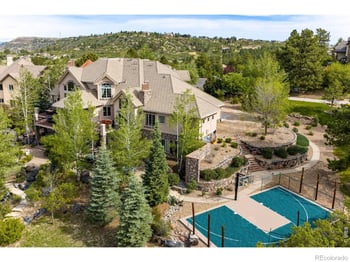

$3,250,000
Active
5
Beds
7
Baths
7563
Sqft
1
Acres
4433 Tierra Alta Dr, Castle Rock, CO 80104
MLS#: RECIR1063058
.jpg)


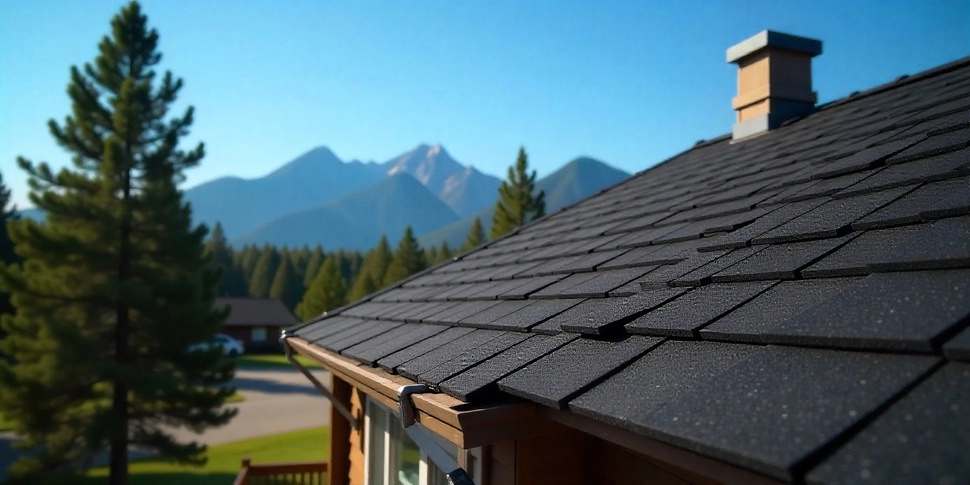
A Colorado roof is showing its age, not just weathering a season, when you see three or more of these ten signs at once: curling shingles, granule-filled gutters, moss in shaded valleys, daylight in the attic, sagging ridges, missing shingles, dark hail bruises, rising energy bills, a chimney leak, or a roof already past 20 years old. Catching two or three signs early keeps the job a repair; ignoring five or more means a full replacement.
UV exposure at 5,280 feet runs roughly 25% stronger than at sea level, and it dries out the asphalt oils in shingles faster than in lower-elevation states. Curling edges are one of the first visible signs that a shingle has lost flexibility and will crack under the next hailstorm or wind event.
Front Range wind gusts regularly top 50 mph along the foothills, Castle Rock and the eastern plains, strong enough to lift the tab on an aging shingle. Walk the perimeter after any high-wind event and look for shingles in the yard or gutters, not just gaps on the roof.
Granules protect the asphalt mat from UV and impact. A steady buildup in gutters, especially after rain, signals the protective layer is wearing thin. On a roof under 10 years old, heavy granule loss can point to a manufacturing defect worth a warranty claim.
Hail season runs mid-April through mid-September on the Front Range, with June the highest-frequency month. Press gently on any dark, discolored spot; a bruise that gives slightly under light pressure has a cracked mat underneath, even if the surface granules still look intact.
Shaded valleys and north-facing slopes hold moisture longer after Colorado's spring snowmelt. Moss traps water against the shingle surface, accelerating decay in that section even while the rest of the roof looks fine.
A ridge that dips instead of running straight, or a roof plane that looks wavy from the street, points to decking that has weakened underneath, from long-term moisture intrusion. This is a structural sign, not a cosmetic one, and it means a tear-off rather than a shingle-only repair.
Check the attic on a sunny day. Pinpoints of daylight through the decking, or brown water stains on the rafters, mean the roof's water barrier has already failed in that spot. Colorado's freeze-thaw cycling, where meltwater seeps into small gaps and refreezes overnight, widens these openings through the winter.
Flashing, the metal strips sealing joints around chimneys, skylights and roof vents, fails years before the shingles around it. A leak that only shows up near a chimney after heavy rain or snowmelt is a flashing repair, not a full roof problem, but it needs attention before the next freeze-thaw cycle drives it further.
An aging roof with failing underlayment and ventilation lets more heat escape in winter and more heat in during summer. If your Xcel Energy bill has climbed without a change in usage and the roof is past 15 years old, the roof deck and attic ventilation are worth inspecting together.
Standard three-tab asphalt shingles on the Front Range run 15 to 20 years under this climate's UV and hail exposure; architectural shingles run closer to 20 to 25 years. Once a roof crosses that line, even one without visible damage, insurers and buyers both start treating it as due for replacement.
| Job | Typical Denver metro cost |
|---|---|
| Flashing repair around one chimney or vent | $250 to $700 |
| Shingle repair, small section | $400 to $1,800 |
| Full tear-off and replacement, 2,000 to 2,500 sq ft | $9,000 to $18,000 |
| Class 4 impact-rated upgrade (added cost over standard shingles) | $1,500 to $4,000 |
Most Denver metro HOAs, including communities in Highlands Ranch, Parker and Castle Rock, require architectural committee approval before any shingle color or material change, including an upgrade to Class 4 impact-rated shingles. Submit the manufacturer spec sheet and a sample with your application; a one to three week review is typical.
A full roof tear-off and replacement needs a permit and final inspection in Denver, Aurora, Lakewood and Colorado Springs. Small repairs under each city's square footage threshold are exempt, but the threshold differs by jurisdiction, so confirm with the local building department before scheduling work.
An inspector who flags three or more of these signs during a Colorado purchase contract's inspection period will trigger a repair request or a price adjustment. A pre-listing roof check lets a seller fix or price around the issue instead of negotiating it under deadline pressure. See Preparing and Adding Value Before Selling and The Colorado Home Seller's Guide for the full pre-listing checklist.
Photograph every sign above before a roofer touches the roof: wide shots of each slope and close-ups of granule loss, bruising and any torn shingles. Insurers send their own adjuster, and a homeowner's photo record matters if the two assessments disagree on scope.
A complete Front Range roofing estimate itemizes tear-off and disposal, decking replacement if needed, underlayment type, ice-and-water shield along eaves and valleys, shingle brand and Class 4 certification if applicable, flashing, and a written warranty term for both materials and labor. An estimate that bundles everything into a single lump sum makes it hard to compare against a second bid or to confirm the insurer's scope matches what the roofer plans to install. Ask for the manufacturer name and product line in writing, since two shingles at the same price point can carry very different wind and impact ratings.
Confirm the crew is the roofer's own employees or a subcontractor with matching insurance certificates, and ask for a certificate of insurance naming your address before work starts. A storm season brings traveling crews to the Front Range every year, and a local roofer with a permanent address and a multi-year warranty is easier to hold accountable if a leak shows up after the first hard freeze.
The Kenna Real Estate Group walks Front Range sellers through which of these ten signs matter before listing, and helps buyers weigh roof age into an offer. Call or text 303-955-4220. A live person answers. Not a robot, not a phone tree. Or search every home for sale in Colorado right now.
Questions about any home in Colorado? Call or text 303-955-4220. A live person answers.
Two or three isolated signs point to a repair. Three or more together, or a roof already past 20 years, point to a full tear-off and replacement.
Moss in shaded, north-facing valleys traps moisture against the shingles after Colorado's spring snowmelt, wearing down that section faster than the rest of the roof.
Standard three-tab shingles run 15 to 20 years under Front Range UV and hail exposure; architectural shingles run 20 to 25 years.
Small repairs under Denver's square footage threshold are exempt, but a full tear-off always needs a permit and final inspection. Confirm the threshold with the building department.
Most Front Range roofers do not recommend it once decking issues or two existing layers are present, since it hides the deck condition and can void a Class 4 shingle warranty.
Look for granules in gutters, dark soft spots on the shingle field, and dents on soft metal like gutters, vents or AC housing, then press gently on any suspected bruise.
Yes. Roofs past 15 to 20 years, or those with visible hail bruising, are among the most common items flagged during a Colorado inspection objection period.
$9,000 to $18,000 for a 2,000 to 2,500 square foot home, plus $1,500 to $4,000 more for a Class 4 impact-rated upgrade.