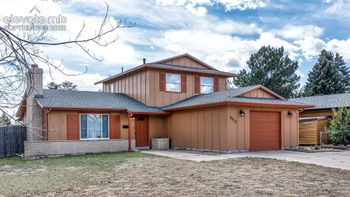
New - 2 Hours Ago
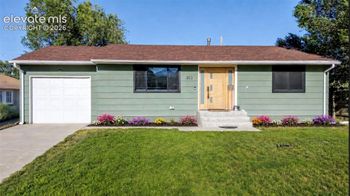
$362,950
Active
3
Beds
2
Baths
2682
Sqft
0.15
Acres
803 Tia Juana St, Colorado Springs, CO 80909
MLS#: 7002793
.jpg)


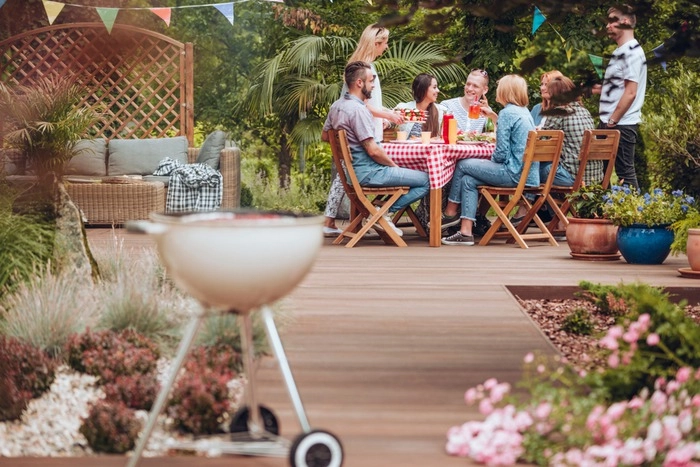
A fire pit, a basic outdoor kitchen and routine lawn care are the three backyard projects that give Front Range homeowners the most use for the lowest cost, and Colorado's permit rules, wind and hail change how each one should be built here.
A basic metal fire pit purchased and placed directly in the yard runs well under $500, while a built-in stone or tile fire pit with a buried gas line can run $2,000 or more once professional installation is included. Keep any fire pit at least 10 feet from your house, a neighbor's house, fences, sheds and overhanging branches, and check current county fire restrictions before choosing wood over gas.
A small, portable fire pit commonly needs no permit on the Front Range, but a built-in gas line for either a fire feature or an outdoor kitchen requires a permit and a licensed installer in most Front Range cities. Check with your city or county building department before digging a gas line trench.
A basic outdoor kitchen with a built-in natural gas grill, a prep counter, a sink and a shade element commonly runs around $5,450 using porcelain or ceramic tile finishes, depending on local labor and material costs. Upgrading to brick flooring, soapstone counters and stainless steel cabinets pushes the total closer to $13,000, and a high-end build with a pizza oven, dishwasher, wine cooler and full patio enclosure can run $30,000 to $65,000.
Expansive Front Range clay soil needs proper base prep and drainage under a patio or outdoor kitchen slab, or freeze-thaw heave can crack the surface within a few winters. Budget for a compacted gravel base and proper drainage rather than cutting that step to save on the up-front bid.
Routine lawn care, mowing and weed control runs roughly $100 to $300 depending on lawn size and how much attention it needs, with fertilizer and overseeding as separate line items. Adding a landscaped or garden bed with annual mulch, mowing, pruning and seasonal planting can run up to $3,000 a year, and well-kept beds are commonly cited as returning close to their cost at resale.
A well-kept lawn and clean landscaping return close to their full cost at listing because they are the first thing a buyer sees, while a fire pit and outdoor kitchen add lifestyle appeal that matters most to buyers who plan to use the space themselves. Our preparing and adding value before selling guide breaks down which upgrades matter most in the Front Range market before you list.
Hail season runs spring through September, and softer or thinner materials like vinyl shade sails and light-gauge metal take the most damage. Stone, tile and heavier metal fire pits and countertops hold up better to Front Range hail than lighter alternatives.
Many Front Range HOAs and metro districts require design review for permanent fire pits, outdoor kitchens and major landscaping changes visible from the street. Check your governing documents before ordering materials so the project clears approval on the first pass.
Start with the lowest-cost, highest-visibility item, commonly lawn care and basic landscaping, since it shows immediately and costs the least. Add a portable fire pit next, then save the outdoor kitchen or a built-in fire feature for a season when the budget allows the permit and gas-line work involved.
DIY work on a portable fire pit, a basic patio or routine lawn care saves labor cost, but anything involving a gas line, an electrical circuit or a poured foundation over expansive clay soil is worth hiring a licensed local contractor for. A failed DIY gas or electrical connection is a code violation and a hazard, not just a redo.
National backyard remodel guides rarely account for Front Range clay soil prep, snow-load roof requirements on any covered structure, or the cost of a compacted gravel base under a patio to prevent freeze-thaw cracking. Build a 10 to 15 percent contingency into any Front Range outdoor budget for soil and drainage work a flatter, milder climate would not need.
Buyers touring entry-level Front Range homes respond well to a backyard that already looks finished, since it signals less work for them after closing. A clean lawn, a simple fire pit area and defined garden beds commonly cost far less than a kitchen or bath update and can still move a showing in your favor.
Colorado sellers disclose known material defects, so an unpermitted gas line to a fire pit or outdoor kitchen, drainage problems from a poorly graded patio, or storm damage should be addressed or disclosed rather than left for a buyer's inspector to find. Resolving small issues before listing avoids losing negotiating room during the inspection objection deadline.
Labor and material costs vary across Denver, Aurora, Lakewood, Littleton and Colorado Springs, and permit fees differ by city and county as well. Get at least two local quotes for any gas-line or foundation work rather than relying on a national average, since Front Range pricing for skilled trades runs at a premium in some fast-growing suburbs.
Any project with a poured surface, a patio, a fire pit pad or an outdoor kitchen slab, needs a compacted base and drainage plan suited to Front Range clay, and skipping that step to save money up front commonly costs more later in cracking and repair. Ask any bid you get whether the base prep line item accounts for local soil, not just a generic patio install.
| Project | Front Range cost range | Permit needed? |
|---|---|---|
| Portable fire pit | Under $500 | No |
| Built-in fire pit (gas line) | $2,000+ | Yes, gas line |
| Basic outdoor kitchen | ~$5,450 | Yes, gas/electric |
| High-end outdoor kitchen | $30,000-$65,000 | Yes |
| Routine lawn care (annual) | $100-$300 | No |
| Landscaped beds (annual upkeep) | Up to $3,000 | No |
Whether you are budgeting backyard upgrades before listing or weighing outdoor space against price on homes you are touring, the Kenna Real Estate Group can tell you what actually moves a Front Range sale. Call or text 303-955-4220. A live person answers. Not a robot, not a phone tree. Or search every home for sale in Colorado right now.
Questions about any home in Colorado? Call or text 303-955-4220. A live person answers.
Routine lawn care and clean landscaping return close to their cost because curb appeal is the first thing a buyer sees at a showing.
Keep it at least 10 feet from your house, a neighbor's house, fences, sheds and overhanging branches, and check current county fire restrictions before use.
Yes, in most Front Range cities a buried gas or electrical line requires a permit and a licensed installer; check with your city or county building department first.
It can, since proper base prep and drainage are needed to prevent freeze-thaw cracking; budget for that step rather than skipping it to lower the bid.
Stone, tile and heavier-gauge metal hold up to Front Range hail better than vinyl shade sails or light-gauge metal finishes.
Many Front Range HOAs and metro districts require design review for permanent structures visible from the street; check your governing documents before you build.