New - Just Now

.jpg)


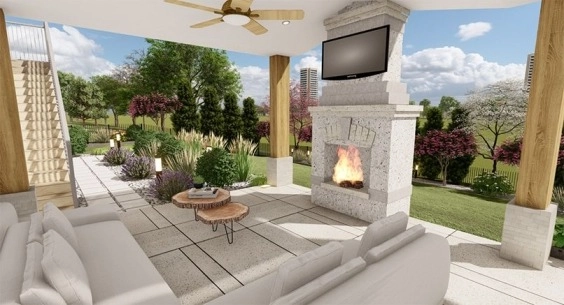
A finished, code-compliant patio helps a Front Range home sell faster because it answers the first question a Denver metro buyer asks about outdoor space: can I use this right away, or does it need work? A patio built on a properly prepared base, sized for real furniture, and finished with a durable Colorado-rated surface consistently outperforms a bare concrete slab in showing feedback.
Buyers touring in Denver, Aurora, Lakewood and Colorado Springs spend real time picturing themselves using a patio, more than they do a lawn. A patio that photographs as move-in ready removes a mental project from the buyer's list, which shortens time on market in a competitive price bracket.
Agents fielding showings in a tight Front Range price bracket report that a finished patio comes up in buyer feedback more consistently than almost any other backyard feature, ahead of landscaping alone or a lawn's condition.
Expansive clay soil under most Front Range lots requires a properly compacted base and control joints or the surface heaves and cracks within a few seasons, so hiring a qualified concrete contractor who works with Colorado clay specifically matters more here than in areas with stable soil. Ask for references from jobs at least three winters old, since freeze-thaw damage on a poorly built patio rarely shows in the first year.
A staged patio with a dining set, defined seating and a rug or outdoor mat photographs as a usable room rather than empty concrete, which matters in listing photos that get most of their views online before a buyer ever schedules a showing. Rental furniture for staging costs far less than the price difference between a staged and an empty backyard in a competitive Front Range listing.
Stamped or broom-finished concrete with proper control joints handles Front Range freeze-thaw cycling better than plain poured slabs, and pavers set on a compacted gravel base flex slightly with ground movement instead of cracking outright. Natural stone holds up well to hail but costs more upfront; concrete with a quality sealer gives most sellers the best return for the price.
Reseal a concrete or paver patio every two to three years on the Front Range, since UV and freeze-thaw cycling wear a sealer down faster here than in a milder, lower-elevation climate.
A ground-level patio does not need a permit in most Front Range cities, but a raised patio, one attached to a retaining wall over a set height, or one that changes drainage toward a neighboring property does. Check with your city or county before pouring, especially on a lot with a walkout basement below the patio level.
A patio sloped away from the foundation at roughly a quarter inch per foot keeps spring and summer storm runoff away from the house, which matters more in Colorado than the finish material does. A patio that pools water against the foundation is one of the most common issues a buyer's inspector flags during the inspection period.
A gravel or dry well drain tied to a downspout near the patio edge handles the sudden, heavy runoff a Front Range summer storm dumps in a short burst, which a standard slope alone sometimes cannot clear fast enough on a flatter city lot.
A patio built for a dining set, a grill and enough clearance to walk around both reads as functional in listing photos; anything smaller reads as decorative only. In Denver, Aurora and Colorado Springs listings, agents report that a 200- to 300-square-foot patio with defined zones for dining and lounging shows better than a larger, undefined slab.
A patio scaled to the lot, not just the house, avoids the opposite problem too: an oversized slab on a small city lot reads as overbuilt and eats into the yard space some buyers specifically want to keep open.
A stamped concrete patio on the Front Range runs roughly $12 to $20 per square foot installed, while pavers run higher. Sellers who finish a patio before listing consistently report faster offers and fewer buyer concessions tied to the backyard than sellers who leave a bare slab or dirt area.
String lighting, low-voltage path fixtures and a built-in or portable fire feature let a Front Range patio show well during evening showings, which matter since many working buyers tour after dark for part of the year. A gas fire feature needs its own permit review in most cities, while a portable fire pit sitting on the patio surface does not.
A covered patio, whether under a pergola, a solid roof extension or a retractable awning, extends usable time by blocking the intense midday sun that makes an open patio too hot to sit on for stretches of the Colorado summer. A cover also protects furniture and flooring from hail, though any roofed structure attached to the house needs a permit in most Front Range cities.
A patio costs less to install and needs less structural maintenance than a deck, since it sits on grade rather than carrying snow load on a raised frame, which makes it the lower-risk upgrade for a seller with a limited budget. A deck makes more sense on a sloped lot or over a walkout basement where a ground-level patio is not possible without significant excavation.
A small paver patio is within reach of an experienced DIY homeowner, but a poured concrete patio needs proper base compaction and control joint placement that a first attempt on Colorado's clay soil frequently gets wrong, leading to the cracking and heaving that undoes the curb-appeal benefit within a season or two. Sellers on a tight listing timeline get a more predictable result, and a warranty on the work, from a licensed local contractor than from a weekend DIY project.
Get at least two written bids before hiring, and ask each contractor how they compact and prepare the base on Front Range clay specifically, since that step, not the surface finish, determines how the patio holds up over its first several winters.
The Kenna Real Estate Group tells Front Range sellers which patio upgrades buyers respond to fastest in their specific price bracket and city, before money goes into concrete. Call or text 303-955-4220. A live person answers. Not a robot, not a phone tree. Or search every home for sale in Colorado to see how a finished patio shows in current listings.
Questions about any home in Colorado? Call or text 303-955-4220. A live person answers.
Yes. A finished, move-in-ready patio removes a project from a buyer's mental list during a showing, which consistently shortens time on market in competitive Front Range price brackets.
Stamped or broom-finished concrete with proper control joints handles Front Range freeze-thaw cycling well, and pavers on a compacted gravel base flex with ground movement instead of cracking.
A ground-level patio does not need a permit in most cases, but a raised patio, one tied to a retaining wall over a set height, or one that changes drainage toward a neighbor's lot does.
A stamped concrete patio runs roughly $12 to $20 per square foot installed on the Front Range, with pavers and natural stone costing more depending on material and labor.
A 200- to 300-square-foot patio with defined dining and lounging zones shows better in listings than a larger, undefined concrete slab.
A patio sloped away from the foundation at roughly a quarter inch per foot keeps spring and summer storm runoff away from the house, and standing water against the foundation is a common inspection flag.