New - 15 Mins Ago

$479,000
Active
4
Beds
4
Baths
1630
Sqft
0.1
Acres
8220 Chancellor Dr, Colorado Springs, CO 80920
MLS#: 7587830
.jpg)


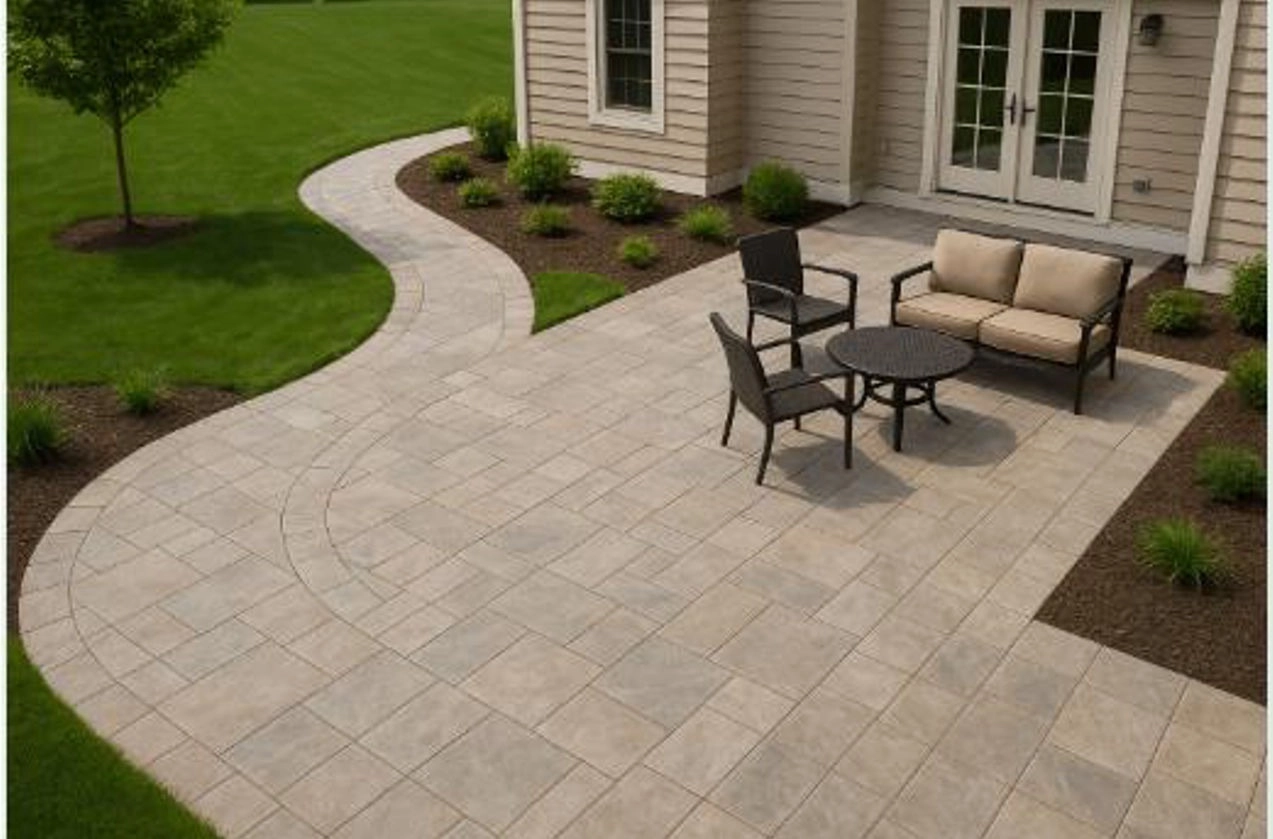
A tiled patio or walkway pays off at resale on the Front Range when the base is built for two things most patio installers elsewhere don't have to plan around: freeze-thaw cycling and expansive clay soil. Get the base right and a tiled patio is one of the more visible upgrades a Front Range home can make before listing; skip it and the same patio cracks and heaves within a few winters.
A simple at-grade patio, tile or pavers set on a compacted base with no structure attached commonly does not need a building permit in Denver, Aurora, Lakewood, Littleton, Colorado Springs or Fort Collins. A permit becomes necessary if the patio includes a covered structure, an outdoor kitchen with gas or electrical lines, or a retaining wall above a certain height. Check your specific city or county before starting; the rules on wall height and setback vary.
The Front Range goes through dozens of freeze-thaw cycles each winter, not just one hard freeze, because daytime temperatures regularly climb back above freezing even in January. Water that gets into a poorly compacted base freezes, expands, and pushes tile or pavers out of level, then repeats the next warm day. A base built for one freeze doesn't survive a season of dozens.
| Material | Hail performance | Freeze-thaw performance |
|---|---|---|
| Porcelain paver | Very durable; dense, low absorption | Excellent when properly based |
| Natural stone (flagstone) | Durable; some pitting possible over time | Good with proper base and sealing |
| Concrete paver | Durable; surface can pit under severe hail | Good; needs freeze-thaw-rated mix |
| Poured concrete slab | Durable but shows surface cracking over time | Prone to cracking without control joints |
Porcelain pavers absorb almost no water, which is exactly what limits freeze-thaw damage, making them one of the more common choices for Front Range patios installed in the last several years.
Magnesium chloride, used on Front Range roads and sometimes on driveways and walkways for de-icing, can stain and etch concrete and some natural stone if it isn't rinsed off. A patio or walkway near a driveway where de-icer gets tracked benefits from a sealed surface and a spring rinse to clear residue before it has a chance to etch the material.
Many Front Range HOAs and metro districts, especially in newer developments, require architectural review approval for a new patio, particularly if it changes the exterior footprint of the home or adds a wall or cover. Check your covenants before ordering material; our Highlands Ranch HOA rules and covenants guide walks through how that review process commonly works.
Outdoor living space is one of the features Front Range buyers actively search for, and a well-built patio extends usable square footage in a way that shows immediately in listing photos. It will not return its full cost dollar for dollar, the same way many kitchen remodels do not either, but it's one of the more visible improvements for the price, and it's the first thing many buyers see when they pull into a showing.
Colorado's roughly 300 days of sunshine a year mean outdoor living space gets used across most of the calendar, not just a few summer months, which is a different value proposition than a patio in a climate with a shorter usable season. Buyers moving from climates with less sun consistently ask about outdoor space during showings, and a finished, durable patio answers that question before it's even asked.
At-grade patios are commonly allowed closer to a property line than a structure, but setback rules still vary by city and county zoning, and a patio built too close to the line can complicate a future survey or a neighbor dispute. Check your property's specific zoning setback before finalizing the layout, especially on a corner lot or a lot with a utility easement running along one side.
Beyond base depth and compaction, keeping irrigation and downspouts from draining directly onto or under the patio limits the moisture swings that drive clay soil movement. A patio installed tight against a foundation wall without a drainage gap can also redirect water toward the house instead of away from it, which turns a patio project into a foundation problem. A contractor familiar with Front Range soil plans both the patio base and the surrounding grading together, not as separate projects.
A tiled patio bordered by xeriscaped beds, native grasses, gravel mulch and drought-tolerant plants, cuts irrigation near the patio edge, which also reduces the moisture cycling under the base that drives heaving. It's also a lower-water landscaping approach that a growing number of Front Range water providers actively encourage. A traditional turf border still works with a properly built patio base; it just needs sprinkler heads angled away from the patio edge rather than across it.
A walkway from the driveway or street to the front door commonly runs 3 to 4 feet wide, wide enough for two people to walk side by side, which reads as more finished in listing photos than a narrower path. Match the walkway material to the patio material where the two connect visually, since a mismatched transition is one of the small details buyers notice walking up to a showing. A curved or angled layout, rather than a straight line from curb to door, is a common way Front Range landscape designers add visual interest without adding much to the material cost.
If a patio or walkway upgrade is part of your plan to sell a Front Range home, the Kenna Real Estate Group can tell you what outdoor improvements your buyer pool actually values. Call or text 303-955-4220. A live person answers. Not a robot, not a phone tree. Or search every home for sale in Colorado.
Questions about any home in Colorado? Call or text 303-955-4220. A live person answers.
A porcelain or concrete paver patio commonly runs $15 to $35 per square foot installed, depending on material and base prep; natural stone runs higher. Get a local quote for your specific footprint.
They can if the base isn't compacted and drained properly below frost depth; a correctly built base is the single biggest factor in whether a Front Range patio survives its first few winters.
Base depth depends on the local frost depth and soil type; a contractor familiar with expansive clay soil in your specific county will size the base to your site.
Smaller paver patios are a common DIY project; larger patios, ones on sloped or heavily expansive soil, or projects involving retaining walls are best handled by a contractor experienced with Front Range soil conditions.
A simple at-grade patio commonly does not need a permit regardless of attachment; a covered structure, outdoor kitchen or tall retaining wall commonly does. Confirm with your local building department.
Dense porcelain pavers and quality concrete pavers hold up well to hail; poured concrete and softer natural stone can show more surface wear over repeated hail seasons.