New - 30 Mins Ago

.jpg)


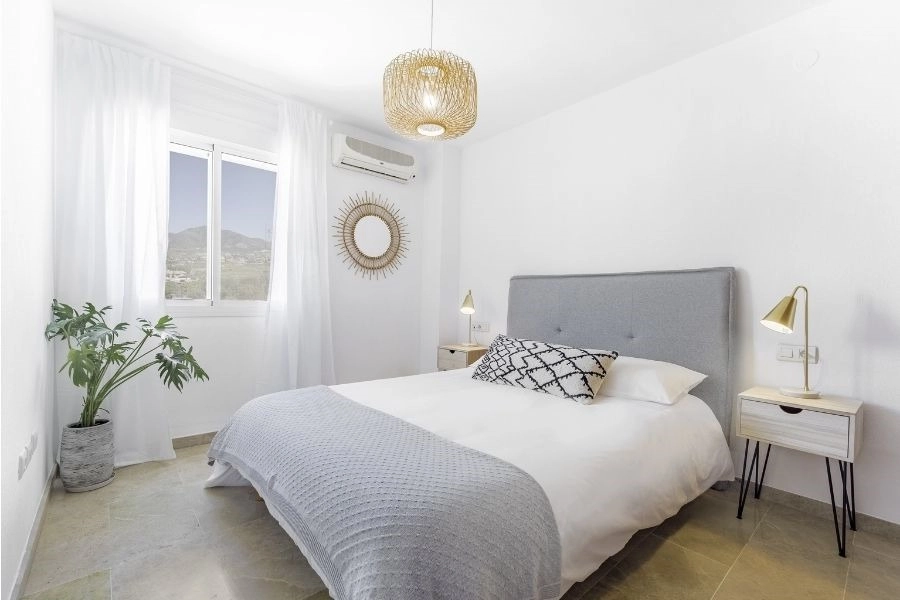
Short-term rental guests judge a listing on cleanliness, furniture quality and small extras, but before any upgrade matters, the property needs to be legally allowed to operate as an Airbnb in its city or county. Three practical upgrades — deep cleaning on a fixed schedule, durable furniture suited to Colorado's climate, and a stocked kitchen — raise reviews and nightly rate once that legal question is settled, and Colorado's climate makes two of the three different from what a host in a milder state deals with.
Denver limits short-term rental licenses to a host's primary residence, one license per property, with a lodger's tax collected on every booking. Colorado Springs, Boulder and most mountain counties set their own separate rules, and several mountain communities cap the total number of STR licenses issued in a given area. Confirm your property's zoning and licensing status with the city or county before spending on upgrades meant for paying guests.
A professional cleaning crew between every stay costs $100 to $250 depending on unit size, and it's the single upgrade with the most direct effect on review scores. Colorado adds two cleaning challenges most markets don't have: pollen season from April through June and wildfire smoke that settles indoor dust during late-summer fire season. Change HVAC filters monthly during those stretches instead of quarterly.
Colorado's intense UV exposure at 5,280 feet fades upholstery and wood finishes faster than at sea level, so furniture facing a south- or west-facing window needs UV-resistant fabric or window treatments to protect the investment. Choose performance fabrics rated for high sun exposure over anything marketed for a coastal climate.
Guests unfamiliar with cooking at altitude appreciate a printed note on baking adjustments, since standard recipes need changes above 5,000 feet. Stock coffee, filtered water (many guests notice Front Range tap water's mineral taste), and a few high-altitude snack staples like electrolyte packets, since many new arrivals from lower elevations feel the altitude the first day.
Yes. Front Range and mountain-town data both show furnished, professionally staged short-term rentals commanding a meaningfully higher nightly rate than comparable units with dated furniture, and the gap widens in a saturated ski-town market. Photos matter as much as the furniture itself: listings shot in good natural light during Colorado's roughly 300 sunny days a year outperform the same unit photographed on a gray day, so schedule a photo refresh for a clear morning rather than whenever a cleaning crew happens to finish.
Denver requires proof of primary residence, a business license, and lodger's tax registration before a listing goes live. Operating without a license risks fines and platform delisting, both of which cost more than the upgrades this article recommends.
Replace towels every 12 to 18 months and sheets every 18 to 24 months with regular turnover use, sooner if guests mention wear in reviews. This is a lower-cost, higher-frequency upgrade than furniture and shows up directly in review language about fresh or worn linens.
A simple indoor air quality monitor lets you message guests proactively during a smoke event and shows you're managing a known Colorado seasonal issue instead of ignoring it. It's a low-cost upgrade that heads off a bad review during a bad-air week that isn't the property's fault.
Summit, Eagle, Pitkin and Grand counties each run their own licensing system separate from Denver's, and several mountain towns cap total STR permits or tie new licenses to a waitlist. Some ski-area jurisdictions charge an annual STR excise tax on top of state and local lodging tax. Check the specific county and town code before assuming a rule that applies in Denver applies in a mountain community, since the two systems don't overlap.
A realistic starting budget runs $1,500 to $4,000 for a full linen refresh, a few pieces of UV-resistant furniture, a stocked-kitchen welcome basket and an air quality monitor, spread across a property's first year of hosting. Prioritize the upgrades in order: confirm licensing first, then cleaning consistency, then furniture and kitchen extras, since a licensing problem shuts the listing down regardless of how well-furnished it is.
| Upgrade | Cost range | Effect |
|---|---|---|
| Professional cleaning per turnover | $100-$250 | Directly raises review scores |
| UV-resistant furniture/window treatment | Varies by room | Protects furniture investment |
| Kitchen stocking + altitude note | Under $50/stay | Improves guest experience reviews |
| Indoor air quality monitor | $100-$300 one-time | Manages wildfire-smoke complaints |
The Kenna Real Estate Group helps short-term rental owners confirm licensing status before they buy or list, and connects owners with vetted Front Range cleaning and furnishing vendors who already know the altitude and climate quirks this article covers. Call or text 303-955-4220. A live person answers. Not a robot, not a phone tree. Or search every home for sale in Colorado.
Questions about any home in Colorado? Call or text 303-955-4220. A live person answers.
Check first. Denver limits licenses to a host's primary residence; Colorado Springs, Boulder and mountain counties each set their own separate rules, and some mountain communities cap the number of licenses issued.
Between every stay, at $100 to $250 depending on unit size, with HVAC filters changed monthly during pollen season and wildfire smoke season.
Yes. Late-summer fire season settles indoor dust and smoke residue, which is why more frequent filter changes and an air quality monitor help during that stretch.
Yes. Intense UV at 5,280 feet fades upholstery and wood finishes faster than at sea level, so south- and west-facing rooms need UV-resistant fabric or window treatments.
Coffee, filtered water and a few electrolyte or snack staples, plus a printed note on baking adjustments since standard recipes need changes above 5,000 feet.
Proof of primary residence, a business license and lodger's tax registration before the listing goes live.
Yes, on both the Front Range and in mountain towns, and the gap widens in saturated ski-town markets where guests have more listings to choose from.
Summit, Eagle, Pitkin and Grand counties each run separate licensing systems, some with permit caps or waitlists and an added STR excise tax on top of lodging tax.


