New - 15 Mins Ago

.jpg)


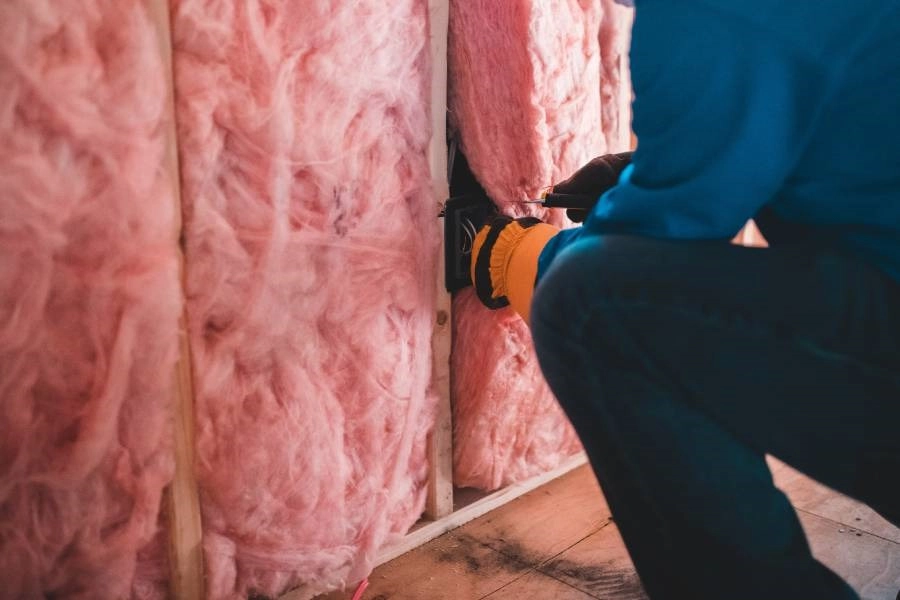
Skip the DIY attic insulation project in any Front Range home built before 1990. The real risk is not the material itself; it is what a homeowner disturbs opening up an attic hatch in a house old enough to have vermiculite insulation, knob-and-tube wiring, or a roof deck already showing ice-dam damage.
A large share of the vermiculite insulation sold across the country before 1990 came from a mine in Libby, Montana, that carried naturally occurring asbestos fibers. Denver, Aurora, Lakewood, and Colorado Springs all have neighborhoods full of homes from the 1950s through the 1980s, and a pebbly gray-brown loose-fill insulation in the attic is the visual clue. Testing a sample before touching it, through a certified lab, settles the question for $30 to $60 rather than guessing.
Disturbing vermiculite insulation, by bagging it, vacuuming it, or even walking through it to reach a duct, releases fibers into the air a homeowner then breathes for hours afterward in an enclosed attic space. A licensed asbestos abatement contractor uses negative-air containment, HEPA filtration, and disposal through a certified facility, none of which a homeowner can replicate with a shop vac and a dust mask. The Colorado Department of Public Health and Environment certifies asbestos contractors and inspectors in the state; a homeowner can confirm a contractor's certification before hiring, a step worth taking alongside the rest of the preparing and adding value before selling checklist.
Denver's adopted energy code calls for R-49 attic insulation in new construction and major renovations, reflecting climate zone 5B's cold winters and hot, dry summers. Many Front Range homes built before the 2000s sit well below that, in the R-19 to R-30 range, which shows up as a January heating bill running higher than a neighbor's newer-built home on the same block.
An ice dam forms when heat escaping through an under-insulated attic melts roof snow from underneath, the meltwater runs down to the unheated eave, and refreezes into a ridge that backs water up under the shingles. Adding insulation without addressing attic ventilation and air sealing at the same time can make an ice dam worse, not better, by trapping more heat against a cold roof deck instead of keeping the whole attic uniformly cold. A qualified insulation contractor checks soffit and ridge ventilation as part of the same job.
Colorado's low humidity keeps most attics dry, but a bathroom exhaust fan or kitchen vent that terminates inside the attic instead of through the roof introduces enough moisture to condense on cold framing in winter and grow mold in insulation. A DIY insulation job that buries an improperly vented fan duct hides this problem instead of fixing it.
Blown-in fiberglass or cellulose insulation to bring an attic up to R-49 runs $1,800 to $4,500 for a typical 1,500 to 2,500 square foot Front Range home, depending on current depth and attic accessibility. Spray foam costs more, roughly $2 to $4 more per square foot than blown-in, but adds air sealing in the same step. Vermiculite testing and, if positive, professional abatement adds $1,500 to $6,000 or more before new insulation goes in, depending on attic size and access.
Xcel Energy offers rebates for qualifying attic insulation upgrades performed by a participating contractor, along with home energy audits that identify where a house is losing heat. Because rebate amounts and program rules change, a Front Range homeowner should confirm current terms directly with Xcel Energy or a participating contractor before scheduling the work, and keep the pre-work energy audit on file for the rebate application; the Denver utility providers and costs guide lists current programs.
Standard attic insulation, blown-in or batt, does not require a building permit in Denver or most Front Range cities. A permit becomes necessary if the job involves new electrical work near recessed lighting, structural changes to roof ventilation, or spray foam application that affects fire-rating requirements around chimneys and flues. A licensed contractor knows which parts of a given job cross that line.
A Front Range home inspector notes visible attic insulation depth, gaps around the attic hatch, and any staining that points to a past ice dam or roof leak. Low insulation alone rarely stops a sale, but combined with knob-and-tube wiring or a suspected vermiculite attic, it becomes a repair negotiation during Colorado's standard inspection objection window, the first 10 days after an accepted contract in most purchase agreements.
Upgraded attic insulation is not a glamour renovation, but it shows up in a lower utility bill a buyer's agent can point to, and a clean energy-audit report removes a question mark from a Front Range listing. Sellers of pre-1990 homes benefit from testing for vermiculite ahead of listing so the answer to a buyer's question is a lab result, not a guess, the kind of detail a Smart Pricing Report flags before a home goes live.
Closed-cell spray foam air-seals and insulates in one step, which matters most in older Front Range homes with leaky attic penetrations around plumbing stacks, wiring, and can lights. Blown-in fiberglass or cellulose costs less and covers a standard attic floor well, but it does not stop air movement through gaps the way spray foam does. On a home with a complex roofline or a finished attic knee wall, the air-sealing advantage of spray foam pays for itself faster in a climate with 40-degree daily swings pushing air through every unsealed gap.
Water pipes that run through an uninsulated or under-insulated exterior wall or an unheated crawlspace freeze on a single-digit Front Range night at a far higher rate than pipes in a well-insulated wall cavity. A frozen and burst pipe inside a finished wall turns a $200 insulation fix into a five-figure water damage claim. Homes with pipes on an exterior wall benefit from both wall insulation and pipe-specific foam sleeves as cheap insurance before the first hard freeze, a detail worth checking against a lender's requirements through Kenna Credit Care mortgage readiness.
Colorado Springs and El Paso County adopt their own version of the International Energy Conservation Code on their own timeline, which can run a code cycle behind or ahead of Denver's adopted version. The R-49 attic target is close across most Front Range jurisdictions because they share the same climate zone, but a homeowner pulling a permit for insulation-adjacent electrical or structural work should confirm the current adopted code with the specific city or county rather than assuming Denver's requirement applies county to county.
Buying an older Front Range home with a vermiculite attic, or selling one and wondering what to disclose, the Kenna Real Estate Group has walked this exact question with Denver metro buyers and sellers before. Call or text 303-955-4220. A live person answers. Not a robot, not a phone tree. Ready to browse instead? Search every home for sale in Colorado.
Questions about any home in Colorado? Call or text 303-955-4220. A live person answers.
Loose-fill, pebbly gray-brown insulation in an attic built before 1990 is the visual clue. A certified lab test on a small sample, $30 to $60, confirms whether asbestos is present before anyone disturbs it.
Denver's adopted energy code calls for R-49 in new construction and major renovations, reflecting climate zone 5B. Many older Front Range homes sit at R-19 to R-30.
Only when paired with proper attic ventilation and air sealing. Insulation alone, without addressing soffit and ridge venting, can trap heat against the roof deck and make an ice dam worse.
Blown-in fiberglass or cellulose to reach R-49 runs $1,800 to $4,500 for a typical 1,500 to 2,500 square foot home. Spray foam adds $2 to $4 more per square foot.
Standard blown-in or batt insulation does not require a permit in Denver or most Front Range cities. Electrical work near recessed lighting or spray foam near flues can require one.
Xcel Energy offers rebates for qualifying insulation upgrades through participating contractors, along with home energy audits. Confirm current terms before scheduling the work.
Yes. An inspector notes insulation depth and any staining from past ice dams, and combined with suspected vermiculite or old wiring it becomes a repair negotiation during the inspection objection period.
The Colorado Department of Public Health and Environment certifies asbestos contractors and inspectors statewide. Confirm a contractor's certification before hiring for testing or removal.


