New - 15 Mins Ago

.jpg)


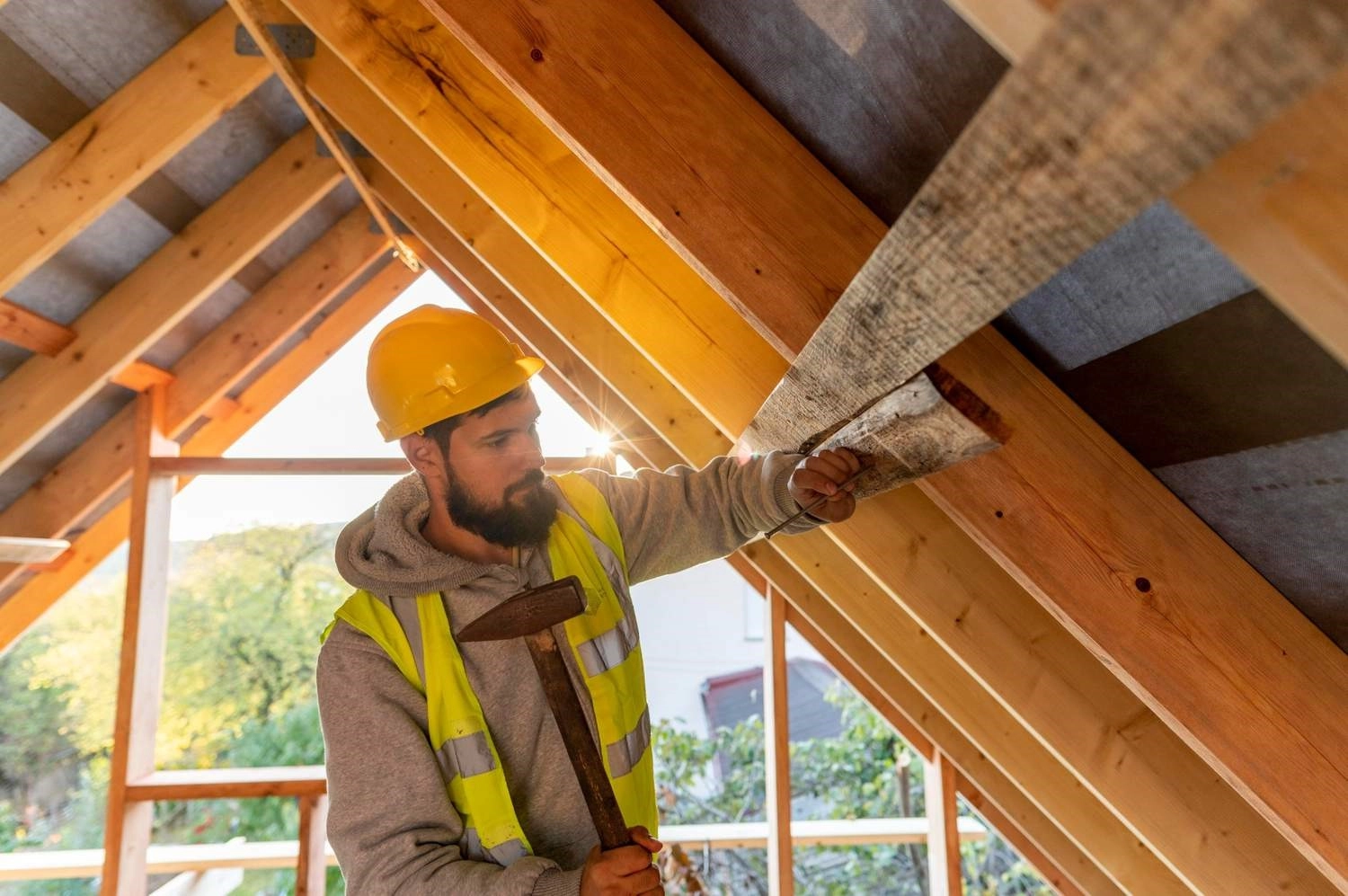
An under-insulated attic is the single biggest source of winter heat loss and summer heat gain in a Front Range home, since heat rises straight out through the roof deck when insulation falls short of code. Colorado's cold winter nights, 40-degree daily swings and intense summer sun on the roof make attic insulation one of the highest-return energy upgrades a Denver metro homeowner can make.
Front Range building codes call for attic insulation in the R-49 to R-60 range for most Denver metro jurisdictions, which translates to roughly 14 to 20 inches of blown-in fiberglass or cellulose depending on the product's R-value per inch. Many Front Range homes built before the current energy code sit at R-19 to R-30, well under that target.
An ice dam forms when heat escaping through an under-insulated attic melts snow on the upper roof, and that meltwater refreezes at the cold eave, building a ridge of ice that backs water up under shingles. Bringing attic insulation up to code, combined with proper ventilation, keeps the roof deck at a consistent temperature and stops the melt-refreeze cycle that causes most Front Range ice dams.
Blown-in attic insulation for a 1,500 to 2,000 sq ft attic runs $1,800 to $4,500 in the Denver metro depending on the current insulation depth, attic accessibility and whether old insulation needs removal first. Spray foam costs more, running $4,500 to $9,000 for the same square footage, but adds air sealing that blown-in insulation alone does not.
Xcel Energy runs seasonal rebate and instant-discount programs for attic insulation upgrades on Colorado homes; program amounts and qualifying R-value thresholds change from year to year, so check the current program directly with Xcel Energy or an insulation contractor who confirms the active rebate before the job starts.
Front Range roofs absorb intense summer sun, and an under-insulated attic pushes that heat straight down into the living space below, forcing air conditioning to run longer. Bringing an attic up to R-49 or higher cuts that heat transfer and reduces cooling run time on the hottest summer afternoons.
Blown-in fiberglass and cellulose both perform well in Colorado's dry climate since moisture is rarely the limiting factor the way it is in humid regions; the choice comes down to R-value per inch, attic depth available, and whether air sealing is needed first. TLS Insulation and similar contractors evaluate existing attic depth and recommend blown-in versus spray foam based on the specific roof and ventilation setup; homeowners are free to use any licensed insulation contractor for this work.
Existing fiberglass or cellulose in good condition, without moisture damage or pest contamination stays in place in most attics, with new insulation blown on top to reach the target R-value. Insulation with visible mold, rodent damage or water staining should come out first, which adds to the project cost and timeline.
Standard attic insulation top-ups do not require a separate building permit in most Front Range jurisdictions. Attic ventilation changes, electrical work near recessed lighting, and structural changes to roof framing do require a permit, so check with the local building department before starting those parts of the project.
Blown-in fiberglass and cellulose hold their R-value for 20 to 30 years when kept dry and undisturbed, though settling reduces effective depth over time, which is why many Front Range attics originally insulated to code now test below it.
Insulation without proper soffit and ridge ventilation traps moisture in the attic, which can lead to mold on the roof deck and reduced insulation performance over time. A qualified contractor checks ventilation airflow before adding insulation, not after, since blocking existing vents with new insulation creates a new problem.
Icicles or ice dams at the eaves in winter, uneven snow melt on the roof showing warm spots, high winter heating bills relative to home size, and a hot second floor in summer all point to insulation below the current code target. TLS Energy Savers and comparable contractors offer attic inspections that measure existing R-value against the current Front Range target before recommending a scope of work.
Front Range days that swing 40 degrees between morning and afternoon put attic framing and insulation through repeated thermal stress, and gaps around can lights, attic hatches and plumbing stacks let conditioned air escape faster during those swings. Air sealing those penetrations before adding insulation stops that loss at the source. Homeowners outside the Front Range weighing attic insulation services from a contractor like TLS Energy Savers should confirm local code requirements, since Colorado's climate zone and R-value targets differ from other regions; again, any licensed insulation contractor can do this work.
A documented, code-level attic insulation upgrade shows up as a energy-efficiency selling point in a Front Range listing and reduces buyer concerns about winter heating costs during a showing. The Preparing and Adding Value Before Selling guide covers which energy upgrades buyers ask about most.
A remodel that opens up the attic, adds dormers, or finishes attic space into living area triggers the current Colorado energy code's insulation requirements for that jurisdiction, not the R-value the home had when it was built. A permit reviewer checks the proposed R-value against the current code before signing off, so a remodel is the point to bring the whole attic up to standard, not just the new section.
Ask a prospective contractor for the R-value they plan to install, whether the quote includes air sealing before insulation goes in, and how they handle existing insulation that shows moisture or pest damage. A written scope with the target R-value listed protects a homeowner if the finished project falls short of the number quoted.
A whole-home energy audit measures air leakage across the entire house, not just the attic, and pinpoints where conditioned air escapes through rim joists, crawl spaces and window seals in addition to the attic. Homeowners deciding between a targeted attic upgrade and a full audit should weigh the audit cost, $200 to $600 in most Front Range markets, against the value of a complete priority list instead of a single fix.
Front Range homes with a bonus room over the garage or a finished attic space with knee walls need insulation at the knee wall, the sloped ceiling and the small attic pockets behind the knee wall, not just the main attic floor. Missing any one of those three surfaces leaves a gap that undercuts the R-value of the rest of the room.
The Kenna Real Estate Group points Front Range buyers and sellers to which insulation upgrades matter most for winter comfort and resale. Call or text 303-955-4220. A live person answers. Not a robot, not a phone tree. Search every home for sale in Colorado.
Questions about any home in Colorado? Call or text 303-955-4220. A live person answers.
Most Denver metro jurisdictions call for R-49 to R-60, roughly 14 to 20 inches of blown-in insulation depending on the product.
Yes, combined with proper ventilation. Ice dams form when attic heat loss melts roof snow that refreezes at the cold eave; code-level insulation keeps the roof deck temperature consistent.
Blown-in insulation for a 1,500 to 2,000 sq ft attic runs $1,800 to $4,500; spray foam runs $4,500 to $9,000 for the same area.
Xcel Energy runs seasonal rebate programs with amounts that change year to year; confirm the current program before budgeting one in.
Insulation in good condition without moisture or pest damage stays in place in most attics, with new insulation added on top.
Standard top-ups do not need a separate permit. Ventilation or electrical changes do need one, so check with the local building department first.
20 to 30 years when kept dry, though settling reduces effective depth over time.
Ice dams, uneven roof snow melt, high winter heating bills relative to home size, and a hot second floor in summer.