New - Just Now

.jpg)


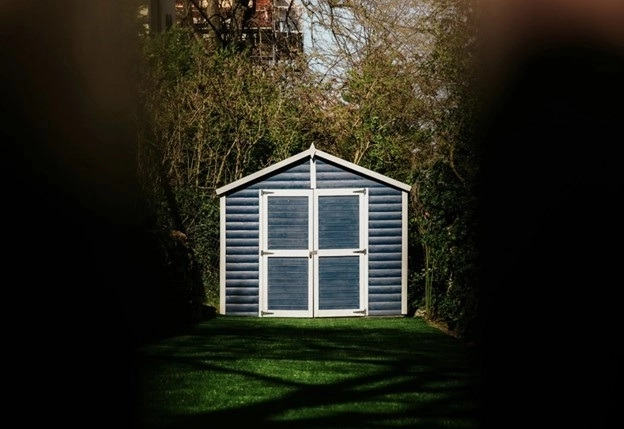
A shed under 120 square feet skips a building permit in Denver and in most Front Range cities, but it still has to meet setback and HOA rules. Above that size, plan on a permit, an engineered foundation for Colorado's clay soils, and a roof built for snow load and hail.
Denver does not require a building permit for a detached accessory structure under 120 square feet that sits at ground level with no plumbing or permanent electrical service. Above 120 square feet, or with any electrical run to it, Denver requires a permit and a zoning review. Aurora, Lakewood, Colorado Springs, Littleton, and most Front Range cities set their own thresholds, commonly between 100 and 200 square feet, so check the specific city or county building department before ordering a shed rather than assuming Denver's number applies everywhere.
Most Front Range cities require a shed to sit at least 3 to 5 feet from a side or rear property line, with larger setbacks in some zoning districts or on corner lots. Unincorporated county land, including parts of Jefferson, Douglas, and Arapahoe counties, sets its own setback and height rules that differ from the nearest city. A survey or plat map settles the exact line before a shed goes in; a structure built over the line becomes a dispute at closing when a title company or buyer's surveyor finds it.
An HOA or metro district can restrict a shed beyond what the city allows: approved colors, roofing material, maximum footprint, or a flat prohibition on any freestanding structure visible from the street. Highlands Ranch, most Castle Rock and Parker communities, and many newer Front Range subdivisions run architectural review through the HOA, and a shed installed without that approval can trigger a fine or a removal order. Submit the shed's dimensions, materials, and a site plan to the architectural review committee before purchase, not after delivery; the Denver HOA rules and fees guide covers how that review works.
A storage shed with no living space, plumbing, or permanent power is not an accessory dwelling unit under Denver's zoning code. Once a structure adds a bathroom, kitchen facilities, or is used for overnight stays, it crosses into ADU territory, covered in the Denver ADU, zoning, and historic district guide, which brings a separate permitting, parking, and utility connection process. A shed with a workbench and shelving stays a shed; a shed with a sink and a sleeping loft does not.
Denver's building code sets a ground snow load design value around 30 pounds per square foot, and mountain-adjacent areas west of C-470 and in Jefferson County run higher. A flat or low-pitch shed roof rated for less than that will sag or collapse under a heavy March snowstorm, the kind that dumps 12 to 24 inches in a single event. A 4:12 pitch or steeper metal or asphalt roof sheds snow before it accumulates to a dangerous load; a flat resin roof on a basic kit shed is not built for Front Range totals.
Colorado's hail season runs from spring through September, and the Front Range sits inside one of the country's most active hail corridors. A Class 4 impact-rated metal or architectural shingle roof resists denting and puncture far better than a thin resin panel or standard three-tab shingle. The cost difference on a shed roof runs a few hundred dollars over a basic panel, small next to replacing a caved-in roof after a single storm.
Much of the Front Range sits on bentonite clay that expands when wet and contracts when dry, and a shed set on a simple gravel pad without a proper base can heave, crack, or settle unevenly within a few seasons. A compacted gravel bed at least 4 inches deep, or a floating concrete slab with control joints, handles seasonal soil movement far better than bare ground or a few concrete blocks. On a lot with known expansive soil, a local foundation contractor can confirm the right base before the shed arrives.
Front Range wind gusts regularly exceed 50 mph, especially along the foothills corridor from Golden through Boulder County. A shed without ground anchors or a fastened foundation connection can shift or tip in a strong downslope wind event. Auger anchors or a bolted sill plate on a concrete pad keep a lightweight shed in place through a Chinook wind event.
A basic 8x10 resin or vinyl shed installed in the Denver metro runs $2,000 to $4,000. A wood-framed shed with a shingled, snow-rated roof runs $4,000 to $9,000 for a similar footprint. A larger 12x16 wood shed built to permit standards, with an engineered foundation, runs $9,000 to $18,000 depending on siding and roofing choices. Add $500 to $1,500 for a compacted gravel or concrete pad on clay soil.
A well-built, permitted shed in good condition is a mild positive at resale on the Front Range, mainly because it solves a storage problem for the next buyer without them building one. An unpermitted shed over the local size threshold, or one placed inside a setback, becomes a disclosure item and can hold up closing until it is either permitted retroactively or removed. Sellers preparing to list should confirm shed permit status and HOA approval before the home goes under contract, one line on the broader preparing and adding value before selling checklist.
A single Front Range day can swing 40 degrees or more between morning and afternoon, and that cycle repeats through fall and spring. Solid wood siding and galvanized steel panels handle that expansion and contraction better over time than thin vinyl or resin panels, which can warp or crack at the seams after several years of swings plus UV exposure at altitude.
On acreage outside city limits, a shed or barn needs a setback from a septic tank and leach field, commonly 10 feet from the tank and 10 to 25 feet from the drain field depending on the county. Building over or too close to a septic system damages the field and complicates any future repair or replacement. A county health department septic record, pulled before a shed goes in, shows the exact location of the buried system on rural Douglas, Elbert, and Weld County parcels, relevant on any Colorado horse property search.
A Front Range home inspector notes shed foundation cracks, roof sag, door and window seal condition, and any sign of water intrusion at the base. On an older shed, the inspector also flags exposed wiring run without conduit and any structure that appears to exceed the local permit-free size threshold. None of these findings stop a sale on their own, but each one becomes a line item a buyer can raise during Colorado's standard inspection objection window, the first 10 days after an accepted contract in most purchase agreements.
Selling a Front Range home with a backyard shed, or buying one and wondering what storage question to ask first, the Kenna Real Estate Group checks permit history and HOA status before it becomes a closing surprise. Call or text 303-955-4220. A live person answers. Not a robot, not a phone tree. Ready to browse instead? Search every home for sale in Colorado.
Questions about any home in Colorado? Call or text 303-955-4220. A live person answers.
Not under 120 square feet with no plumbing or permanent electrical service. Above that size, or with an electrical run, Denver requires a permit and zoning review.
Denver's design value is around 30 pounds per square foot, higher in mountain-adjacent areas. A 4:12 pitch or steeper metal or shingle roof sheds snow before it builds to a dangerous load.
Yes. Colorado's hail season runs from spring through September and the Front Range sits in an active hail corridor. A Class 4 impact-rated roofing material resists dents and punctures far better than thin resin panels.
A compacted gravel bed at least 4 inches deep or a floating concrete slab with control joints handles the expansion and contraction of Front Range bentonite clay soils better than a shed set on bare ground.
No, as long as it has no plumbing, kitchen facilities, or overnight sleeping use. Adding those features moves a structure into ADU territory with its own permitting process.
Many Front Range HOAs and metro districts set approved colors, materials, and footprints for sheds, or prohibit them outright. Submit a site plan to the architectural review committee before buying a shed.
A basic 8x10 resin shed runs $2,000 to $4,000. A wood-framed, snow-rated shed of similar size runs $4,000 to $9,000, and a larger permitted 12x16 wood shed runs $9,000 to $18,000.
An unpermitted shed over the local size threshold, or one placed inside a required setback, becomes a disclosure item and can delay closing until it is permitted retroactively or removed.