New - 6 Hours Ago

$395,000
Active
3
Beds
3
Baths
1431
Sqft
0.06
Acres
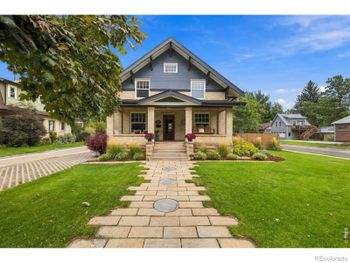
730 Ponderosa Dr #M, Fort Collins, CO 80521
MLS#: IR1070950
.jpg)


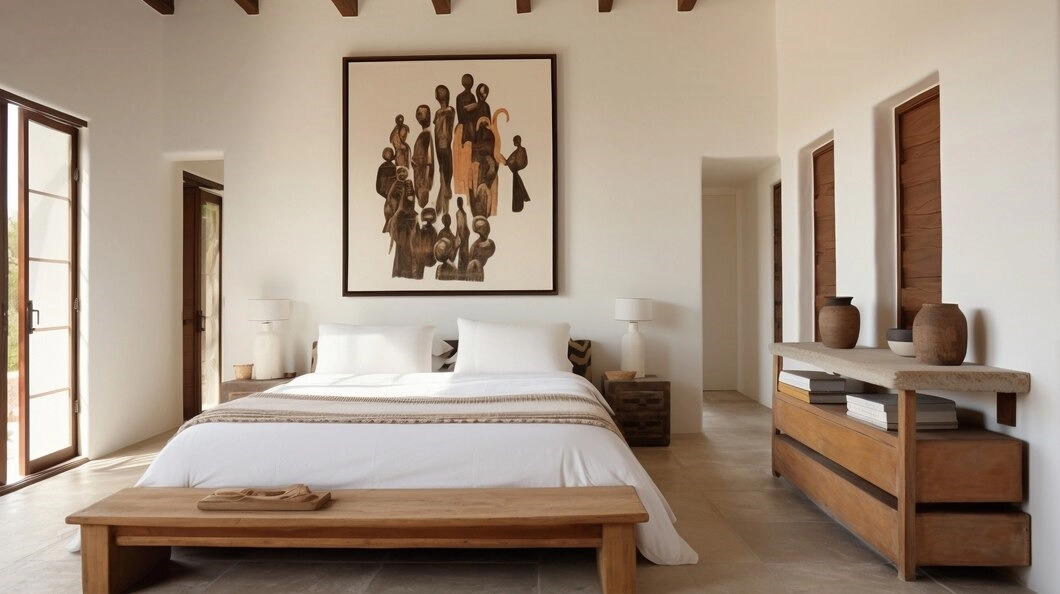
A solid wood bed frame in a Colorado home has to survive something most furniture guides never mention: winter indoor humidity that regularly drops to 10% to 25% at 5,280 feet, which dries out joints, glue lines and finishes faster than almost anywhere else in the country. Getting the wood species, joinery and finish right matters more here than in a coastal or humid climate.
Wood is hygroscopic: it absorbs and releases moisture with the air around it, expanding and contracting as it does. Along the Front Range, forced-air furnaces run for months at a time and strip what little outdoor humidity Colorado's roughly 300 sunny days a year already leave behind. Indoor relative humidity in a heated Denver, Aurora or Fort Collins home commonly sits in the 10% to 25% range from November through March. Wood that was built or finished in a wetter climate keeps shrinking after it arrives here, and that shrinkage shows up first at the joints.
A bed frame takes repeated lateral stress every time someone gets in or out of bed, so any joint that has already shrunk from dry air starts working loose faster than a stationary piece like a dresser. Mortise-and-tenon and dovetail joints, which rely on a tight friction fit plus glue, tolerate Colorado's dry winters far better than dowel joints or cam-lock hardware, which depend on the wood staying close to its original dimension to hold tension. Ask a retailer directly what joinery method a frame uses before buying; a frame built with true mortise-and-tenon rails needs re-tightening less over five winters than one held together with dowels and glue alone.
Solid wood queen bed frames sold through Colorado furniture retailers run $600 to $2,500 depending on wood species and joinery, with hand-finished hardwood frames at the top of that range and pine or engineered-wood-and-veneer frames at the bottom. Set a number before shopping, and treat joinery quality and wood species as the two line items worth spending more on, since those are what determine whether the frame is still solid in five winters. Retailers like the timber bed frame collection at theacaciatree.com.au and Isaak.com.au list solid wood construction and joinery details on the product page, which is the information worth comparing across any retailer.
Standard U.S. mattress sizes (twin, full, queen, king, California king) do not always match a frame's interior rail dimensions exactly, and the gap matters more once wood has contracted from a Colorado winter. Measure the mattress, not just the size label, and confirm the frame's listed interior dimensions before ordering. A frame built slightly loose in a humid climate can end up with real play once it dries out here, so a snug fit at purchase leaves margin for that shrinkage.
Oak and maple are dense hardwoods that hold their dimension and their joints better than softer woods once humidity swings. Walnut performs similarly and is common in mid-century and modern Front Range interiors. Pine and other softwoods cost less but move more with humidity changes and show dents and scratches sooner, which matters if the bed frame will still be in the home during a future sale. For a frame that has to survive repeated Colorado heating seasons without loosening, hardwood is worth the added cost over a softwood frame at a similar price point after accounting for how the softwood is built with lighter joinery to begin with.
At 5,280 feet, unfiltered sunlight carries more UV than the same window would deliver at sea level, and a west-facing bedroom window in a Denver metro or Colorado Springs home puts direct afternoon sun on any furniture nearby for a large part of the year. Finished or painted wood offers real protection against UV fading and against the moisture swings that dry out unfinished wood fastest. If the room has a west-facing window, choose a frame with a full finish coat rather than raw or lightly oiled wood, and add a UV-filtering window film or blackout shade if the frame sits directly in the light path.
Bed height affects whether there is room for under-bed storage, which is worth considering in Denver metro homes where secondary bedrooms run smaller than a primary suite. Headboard and footboard style set the tone of the room in listing photos if the home ever goes on the market, and a simple, neutral wood tone photographs more consistently across different rooms and lighting than a heavily carved or dark-stained piece. Check the finish on the joints themselves, not just the visible surfaces; a sealed joint resists moisture loss better than an unfinished one hidden under the mattress.
A whole-home or room humidifier that keeps indoor relative humidity closer to 30% to 40% during heating season slows the drying that loosens joints and cracks finishes on solid wood furniture, including a bed frame. It will not eliminate the effect of a Front Range winter entirely, but it narrows the swing the wood experiences year to year, which is the main driver of loose joints and hairline cracks in finished wood.
Late-summer wildfire smoke and spring dust events along the Front Range add fine particulate that settles on furniture finishes over time, and an open window during a smoke advisory brings that particulate straight onto a wood surface. Wiping a wood bed frame with a dry microfiber cloth rather than a wet one during dry season protects the finish, since introducing moisture unevenly to a surface that has already dried out can raise the grain and dull a finish faster than dust alone would.
Buyers touring a listing form an impression of a bedroom in the first few seconds, and a solid wood frame in a neutral tone reads as more finished than a low frame with a fabric or metal headboard in most Front Range markets. It is a small detail compared to paint, lighting and decluttering, but it is one more piece of a staged bedroom that photographs well for a listing and holds up during showings without wobbling or squeaking.
| Wood | Dry-climate durability | Typical cost range |
|---|---|---|
| Oak | Excellent, holds joints well | $900 to $2,500 |
| Maple | Excellent, dense and stable | $800 to $2,200 |
| Walnut | Very good, common in modern designs | $1,200 to $2,800 |
| Pine | Fair, moves more with humidity swings | $600 to $1,200 |
Local furniture retailers across Denver, Aurora, Lakewood and Colorado Springs carry hardwood bed frames built for four-season climates, and it is worth asking any retailer directly how the frame is joined and finished before buying, whether shopping locally or through an online retailer. Comparing joinery and wood species across a few options, rather than shopping on price alone, is the detail that determines whether the frame is still solid after several Colorado winters.
The Kenna Real Estate Group helps Front Range buyers and sellers get a home's bedrooms and living spaces ready for listing photos and showings, down to details like furniture that holds up to Colorado's dry winters. Call or text 303-955-4220. A live person answers. Not a robot, not a phone tree. Ready to see what is on the market? Search every home for sale in Colorado.
Questions about any home in Colorado? Call or text 303-955-4220. A live person answers.
Yes. Indoor humidity commonly falls to 10% to 25% during a Front Range winter, and wood absorbs and releases moisture with the air around it, which loosens joints and glue lines over time.
Oak, maple and walnut are dense hardwoods that hold their dimension and their joints better than pine or other softwoods once indoor humidity drops during heating season.
Mortise-and-tenon or dovetail joints hold a tight fit better than dowel joints or cam-lock hardware once the wood shrinks slightly in dry indoor air.
A west-facing window at 5,280 feet delivers stronger UV exposure than the same window at sea level, so a finished frame plus a UV-filtering shade protects the wood from fading and drying unevenly.
Keeping indoor relative humidity closer to 30% to 40% during winter slows the shrinkage that loosens joints and cracks finishes on solid wood furniture.
Solid hardwood queen frames run $900 to $2,500 depending on wood species and joinery, while pine or veneer frames run $600 to $1,200.
A neutral, solid wood frame photographs more consistently than a low fabric or metal headboard and adds to a bedroom's finished look during showings.
Fine particulate from late-summer smoke or spring dust settles on finishes, so wiping with a dry microfiber cloth protects the wood better than a wet cloth on an already dry surface.