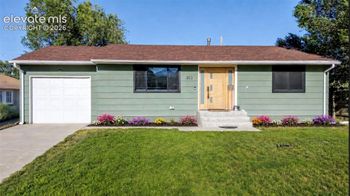
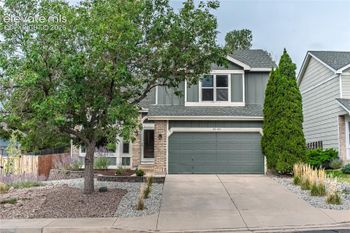
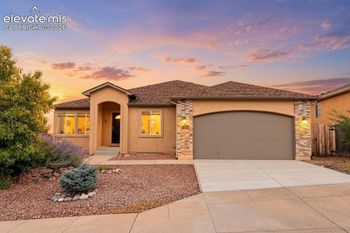
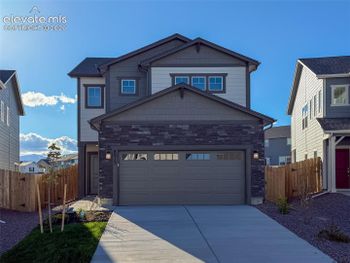
New - 15 Mins Ago
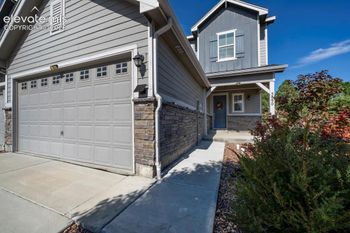
$535,000
Active
3
Beds
3
Baths
1946
Sqft
0.0861
Acres
5890 Morning Light Ter, Colorado Springs, CO 80919
MLS#: 7262648
.jpg)



Five challenges stop most Colorado home sales from closing on time: listing in the wrong month, pricing above the sold comps, hiring a broker without a written plan, skipping the prep work, and losing the buyer at the inspection objection deadline. Each one has a fix with a number attached, and this post gives it.
The numbers below are Denver metro numbers at the current $580,000 to $620,000 median close price. Sellers in Fort Collins, Colorado Springs and Greeley face the same five problems at lower price points. The Colorado Home Seller's Guide covers the full process from listing contract to closing table.
| Challenge | What it costs a Denver seller | The fix |
|---|---|---|
| 1. Wrong timing | Fewer showings, 2 to 4 extra weeks on market | List between the second week of March and mid-June, or the week after Labor Day |
| 2. Overpricing | A 2 to 5 percent cut after day 30, offers below asking | Price within 2 percent of the last three sold comps |
| 3. The wrong broker | A stale listing and a second listing later | A written marketing plan and a price review date before signing |
| 4. Skipped prep | $10,000 to $25,000 in concessions or price cuts | $3,000 to $8,000 of paint, cleaning, lighting and repairs |
| 5. Inspection surprises | A terminated contract at the objection deadline | A $400 to $700 pre-listing inspection plus sewer scope and radon test |
Listings that go live from the second week of March through mid-June draw the most showings and the most offers in the Denver metro. The week after Labor Day through mid-October is the second window. Listing between Thanksgiving and New Year's means fewer buyers but also the fewest competing listings, which works for a home that shows well with the lights on at 4:30 pm.
Weather sets two limits. Hail season runs May to September, so a roof claim in June delays a July listing by three to six weeks while the roofer schedules. Snow in a showing week cuts traffic, so a January listing needs a shoveled walk and a heated house at every showing. Our post on the best times to sell a house in Colorado gives the month-by-month showing counts.
Price within 2 percent of the last three comparable sales inside one mile and the last 90 days, adjusted for condition. Website estimates miss by 5 to 10 percent on Front Range homes because they cannot see a finished basement, a new roof or a bentonite-heaved driveway. A Denver metro listing priced 5 percent over the comps gets fewer showings in week one, misses the first two weekends when 70 percent of offers arrive, and takes a price cut on day 30 that lands below where a market-priced listing would have closed.
Buyers search in $25,000 bands, so a home priced at $610,000 misses every search capped at $600,000. The Smart Pricing Report pulls the sold comps for your exact address, and our Denver seller pricing strategy post explains where in the band to land. Read DMAR's monthly months-of-inventory figure before you set the number: under two months means buyers bid over list; over four means sellers pay concessions.
Colorado licenses every real estate agent as a broker under the Division of Real Estate at DORA, and you check any license at the Division's website. Then ask five questions before signing the Colorado Exclusive Right-to-Sell Listing Contract:
Read client reviews of the Kenna Real Estate Group and our page on how the Kenna Real Estate Group works with sellers to see what a written plan looks like.
Fix what fails an inspection and what shows in the photos; skip remodels. On a Denver metro home, $3,000 to $8,000 covers a warm-white paint job, a crew deep clean, LED bulbs and two or three new fixtures, sealed driveway cracks, downspout extensions, a furnace service and a water heater past 12 years. That budget prevents $10,000 to $25,000 in price cuts and concessions. Leave the kitchen remodel alone inside six months of listing; it returns 50 to 70 cents per dollar. The preparing and adding value before selling guide lists every item with its cost.
A pre-listing inspection is the same inspection the buyer will order, done before the home lists, for $400 to $700 in the Denver metro. Add a sewer scope ($150 to $300) on any home built before 1975 in Denver, Englewood, Lakewood or Aurora, where clay lines are the norm, and a 48-hour radon test ($150 to $250), since most Colorado counties sit in the highest EPA radon zone.
The report tells you what the buyer will find, and you decide what to fix and what to disclose at the price. Fix the items that terminate contracts: an active roof leak, a failed sewer line ($6,000 to $20,000 to replace), radon above 4.0 pCi/L ($1,200 to $2,500 to mitigate), a cracked heat exchanger, and knob-and-tube or aluminum branch wiring. Disclose the rest on the Seller's Property Disclosure and price accordingly. Our post on rising inspection requirements for Denver sellers covers what buyers ask for now.
The Colorado Real Estate Commission's Contract to Buy and Sell sets an Inspection Objection Deadline, written into the contract at 7 to 10 days after the contract date on most Denver metro deals, and an Inspection Resolution Deadline a few days later. The buyer sends a written objection listing repairs, credits or a price cut. You accept, counter, or decline. With no signed resolution by the resolution deadline, the contract terminates and the buyer keeps the earnest money. A seller who fixed the big five before listing turns most objections into a $500 to $2,000 credit instead of a termination.
The contract's Appraisal Deadline gives the buyer the right to terminate or renegotiate when the appraisal lands under the price. The three outcomes are a price cut to the appraised value, the buyer covering the gap in cash, or a split. Prevent it by meeting the appraiser with the comps that supported the list price and a list of upgrades with receipts. In a Denver metro market with rising prices, gaps of $10,000 to $20,000 are common on homes that drew multiple offers.
The Loan Termination Deadline lets a buyer walk when the loan is denied, so a pre-approval letter from a lender who has pulled credit and verified income is worth more than a prequalification. Ask the buyer's lender to confirm that the file is through underwriting before you cancel your backup showings. Your lender is Mike Oswald, VP of Mortgage Lending at Rate; he reviews buyer pre-approvals on our listings. The Colorado home financing guide explains the loan types buyers bring.
Many of our buyers use Mike Oswald at Rate and trust him. The Kenna Real Estate Group is not affiliated with Rate or Mike Oswald, you are free to use any lender you choose, and we receive nothing for the introduction. Mike Oswald, NMLS 261003 · Rate, Inc., NMLS 2611 · Equal Housing Lender.
Three ways: a contingent offer on the new home (weak in a market under two months of inventory), a rent-back of 30 to 60 days written into your sale contract, or a bridge loan against your equity. Most Denver metro sellers use the rent-back. Our post on how to buy and sell a home at the same time in Colorado walks through the contract language, and you can explore Denver metro homes to line up the next one.
On a $600,000 sale: the listing commission and any buyer-broker compensation agreed in the listing contract, the owner's title policy that Colorado sellers pay by custom ($1,500 to $2,500), a title company closing fee ($300 to $600), property taxes prorated to the closing date (Colorado taxes are paid in arrears), HOA or metro district status letter and transfer fees ($150 to $500), and any credits from the inspection resolution. Colorado has no state transfer tax. The home equity and net proceeds guide works the sheet for your price.
The Kenna Real Estate Group at Keller Williams DTC handles all five of these challenges on every listing: a listing date set by the calendar, a Smart Pricing Report built from sold comps, a written marketing plan, a prep list with costs, and a pre-listing inspection before the buyer's inspector arrives. Call or text 303-955-4220. A live person answers. Not a robot, not a phone tree. When the next home is part of the plan, search every home for sale in Colorado.
Questions about any home in Colorado? Call or text 303-955-4220. A live person answers.
Pricing. A Denver metro listing priced 5 percent over the sold comps misses the first two weekends, when 70 percent of offers arrive, and takes a cut on day 30 that lands below a market-priced close.
Showings drop in week one, the listing passes day 30, buyers label it stale and open below asking. The fix is a 2 to 3 percent cut on day 15 after two weekends with no offer.
$400 to $700 for the general inspection, plus $150 to $300 for a sewer scope and $150 to $250 for a radon test. Together they show you every objection before the buyer's inspector does.
What you know about the roof, structure, water and sewer, mechanical systems, water rights, insurance claims, radon and, on a home built before 1978, lead-based paint. Fill every line from memory and receipts; blanks read as hidden problems.
Yes. If no written inspection resolution is signed by the resolution deadline in the Colorado contract, the contract terminates and the buyer keeps the earnest money.
File the insurance claim first, get the roof replaced with a Class 4 impact-resistant shingle, and put the claim date and the new roof in the listing remarks. Plan on three to six weeks during hail season.
In a market under two months of inventory, sell first and negotiate a 30 to 60 day rent-back, or use a bridge loan against your equity. Contingent offers on the new home rarely win against non-contingent buyers.