New - 1 Hour Ago
.jpg)


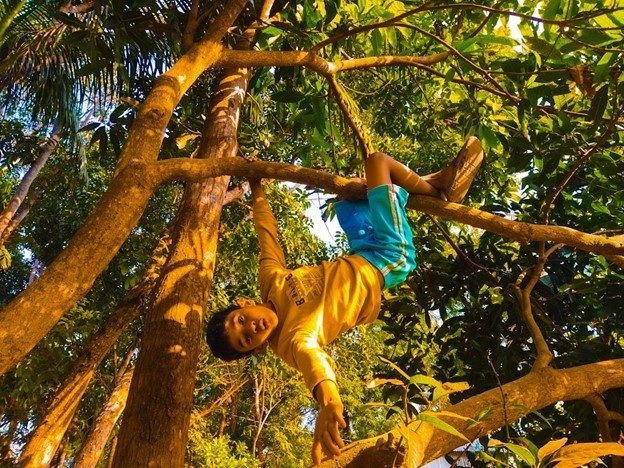
A backyard play area on the Front Range needs the same things any outdoor structure on this land needs: shade against strong UV at altitude, a surface that holds up through hail season, a code-compliant fence around any pool, and materials rated for freeze-thaw winters. This guide covers the property features that make a Colorado backyard play area durable, compliant, and worth the investment at resale.
UV exposure at 5,280 feet runs stronger than the same sunny day at sea level, so shade is the first feature to plan for an outdoor play area, not an afterthought. A pergola, a wind-rated shade sail, or a mature tree positioned over a play structure cuts direct sun during the strongest hours, midday through late afternoon. A light fabric canopy not rated for Front Range wind gusts tears or blows loose within a season, so check the wind rating before buying.
Engineered wood mulch, rubber mulch, and pea gravel cushion falls better than bare dirt or grass, and each holds up to hail season (spring through September) and Colorado's freeze-thaw cycles better than a soft synthetic surface not rated for the climate. Turf under a play structure needs more water to stay green under Front Range watering restrictions, so a mulch or gravel base under the structure, paired with a separate turf zone, balances cushioning with water rules.
Synthetic turf rated for UV exposure and freeze-thaw holds its color and shape longer than a budget product built for a milder climate. A turf base under a high-traffic play zone cuts the water a lawn needs under watering restrictions in most Front Range cities, and it drains faster after a hail storm than natural grass on compacted or expansive clay soil. The artificial turf and property value guide breaks down material grades and cost per square foot.
Colorado building codes require a compliant barrier around most residential pools and spas: a fence of a set minimum height with a self-closing, self-latching gate, and several Front Range cities enforce this separately from HOA rules. Check the exact pool barrier code with the local building department before installing or reopening a pool, and check the gate hardware every season, since hardware loosens over a Colorado winter.
Most Front Range cities do not require a building permit for a freestanding play structure or trampoline below a set height, but a number of HOAs regulate placement, visibility from the street, and sometimes restrict trampolines outright through the architectural review process. Check the covenant before ordering a large structure; the Denver HOA rules and fees guide covers how that review works.
Permit rules for backyard structures vary by city and county along the Front Range: a shade structure attached to the house, a permanent fence over a set height, or an electrical run to a water feature each trigger a separate permit in most jurisdictions. Confirm the rule with the specific building department before construction starts, since a structure built without a required permit complicates a sale later.
Wind gusts along the Front Range, especially on open suburban lots and near the foothills, tip a lightweight play structure or shift an unanchored trampoline. An anchor kit rated for the structure's weight keeps equipment in place through a windy spring, and anchor points are worth rechecking each season, since ground movement from expansive clay soil loosens them over time.
A wooden playhouse holds up longer against Colorado's intense UV and hail exposure when it is sealed or stained and rechecked each spring, since unsealed wood grays and cracks faster here than in a milder, more humid climate. Position the structure where afternoon shade falls across it to extend the life of the finish.
Thorny shrubs, plants with irritating sap, and low-hanging branches near a swing's arc are worth keeping clear of a play area; native, low-water Colorado plantings work well elsewhere in the yard without sitting close to the equipment. A defined boundary, like a mulch edge or a low border, separates the play zone from garden beds so materials do not mix.
Outdoor time supports concentration and focus. Research on outdoor time and concentration found that views of greenery alone improved attention scores, and access to a usable, shaded outdoor space makes daily outdoor time easier to get than an occasional trip to a park. The Front Range's roughly 300 days of sun a year makes an outdoor play area worth the upfront cost, since it gets used across most of the calendar once shade and surface are handled.
| Feature | Front Range cost range |
|---|---|
| Shade sail or pergola over play area | $800 to $4,000 |
| Engineered wood mulch or rubber mulch base, 200 sq ft | $400 to $1,200 |
| Pool barrier fence, code-compliant | $1,500 to $4,000 |
| Wooden playhouse, installed | $1,000 to $3,500 |
| Play structure with anchor kit | $1,500 to $6,000 |
| Synthetic turf, per 200 sq ft | $1,600 to $3,000 |
Play structure hardware, trampoline springs, and wood surfaces benefit from a fall check before Colorado's snow load and freeze-thaw cycle sets in: tighten hardware, cover or store a trampoline mat if the manufacturer recommends it, and reseal wood surfaces before the first hard freeze. Skipping this each fall shortens how many seasons the equipment lasts.
A flat or gently sloped backyard costs less to prepare for play equipment than a steeply graded lot, since grading work adds cost before the first shade structure or play set goes in. South- and west-facing yards get more direct sun and need more shade planning, while a lot with mature trees already positioned well saves the cost of a built shade structure. Search every home for sale in Colorado and filter by lot size to compare backyard space across Front Range neighborhoods before touring, or start with homes for sale in Highlands Ranch, where many lots run larger than the Denver core.
A well-built shaded play area, a defined turf zone, and a code-compliant pool fence read as a finished, usable yard to any buyer touring the property, and a compliant pool barrier removes an inspection concern before it comes up. The in-ground pool value guide covers how a fenced pool factors into an offer. Equipment a buyer does not want comes out or gets repurposed without much cost in most cases, so a play structure rarely works against a sale. The preparing and adding value before selling guide covers which yard features to leave visible for a showing and which to store.
The Kenna Real Estate Group helps Front Range buyers find properties with the outdoor space and features on this list already in place, and helps sellers prepare a backyard for showings. Call or text 303-955-4220. A live person answers. Not a robot, not a phone tree. Ready to see what is on the market? Search every home for sale in Colorado.
Questions about any home in Colorado? Call or text 303-955-4220. A live person answers.
A pergola or a wind-rated shade sail positioned over the area cuts the strongest midday and afternoon UV at altitude. A mature tree works too, if its branches clear a swing's arc and the equipment below.
Colorado building codes require a compliant barrier around most residential pools and spas: a set minimum height with a self-closing, self-latching gate. Confirm the exact code with the local building department and check gate hardware every season.
A number of Front Range HOAs regulate trampoline placement and visibility from the street, and some restrict them outright through architectural review, so check the covenant before buying one.
Engineered wood mulch, rubber mulch, or pea gravel cushion falls and hold up to hail season and freeze-thaw cycles better than bare dirt, grass, or a synthetic surface not rated for the climate.
Front Range wind gusts tip a lightweight structure or shift a trampoline, so an anchor kit rated for the equipment's size is worth installing, with anchor points rechecked each season.
It helps in most cases. A shaded, defined play zone and a code-compliant pool fence read as a finished yard to buyers, and equipment a buyer does not want comes out without much cost to the sale in most cases.
Most Front Range cities do not require a permit for a freestanding structure or trampoline below a set height, but a structure attached to the house or an electrical run to a water feature triggers a separate permit in most jurisdictions. Confirm with the local building department before construction starts.
Synthetic turf rated for UV exposure and freeze-thaw keeps its color and shape longer than a budget product, and it cuts the water a lawn needs under Front Range watering restrictions.