.jpg)


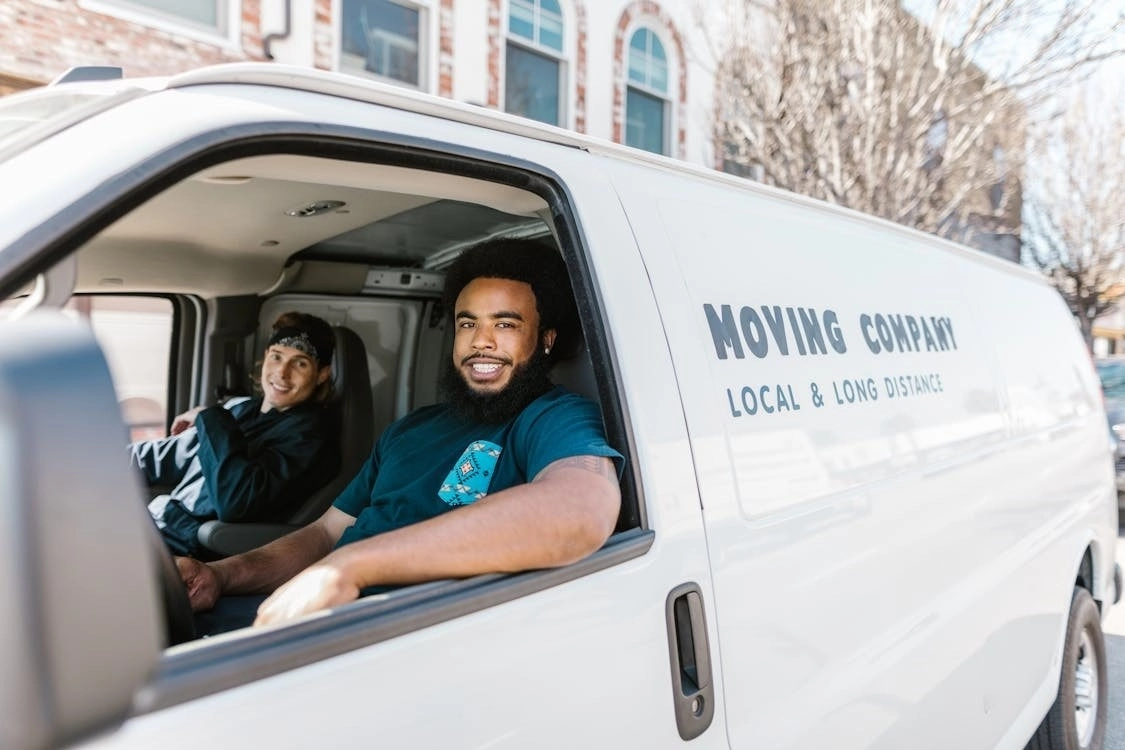
Colorado sellers who rent portable storage before listing sell faster because empty closets and open floors photograph better and show better in person. Pairing that storage with a vetted moving company also solves the timing problem every seller faces: what to do with your belongings between the day your buyer's offer is accepted and the day you actually move.
Why portable storage helps a Colorado listing sell
Buyers touring a Front Range home judge closets, garages, and basements on how much space is left, not how much furniture is inside them. Renting a portable storage unit for the weeks a home is on the market clears out off-season gear, extra furniture, and boxes of belongings so every room reads as spacious. It also does the packing early: whatever goes into storage during staging is already packed for the actual move.
What goes into storage before showings
- Off-season gear: skis, patio furniture, holiday decorations, and anything tied to a season other than the one you're listing in.
- Extra furniture: a third bookshelf, a spare table, anything that makes a room feel smaller than it is.
- Personal collections: family photos and personal items, which help buyers picture their own belongings in the space.
- Garage and basement overflow: the boxes most Front Range homes accumulate, since buyers open garage doors and basement doors on every showing.
What portable storage costs in the Denver metro
A single portable storage container runs roughly $150 to $300 a month in the Denver metro, depending on container size and whether it stays on your property or moves to a storage facility. Compare that against a traditional self-storage unit, which runs $80 to $220 a month but requires a separate trip to load and unload rather than a container dropped at your curb.
HOA and driveway rules for storage containers
Many Front Range HOAs limit how long a portable storage container can sit in a driveway or on the street, capped at 7 to 14 days without a variance. Check your HOA's exterior modification rules before the container arrives, and confirm whether a metro district or the city itself also regulates containers on a public street. Snow load is a real concern too: schedule container pickup before a winter storm if it needs to leave your driveway clear for plowing.
Bridging two closings: rent-backs and gradual moves
Selling and buying at the same time rarely lines up to the day. A rent-back lets you stay in your sold home for an agreed number of days after closing while you finish moving, in exchange for paying the buyer a daily rate. Portable storage gives you a third option: move your belongings out gradually over several weeks before your sale closes, then move into a new home, or into short-term housing, once you're actually ready. Review the Kenna Real Estate Group's guide to selling a house in Colorado for how a rent-back gets written into a Colorado contract.
Booking movers and storage together
Book a mover and a storage container 3 to 4 weeks ahead of a local move, 6 to 8 weeks ahead of a long-distance one, and earlier during the state's peak season, late spring through summer. A mover who regularly partners with a portable storage company can schedule both the drop-off and the final move without you coordinating two separate vendors' calendars. Confirm container drop-off and pickup windows in writing, since a container left too long past the agreed date on a Front Range street can draw an HOA notice.
Vetting your Realtor's recommended mover
Ask for the mover's Colorado Public Utilities Commission permit number, a binding written estimate, and proof of insurance before you sign. Ask specifically whether the crew handles bulky Front Range items such as hot tubs, patio furniture, home gym equipment, and pianos, since not every general mover carries the right equipment or dollies for those pieces.
What professional movers add beyond the truck
A full-service Colorado moving company does more than drive a truck between two addresses. Most offer packing services, furniture disassembly and reassembly, and short-term warehousing if your closing dates don't line up cleanly. For a seller juggling showings, a Realtor's paperwork, and a full-time job, paying for packing labor on the rooms you use daily, kitchen and bathrooms especially, buys back real time during the weeks your home is listed.
Timing storage around your listing photos
Book your portable storage container before your listing photos are shot, not after. Photographers and buyers both notice a room that still has moving boxes stacked in the corner. A practical sequence for a Front Range listing: declutter into storage the week before photos, keep showings running for 2 to 4 weeks, then schedule the final move once you have an accepted offer and a closing date to build a moving-day plan around.
Where to go next
- Preparing and Adding Value Before Selling
- Pricing Your Colorado Home to Sell
- Packing, Storing, and Settling In: A Homeowner's Guide to a Smooth Move
- Moving Up: How to Trade Your Current Home for Your Next One
- Search every home for sale in Colorado
Talk to the Kenna Real Estate Group
The Kenna Real Estate Group helps Colorado sellers time storage, staging, and moving day around the actual closing date, including writing a rent-back into the contract when a seller needs extra days. Call or text 303-955-4220. A live person answers. Not a robot, not a phone tree. Ready to price your home and plan the move? Search every home for sale in Colorado.
Homes for sale that match this post
- Staging: guide
- Basement: guide
- Homes with 2 Car Garage in Denver
- Special Districts Property Tax Guide in Denver
- HOA Rules and Fees Guide in Denver
- Homes with Gourmet Kitchen in Denver
- All homes for sale in Denver
Guides
Questions about any home in Colorado? Call or text 303-955-4220. A live person answers.