.jpg)


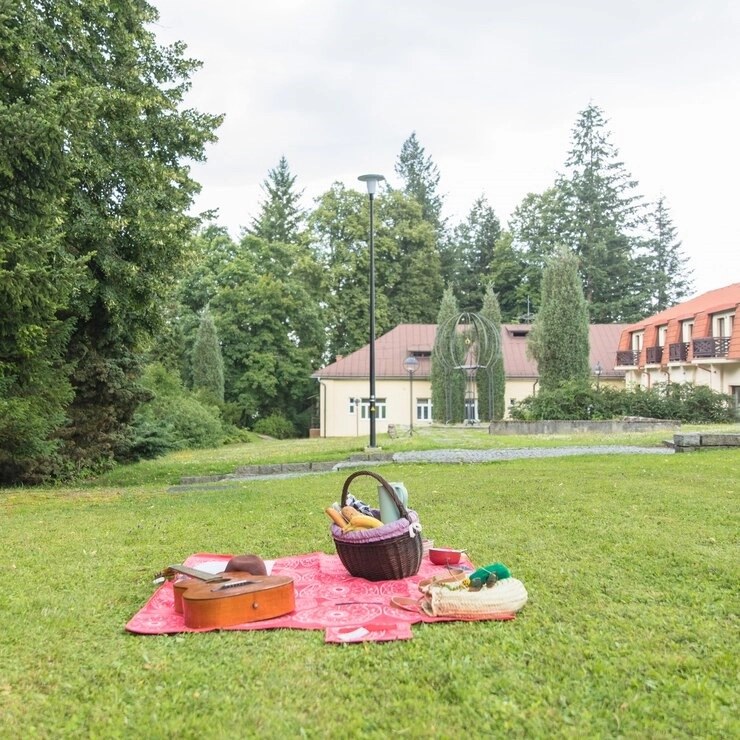
A healthy lawn on the Front Range takes different steps than a lawn guide written for a wetter climate: mow at the right height for clay soil, water on your provider's assigned days, and fertilize on a shorter growing-season schedule. Get those three right and the rest of Front Range lawn care is upkeep, not repair.
How frequently should I mow a Colorado lawn?
Mow on a schedule that never removes more than one-third of the blade length in a single pass; scalping stresses grass roots already working through compacted clay. Change your mowing direction each time to avoid ruts, and raise the deck higher during the hottest, driest stretch of summer so grass shades its own roots.
Does Denver Water limit how frequently I can water my lawn?
Denver Water and most Front Range providers set assigned watering days and block watering between 10 a.m. and 6 p.m. during the summer season. Water early morning on your assigned days, and water deeply and less frequently rather than a light daily sprinkle; deep watering pushes roots down into the clay instead of keeping them shallow.
What fertilizer schedule fits a Front Range growing season?
A phosphorus, potassium and nitrogen blend applied every four weeks through the spring growing stretch replaces nutrients removed by mowing. Follow the package rate; over-fertilizing pushes fast, weak growth that struggles once Colorado's dry summer heat and UV set in.
How do I control weeds without extra watering?
Hand-pull small weeds like clover with a scarifier before they seed, and use a root weeder to get the full taproot on deeper-rooted weeds like dandelion. A dense, well-fed lawn crowds out weeds on its own better than herbicide alone, which cuts how much extra water and chemical the lawn needs.
Does aerating help Front Range clay soil?
Yes, more than in looser soil. Compacted clay keeps oxygen and water from reaching grass roots, and small aeration holes let both through. Top-dress the holes with sandy soil to keep them open longer and to improve drainage in the top few inches of clay over time.
When should I aerate and overseed on the Front Range?
Early fall, once the summer heat breaks but before the first hard freeze, is the strongest window for cool-season grasses common on the Front Range; a spring pass works as a second option. Aerating right before overseeding gets seed into contact with soil instead of sitting on compacted clay.
Should I replace part of my lawn with xeriscape?
Many Front Range homeowners keep a smaller functional lawn for a patio or play area and convert the rest to xeriscape beds, which cuts water use and mowing time. Check your HOA's turf rules before converting a large area, since some metro districts and HOAs set minimum lawn percentages or require design review.
Does hail damage a Colorado lawn?
Hail season runs spring through September and can shred leaves and bruise turf, though grass recovers faster from hail than trees or shrubs do. Mow lightly and avoid heavy fertilizer right after a bad hailstorm; let the lawn recover for a week or two before pushing new growth.
Does a healthy lawn affect resale value on the Front Range?
A green, well-edged lawn is one of the fastest curb-appeal wins for a Front Range listing, and it costs far less than most exterior projects. Our preparing and adding value before selling guide covers which yard fixes photograph best and which ones buyers actually notice at a showing.
What grass type actually does best on the Front Range?
Cool-season grasses like Kentucky bluegrass and turf-type tall fescue are the most common choices on the Front Range because they handle the region's cold winters and can still hold up to a dry summer stretch with proper watering. Buffalo grass and other native, drought-tolerant grasses need far less water once established and fit well for homeowners looking to cut their outdoor water bill.
How does Front Range clay soil change a lawn-care routine?
Heavy clay drains slowly, so overwatering a Colorado lawn is a more common mistake than underwatering it; standing water on clay invites fungal problems and shallow roots. Water deeply and less frequently, and aerate at least once a year so water and nutrients reach the root zone instead of pooling and running off compacted clay.
What does professional lawn care cost in the Denver metro?
A basic mow-and-edge service on a typical Front Range lot commonly runs $40 to $75 per visit, while a full-season program including fertilizing, weed control and aeration can run several hundred dollars a year. DIY costs are lower but require sticking to a consistent mowing, watering and fertilizing schedule through the growing season.
Does snow and ice damage a Front Range lawn over winter?
Mag chloride and other de-icers used on Front Range roads and walkways can burn grass along the edges of a driveway or sidewalk if it splashes or is shoveled onto the lawn. Rinse affected areas with water once temperatures allow, and avoid piling snow mixed with de-icer directly on grass when clearing a driveway.
Does turf grass fit every Front Range HOA's rules?
Some Front Range HOAs and metro districts now cap how much traditional turf a lot allows, particularly for new construction, and encourage or require a share of the landscape in lower-water plantings. Check your covenants before reseeding a large bare patch or expanding a lawn's footprint so the finished yard stays inside your HOA's rules.
How does a short Colorado growing season change a lawn calendar?
Front Range lawns wake up later and go dormant earlier than lawns in milder climates, which shortens the practical window for seeding, heavy fertilizing and major repair work to roughly spring through early fall. Plan any full reseed or sod replacement for that window rather than late fall, when new grass will not establish before winter dormancy sets in.
Does elevation change how thick I need to seed a Front Range lawn?
Thin, drying air at 5,280 feet pulls moisture out of a newly seeded lawn faster than it would at a lower elevation, so new seed needs more frequent light watering to stay moist through germination than a sea-level planting guide suggests. Cover fresh seed with a thin straw layer to hold moisture and shield it from wind until the grass establishes.
| Task | Frequency | Front Range note |
|---|---|---|
| Mowing | Weekly in peak season | Never remove more than 1/3 of blade length |
| Fertilizing | Every 4 weeks in spring | Stop before peak summer heat |
| Aerating | Once a year, early fall | Critical for compacted clay soil |
| Watering | Assigned days only | Deep watering, not daily sprinkling |
Where to go next
- Search every home for sale in Colorado
- Preparing and adding value before selling
- Effective lawn care tips for springtime in Colorado
- Xeriscaped homes in Colorado: a buyer's guide
- Explore homes in Denver
- Meet the Kenna Real Estate Group agents
Talk to the Kenna Real Estate Group
Whether a strong lawn is part of getting a Front Range home ready to list, or you are comparing yard upkeep on homes you are touring, the Kenna Real Estate Group can walk you through what actually pays off here. Call or text 303-955-4220. A live person answers. Not a robot, not a phone tree. Or search every home for sale in Colorado right now.
Homes for sale that match this post
Guides
Questions about any home in Colorado? Call or text 303-955-4220. A live person answers.