New - 1 Hour Ago
$580,000
Coming Soon
4
Beds
3
Baths
2086
Sqft
0.13
Acres
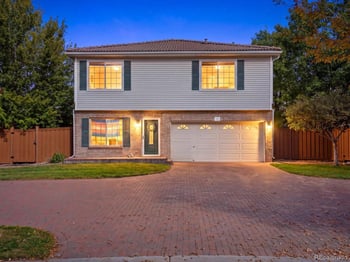
1640 S Wolff St, Denver, CO 80219
MLS#: REC9715370
.jpg)



The eco-friendly additions that make sense on the Front Range are the ones that also cut a Colorado utility bill: solar, water-wise landscaping, and insulation upgrades that meet Denver's current energy code. Each one pays for part of itself through lower bills and Xcel Energy rebates before resale value even enters the picture.
Colorado's combination of intense high-altitude sun, wide day-to-night temperature swings, and a growing push from Xcel Energy toward electrification makes energy-focused additions pay back faster here than in milder, lower-altitude climates. A homeowner weighing which addition to prioritize first should start with whichever one has the shortest payback period on their specific utility bill, then move to the additions that matter more for buyer appeal at resale.
Colorado averages close to 300 days of sun a year, which makes rooftop solar one of the higher-output additions a Front Range home can add. Solar panels paired with a south- or west-facing roof pitch produce enough to meaningfully offset a Denver metro electric bill, and Xcel Energy's net metering program credits any excess the system sends back to the grid.
Xcel Energy offers rebates for insulation upgrades, heat pump water heaters, efficient furnaces, and in some cases solar installation itself. Checking current rebate amounts before finalizing a contractor bid changes the real out-of-pocket cost of several additions on this list, sometimes by a meaningful margin.
Denver's 2022 energy code sets a higher insulation, window, and air-sealing standard than homes built even a decade earlier were required to meet. Upgrading attic insulation and replacing single-pane windows with code-current units cuts heating and cooling costs year-round and qualifies for Xcel Energy rebates in many cases.
Xeriscaping — native, low-water plantings paired with efficient drip irrigation — cuts outdoor water use substantially compared with a traditional turf lawn, which matters directly on a Denver Water or Aurora Water bill during the summer. Several Front Range water providers offer turf-replacement rebates that lower the upfront cost of converting a lawn.
A patio, retaining wall, or permeable paver walkway does double duty on Denver's expansive clay soil: it adds usable outdoor space and directs water away from the foundation instead of letting it pool against it. Several creative hardscape designs combine both goals in one project rather than treating drainage and outdoor living as separate line items.
Run the math on any addition before committing: total installed cost minus available rebates, divided by the estimated monthly savings, gives a payback period in months that makes the six options on this list directly comparable to each other.
A Level 2 EV charger and a heat pump water heater or heat pump HVAC system are two of the most-requested additions from Front Range buyers under 45, and both qualify for Xcel Energy incentives. A heat pump system also handles Denver's wide day-to-night temperature swings more efficiently than a standard electric-resistance system.
A green roof — a roof surface planted with drought-tolerant vegetation — works at Denver's altitude when the plant selection is matched to the climate's low humidity and intense UV exposure at 5,280 feet; the wrong plant palette fails within a season or two. It is a bigger structural and cost commitment than the other additions on this list and works best on a flat or low-slope roof that can carry the added weight.
Solar panels and attic sealing tend to have the shortest payback periods on the Front Range because they cut a recurring monthly bill directly, while a green roof and hardscape additions pay back more slowly and function more as a lifestyle or drainage investment than a pure cost-saving one. Ranking a homeowner's own list by expected payback period, rather than by which addition sounds most appealing, is the more useful way to prioritize a limited renovation budget.
Colorado law limits how much an HOA can restrict solar panel installation, but design placement rules still apply, and xeriscaping conversions sometimes require design review even where the underlying right to convert is protected. Check the Denver HOA rules and fees guide before submitting plans for either.
Colorado allows residential rain barrel collection under state law, up to two barrels totaling 110 gallons, which supplements outdoor irrigation during dry summer stretches without touching a treated water supply. Paired with xeriscaping, rain barrel storage cuts the outdoor watering bill further and is one of the least expensive additions on this list to install.
A backyard composting setup and a native-plant pollinator garden cost little to add and work with Colorado's climate instead of against it, since native species are already adapted to the region's low humidity, intense UV, and swing between hot days and cold nights. Neither adds measurable resale value on its own, but both support the water-wise landscaping goals that do.
Solar and insulation upgrades show up as a lower documented utility cost, which buyers and their lenders increasingly factor into an offer on the Front Range. See ten upgrades that increase Colorado home value for a broader comparison against these energy-focused additions.
Air sealing the attic floor and crawlspace before adding insulation stops the conditioned air a Denver furnace works to produce from leaking straight out through gaps around plumbing stacks, wiring penetrations, and the attic hatch. It is one of the least expensive items on this list and frequently qualifies for the same Xcel Energy rebate program that covers insulation upgrades. Pair it with the insulation project rather than treating it as a separate step, since sealing gaps before adding insulation on top of them is the correct order.
A smart thermostat that learns a household's schedule and adjusts for Denver's wide day-to-night temperature swing pays for itself in a season or two through lower heating and cooling costs, and it pairs naturally with a heat pump or efficient furnace addition. Sub-metering an ADU or a converted basement unit separately from the main home also matters for any owner planning to rent the space, since it makes utility costs transparent between the two households instead of folding everything into one shared bill.
The Kenna Real Estate Group can point to which eco-friendly additions matter most to Front Range buyers right now, and which ones simply lower a utility bill. Call or text 303-955-4220. A live person answers. Not a robot, not a phone tree. Search every home for sale in Colorado to see how comparable homes are priced.
Questions about any home in Colorado? Call or text 303-955-4220. A live person answers.
Colorado averages close to 300 days of sun a year, which makes rooftop solar one of the higher-output additions a Front Range home can add, especially on a south- or west-facing roof.
Xcel Energy offers rebates for insulation, heat pump water heaters, efficient furnaces, and in some cases solar installation. Amounts change, so check current rebates before finalizing a bid.
Colorado law limits how far an HOA can restrict solar installation, though design placement rules still apply and should be checked before installation.
Xeriscaping uses native, low-water plantings and efficient drip irrigation to cut outdoor water use, and several Front Range water providers offer turf-replacement rebates.
Yes, when the plant selection matches the climate's low humidity and intense UV exposure at 5,280 feet. The wrong plant palette fails within a season or two.
Solar and insulation upgrades show up as a lower documented utility cost, which buyers and lenders increasingly factor into an offer.