New - 15 Hours Ago
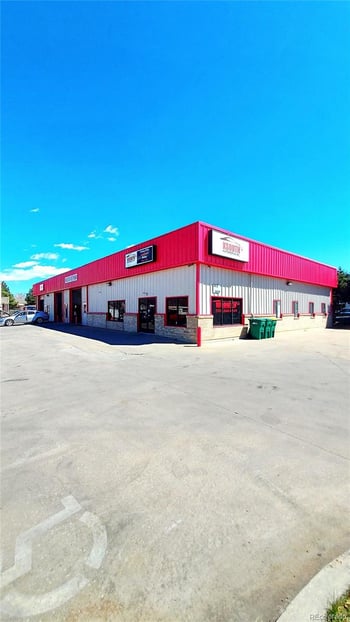
$1,840,000
Active
--
Beds
--
Baths
--
Sqft
0.51
Acres
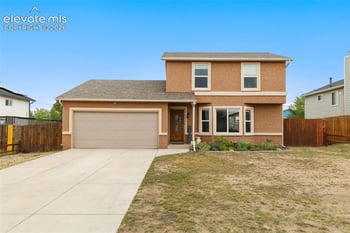
3612 Betty Dr, Colorado Springs, CO 80917
MLS#: REC4501909
.jpg)


A dog-friendly Colorado home starts with three things: durable flooring, a fenced yard, and a feeding station that stays out of the main traffic path. None of it requires a renovation. Most of these seven changes cost under $500 and take a weekend.
A dog-friendly home protects its floors and doors from Front Range mud and snowmelt, gives a dog a fenced or secured yard, and keeps feeding and rest areas away from heavy foot traffic. In Denver, Aurora, Lakewood, Littleton, Centennial, Colorado Springs, and Fort Collins, that also means planning for hail season (spring through September), dry air, and clay soil that expands and contracts with moisture.
Luxury vinyl plank and sealed tile hold up better than carpet against Colorado's mud, snowmelt, and mag chloride residue tracked in from winter roads. Both resist scratches from nails and wipe clean in under a minute. If a home still has carpet in high-traffic rooms, a bound-edge rug over vinyl plank gives a dog traction without the cleanup problem carpet creates.
Pick a corner of the kitchen or a mudroom nook, away from the main walkway, and keep it the same spot every day. Store dry dog food in a sealed bin to keep it fresh at altitude, where dry air pulls moisture out of open bags faster than in humid climates. A best dog food comparison guide is worth reading before switching brands, since protein content and calorie density vary widely between formulas. In a home with more than one pet, keep cat food on a raised shelf or inside a cabinet a dog cannot reach; dry cat food has a higher fat content than most dog formulas and can cause stomach upset in a dog that eats too much of it.
Front Range mud season runs from early March through early June, and again after fall storms. A mudroom with a washable floor, an open shelf for towels, and hooks for leashes keeps mud and gravel out of the rest of the house. A low-mounted spray hose or a stock-tank dog-wash station near the garage or back door handles paws after a muddy hike without tracking dirt through the kitchen.
A 4- to 6-foot fence keeps a dog contained and screens out wildlife common on the Front Range, including foxes and the occasional black bear near foothill communities. Before installing one, check the HOA declaration: many Denver-metro HOAs set fence height and material rules, and some metro districts require a permit for any fence over 6 feet. Some HOAs also cap the number of dogs per unit or restrict specific breeds in their covenants — read the governing documents before making an offer on a home in a covenant-controlled community. The Denver HOA rules and fees guide covers what to check before you buy.
Under SB23-184, a Colorado landlord cannot collect a security deposit larger than two months' rent, and any separate pet deposit counts toward that same cap. Landlords must return the deposit within one month of move-out unless the lease sets a longer period, up to 60 days. Ask for the deposit terms in writing before signing, and photograph the home's floors and baseboards on move-in day if a dog will live there.
Turf and mulch beds hold up better than bark mulch, which dogs dig through and track indoors. Xeriscape beds with rock borders and drought-tolerant native plants suit Colorado's low humidity and reduce watering needs under Denver Water and local restrictions. Avoid cocoa mulch, which is toxic if a dog eats it, and skip landscaping with sharp gravel edges near paw-height plantings.
A dog door with a locking flap keeps a dog from wandering while giving it yard access during the day. Install it on a door that faces the fenced portion of the yard, not the street side, and add a storm-rated cover for hail season — flying debris during a Front Range hailstorm can damage an unprotected flap.
| Upgrade | Typical Denver-Metro Cost |
|---|---|
| Luxury vinyl plank, per room (150 sq ft) | $900 to $2,200 installed |
| 4- to 6-foot fenced yard (quarter-acre lot) | $3,500 to $9,000 |
| Mudroom shelving and hooks | $200 to $600 |
| Locking dog door with storm-rated cover | $150 to $500 installed |
| Xeriscape bed with rock border (200 sq ft) | $1,200 to $3,000 |
Get exact material and labor pricing from a local contractor before budgeting; costs shift with lot size, HOA material requirements, and the season a project is scheduled.
Dogs settle faster in a home with one predictable rest spot away from doorways and stairwells, where foot traffic and doorbell noise stay lower. In a home with more than one dog or a dog and a cat, separate feeding stations by at least six feet to reduce food-guarding, and give each pet its own bed. A closet or under-stair nook converts into a crate area without taking up floor space in a main living room.
Front Range hail season runs from spring through September, and stray hail damages uncovered dog runs, plastic dog houses, and unprotected kennel roofing. A metal or reinforced-polycarbonate roof on any outdoor structure holds up better than standard plastic, and moving a dog's outdoor bed under a covered patio during storm warnings prevents both hail damage and a soaked bed that needs replacing.
Buyers touring a Denver-metro home notice a fenced yard, durable flooring, and a mudroom immediately, and agents report those three features shorten the time a home sits on the market in dog-owning ZIP codes. Before listing, walk through the preparing and adding value before selling guide and ask about a Smart Pricing Report to see how yard and flooring upgrades compare to their cost.
Denver, Littleton, Centennial, Highlands Ranch, and Fort Collins all have dedicated off-leash parks within a short drive of most neighborhoods. See the Denver dog parks guide and the backyard dog-friendly setup guide for park locations and yard layouts by neighborhood. Homeowners insurance also factors in: review how a policy responds to a dog-related incident in the homeowners insurance and dog liability guide before closing on a home with a pet.
A move is the biggest disruption in a dog's routine. Keep the feeding schedule and a familiar bed consistent from day one in the new home, and confirm the new municipality's licensing rules — Denver, Aurora, and several Front Range cities require a dog license within 30 days of establishing residency. Renting between homes? Review pet rent costs in the Colorado pet rent guide before signing a lease.
Whether a home needs a fenced yard, a mudroom, or a full walkthrough before listing with pets in the picture, the Kenna Real Estate Group can point out what buyers notice first in a Front Range home. Call or text 303-955-4220. A live person answers. Not a robot, not a phone tree. Ready to look? Search every home for sale in Colorado.
Questions about any home in Colorado? Call or text 303-955-4220. A live person answers.
Under SB23-184, the total security deposit — including any pet deposit — cannot exceed two months' rent, and the landlord must return it within one month of move-out unless the lease allows up to 60 days.
Luxury vinyl plank or sealed tile in main living areas resists scratches and cleans up faster than carpet, and it shows well to buyers touring a Front Range home.
Yes. Many HOAs set breed or dog-count limits in their covenants, so read the governing documents before making an offer on a home in a covenant-controlled community.
Store dry dog food in a sealed, airtight bin rather than the original bag; low humidity at altitude dries out an open bag faster than in a humid climate.
Most Denver-metro HOAs cap privacy fences between 4 and 6 feet, and some metro districts require a separate permit for anything taller — check before installing one.
Yes. Denver, Aurora, and several other Front Range cities require a dog license within 30 days of establishing residency in the city.
Skip cocoa mulch, which is toxic if a dog eats it; rock borders with native, drought-tolerant plants hold up better against digging and Colorado's low humidity.
A fenced yard is one of the first features buyers notice on a showing in dog-owning neighborhoods, and agents report it shortens time on market more than it adds directly to price.