New - 30 Mins Ago

.jpg)


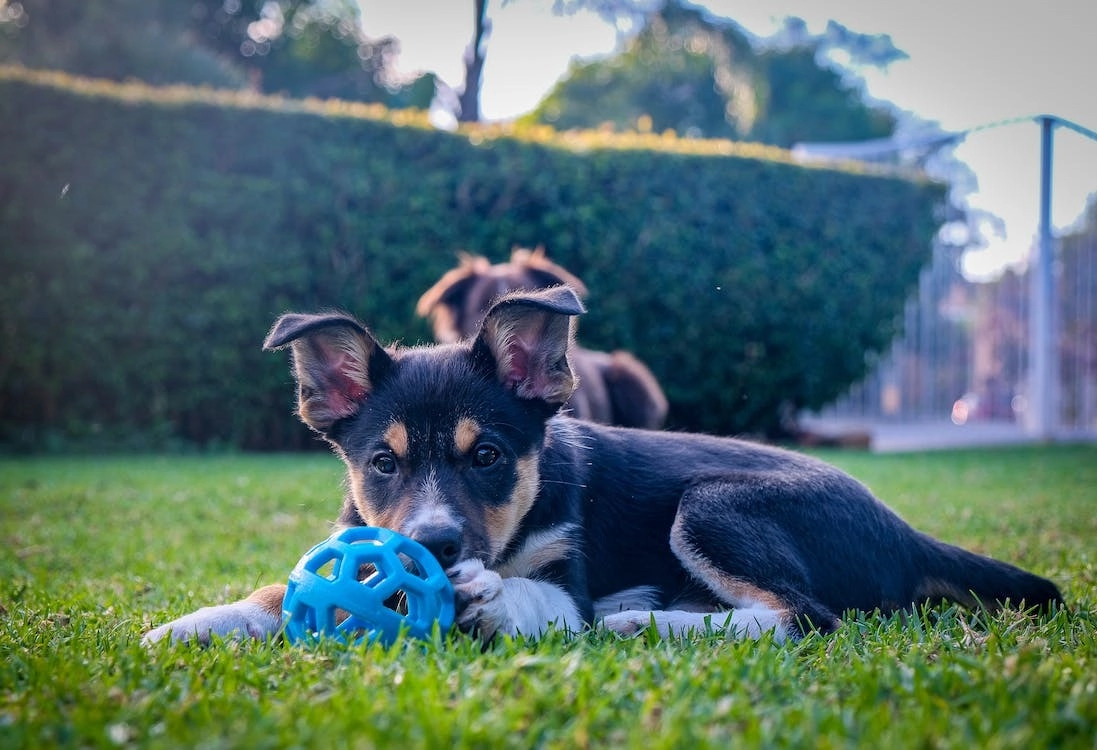
A Front Range yard can work for both a tidy lawn and an active dog if you plan around Colorado's clay soil, short growing season and intense sun instead of fighting them. Five changes, most doable over a weekend, keep the yard usable for a dog without turning it into bare dirt by midsummer.
Dog urine leaves brown patches faster on grass that is already stressed by clay soil and Colorado's dry summer heat. Durable grass blends like buffalo grass or Kentucky bluegrass hold up better to regular dog traffic here than thinner turf varieties, and mulch, rock or gravel paths through high-traffic corners keep dogs off stressed grass while it recovers.
Artificial turf skips the brown-patch problem and needs no summer watering, which helps under Denver Water's day limits, but it heats up fast under intense Front Range UV and can get too hot for paws on a sunny afternoon. If you install it, choose a lighter color and add shade over at least part of the area.
At 5,280 feet, UV exposure is stronger than at sea level, and dogs overheat faster without shade and water. A mature tree, a shade sail, a covered dog house with real ventilation, or a spot under a pergola all give a dog somewhere to retreat during the hottest stretch of the afternoon.
Yes. A shelter built only for summer shade needs to also block wind and hold in some warmth once Front Range temperatures swing below freezing, which can happen even in the shoulder seasons. If you use a kennel, choose flooring that will not get slick with frost and is easy to clean after mud from melting snow.
Tulips, sago palm, begonia, azalea and elephant's ear are all worth keeping out of a yard a dog has access to, while options like African daisies, Boston fern and Calathea are commonly listed as non-toxic. Check a current toxic-and-non-toxic plant list before adding new landscaping to a yard your dog uses.
A designated digging spot with loose soil or sand, tucked away from flower beds, gives a dog an outlet that keeps them out of beds you are trying to establish in Colorado's short growing season. Toys or treats buried in the spot help redirect the habit there instead of into the lawn.
Hail season runs spring through September, so any doghouse, kennel roof or shade structure should be built or rated to take a hard hailstorm, not just sun and rain. Bring a dog inside during a hailstorm regardless of shelter quality; hail large enough to dent a car roof can injure an animal caught in the open.
Buyers respond well to a yard that looks planned for pets rather than worn down by them; durable ground cover, defined zones and healthy grass read as well cared for. Our preparing and adding value before selling guide covers which yard fixes matter most before you list.
Many Front Range HOAs and metro districts set rules on fence height, material and visible kennel structures from the street. Check your governing documents before installing a new fence or a permanent kennel so the setup clears design review the first time.
Expansive Front Range clay heaves fence posts over repeated freeze-thaw cycles unless they are set well below the frost line with a proper concrete footing. A fence that shifts or leans within a year or two of installation is commonly a sign the posts were not set deep enough for local soil conditions, and a dog will find and use a gap fast.
Open, wind-exposed yards near the foothills can make a lightweight dog house or shade structure tip or blow apart in a strong gust. Anchor any freestanding shelter and position it against a fence line or a wall on the downwind side of the yard rather than out in the open.
Denver, Aurora, Lakewood, Littleton and most Front Range cities require dogs to be leashed or contained on the owner's property, which makes a securely fenced yard useful beyond comfort; a fence with gaps at the bottom or a gate that does not latch fully is a common way a dog gets loose. Check your city's containment ordinance and your fence's gate hardware together.
Leaving a dog outside unsupervised during a sudden Colorado hailstorm or a fast-moving cold front is the most common seasonal mistake, since Front Range weather can shift from sunny to severe within the hour. Check the forecast before a longer stretch outside and bring dogs in ahead of storms rather than after they start.
Drought-tolerant ground covers and mulch paths work for both a low-water Front Range yard and a dog's daily use, so a dog-friendly redesign is a reasonable time to convert high-traffic turf that Denver Water's summer watering limits make hard to keep green anyway. Check that any mulch used is free of cocoa shell, which is toxic to dogs if eaten.
New-build communities on the Front Range commonly carry stricter design covenants than older neighborhoods, covering everything from visible dog runs to fence style and height. Ask about pet-related covenant language during a home search if a dog-friendly yard is a priority, since retrofitting a covenant-restricted yard after closing takes longer than planning around it up front.
Most Denver metro lots comfortably fit a dog run of a few hundred square feet along a side or back fence line without crowding the rest of the yard's usable space. Position it away from property-line setbacks your city or HOA requires, and add gravel or a durable ground cover rather than bare dirt to control mud from Colorado's clay soil after a storm.
Whether you are prepping a Front Range yard to sell or touring homes with a dog's needs in mind, the Kenna Real Estate Group can point out fenced yards, HOA rules and lot layouts that fit. Call or text 303-955-4220. A live person answers. Not a robot, not a phone tree. Or search every home for sale in Colorado right now.
Questions about any home in Colorado? Call or text 303-955-4220. A live person answers.
It can, especially in darker colors under intense Front Range UV; choose a lighter color and add shade over at least part of a turf area.
Durable blends like buffalo grass or Kentucky bluegrass hold up better to regular dog traffic and Colorado's dry summer heat than thinner turf varieties.
Yes. Hail large enough to dent a car roof can injure an animal caught outdoors, regardless of what shelter is available.
Tulips, sago palm, begonia, azalea and elephant's ear are commonly flagged as risky; check a current toxic-plant list before adding new landscaping.
Many do, setting rules on fence height, material and visible kennel structures; check your governing documents before you build.
Not if it looks planned rather than worn down; durable ground cover and defined zones for pets read as well cared for to most buyers.