$500,000
Pending
4
Beds
3
Baths
2234
Sqft
0.14
Acres
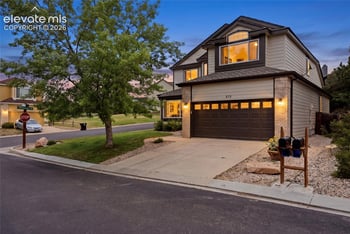
375 Medford Dr, Colorado Springs, CO 80921
MLS#: 1083714
.jpg)



A home workshop pays off on the Front Range in two ways: it gives a homeowner a real place to work on cars, wood, or gear, and a well-built one adds resale value that a cluttered garage corner never will. The build itself has to answer to Colorado winters, hail season, and whichever city or county issues the permit.
Denver, Aurora, Lakewood, Colorado Springs, and every county on the Front Range require a building permit for a detached structure over a set size, and most require one for any structure with electrical or plumbing work regardless of size. Call your city's building department or your county's planning office before framing a single wall; a stop-work order after the slab is poured costs far more than the permit fee. Unincorporated county lots and horse or acreage properties sometimes carry different rules than city lots, so a buyer eyeing a workshop on acreage should check the specific parcel's zoning before writing an offer.
Converting part of an attached garage into a workshop is the cheapest path and keeps the project inside existing walls, but it gives up covered parking during Colorado's hail season, which runs from spring through September on the Front Range. A detached shop keeps the garage free for the car and gets sized around the actual tools going inside, from a single wood bench to a full auto bay.
Decide what the shop needs to do before drawing walls: auto and metal work need higher ceilings, 220-volt outlets, and better ventilation than a woodworking or electronics bench. A rule that works on most Front Range lots: leave three feet of clearance around stationary tools like a table saw or lift, and put the dustiest work near the door so debris does not track into the rest of the house.
A workshop that is not insulated turns into an expensive space heater bill or an unusable room from November through March. Spray foam or rigid foam board on the walls and ceiling, paired with a vapor barrier, keeps a shop workable through a Front Range winter and cuts down on the condensation that shows up when a heated space meets Colorado's dry outside air.
Electric baseboard or a mini-split unit are the simplest heat sources for a detached shop and avoid the venting requirements that come with gas or propane heaters. A detached workshop running power tools, a compressor, or a welder needs its own sub-panel; budget for an electrician to run new service from the main panel, since undersized wiring is the most common reason a workshop trips breakers under real use.
Dust collection and fume extraction matter more at altitude, where the thinner air makes a shop feel stuffier faster than the same space at sea level. A dust collector tied to stationary tools, plus a through-wall exhaust fan for finishing work like staining or painting, keeps the air workable without leaving a door open to the Colorado cold.
A concrete slab is standard for a workshop floor, but Front Range clay soils expand and contract enough through freeze-thaw cycles that a slab needs proper base prep and control joints to avoid cracking. Adding an epoxy or polyaspartic coating over the slab protects against oil, chemical stains, and the salt and mag chloride tracked in on boots and tires during a Colorado winter.
Many Front Range subdivisions and metro districts restrict the size, height, and exterior look of a detached accessory structure, and some require matching the home's siding and roof material. Check the HOA's architectural review process before ordering materials; a shop that does not match approved standards can trigger a fine or a forced teardown even after the city permit is issued.
A finished, permitted workshop with real electrical and insulation reads as bonus square footage to a Front Range buyer, especially one shopping for a hobbyist, a home business, or extra storage. An unpermitted shop, by contrast, can slow down a sale: county records need to match what is on the property, and a buyer's lender or inspector will flag work that never pulled a permit.
| Project | Typical cost range | What it adds |
|---|---|---|
| Garage workshop conversion | $3,000 to $12,000 | Functional space, no added square footage |
| Detached workshop, basic | $15,000 to $40,000 | New structure, covered footprint, permit on file |
| Detached shop with full electrical and heat | $40,000 to $80,000+ | Year-round usable space, strongest resale story |
| Finished bonus room | $20,000 to $50,000 | Living square footage counted by appraisers |
Sellers weighing a workshop against other upgrades can compare notes in the Kenna guide to adding value before you sell, and anyone building a shop as part of a bigger income-property plan should read the house-hacking guide for how accessory structures fit an investment plan.
Larger Front Range lots and horse properties have room for a shop sized well beyond a typical city garage, and buyers looking specifically for that kind of space should start with Colorado horse and acreage properties for sale. The Kenna Real Estate Group’s post on whether a big shop actually adds value to an acreage property walks through what buyers pay extra for versus what they take for granted.
Homeowners unsure whether a mini-split can handle a workshop's heating and cooling load should read the Kenna Real Estate Group’s breakdown of whether a 12,000 BTU mini-split is enough for a garage or workshop before buying equipment sized for the wrong square footage.
A workshop that also stores a classic car or a high-value vehicle needs the same setup considerations as a garage built around that goal; see the Kenna Real Estate Group’s guide on how a home garage setup protects a high-value vehicle for the details on flooring, climate, and security that apply just as much to a workshop.
A detached shop away from the main house needs its own lock hardware, and many Front Range homeowners add a camera covering the shop door alongside the ones already covering the driveway and front entry. Homeowners insurance carriers sometimes ask about detached structure security when a policy covers stored equipment above a set value, so keep a simple inventory list and photos of expensive tools in case a claim is ever needed.
Most homeowners policies extend a percentage of the main dwelling's coverage to detached structures automatically, but that percentage is not always enough to cover a fully built-out shop with an electrical sub-panel and expensive tools inside. Call the insurance carrier once the shop is framed and wired so the policy reflects the new square footage and equipment value, rather than finding out the coverage was short after a claim.
Concrete pours and exterior framing move fastest between late spring and early fall on the Front Range, once the ground has thawed and before the first hard freeze. Scheduling a pour in the middle of hail season means protecting fresh concrete and building materials from a fast-moving spring or summer storm, so many contractors plan the exterior shell for a narrow weather window and save interior electrical and insulation work for the colder months.
Some Front Range cities allow a permitted accessory structure to be converted or expanded into an accessory dwelling unit under the right zoning, which changes both the permit path and the potential rental income. A homeowner considering that route should confirm ADU rules with the city or county before designing the shop, since a structure built as a simple workshop does not automatically qualify once electrical, plumbing, and egress requirements for a livable unit are added later.
The Kenna Real Estate Group helps Front Range buyers find lots and homes with room for a real workshop, and helps sellers figure out whether a shop build pays back before closing. Call or text 303-955-4220. A live person answers. Not a robot, not a phone tree. Or search every home for sale in Colorado to find a lot with room to build.
Questions about any home in Colorado? Call or text 303-955-4220. A live person answers.
Most Front Range cities and counties require a permit for a detached structure over a set size, and always require one for new electrical or plumbing work, so call the local building department before framing walls.
A basic detached shop runs $15,000 to $40,000, while a fully insulated, heated, and wired shop with real electrical service runs $40,000 to $80,000 or more depending on size and finish.
Propane and gas heaters can work but bring venting and permit requirements that electric baseboard or a mini-split unit avoid, which is why most Front Range shop builds use electric heat.
A permitted, insulated workshop with real electrical adds usable space a buyer can see and use immediately, while an unpermitted structure can slow a sale when it does not match county records.
Many Front Range HOAs and metro districts require architectural review for any detached structure, including size, height, and exterior materials, so check before ordering materials.
A properly prepped concrete slab with control joints handles Front Range freeze-thaw cycles, and an epoxy or polyaspartic coating adds protection against oil, chemicals, and winter road salt.
Yes, and it is the cheapest option, but it gives up covered parking during Colorado's spring-through-September hail season, which is worth weighing against the cost of a detached build.
Pair a dust collector on stationary tools with a through-wall exhaust fan for finishing work, since Colorado's thinner air makes a closed shop feel stuffy faster than the same space at sea level.