Open: Sun 10:00 AM - 2:00 PM
$785,000
Active
6
Beds
4
Baths
3540
Sqft
0.1831
Acres
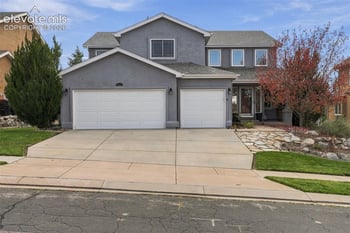
275 Cliff Falls Ct, Colorado Springs, CO 80919
MLS#: 7625670
.jpg)


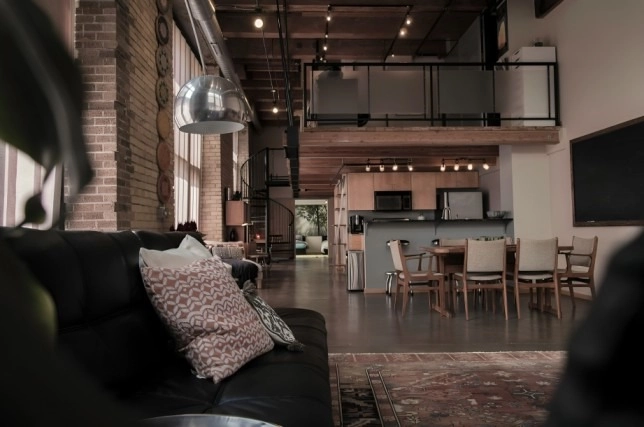
Transitional decor blends classic furniture lines with modern finishes, and it works especially well in Colorado because it photographs cleanly, wears well in a dry climate, and appeals to the widest range of Front Range buyers when a home goes on the market. It is not a trend that ages out in two years, which matters in a state where a home can sit on the market through more than one season.
Transitional style pairs the clean lines and neutral palette of contemporary design with the softer curves and warmer tones of traditional furniture. A tufted sofa next to a sleek marble-look coffee table is a transitional pairing. The style reads as calm and current in listing photos, which is exactly what a Denver, Aurora or Colorado Springs buyer is scrolling past dozens of other listings to find.
Pieces from a line such as Lazar furniture are built around that same structured-but-comfortable profile, and they work as an anchor piece in a living room whether the rest of the room stays traditional or leans modern.
A home that photographs as neutral and updated draws more showings in the first two weeks on the market, which is when most Front Range offers come in. Sellers do not need a full remodel to get there. A furniture swap, new window coverings and a lighting update in the main living areas costs a fraction of what a kitchen or bath remodel runs, and it shows up in every listing photo. The guide to preparing and adding value before selling breaks down which updates pay back at closing and which do not.
Front Range homes run at roughly 10% to 25% relative humidity indoors during winter, well below the 30% to 50% range most furniture makers design for. Solid wood pieces, antique chests and wood-frame upholstery can crack, gap at the joints or develop visible seams when the air is that dry. A humidifier that holds the home in the 30% to 40% range protects both the furniture and the hardwood floors underneath it, and it is worth checking before buying an antique or a solid-wood anchor piece for a Colorado home.
Altitude itself does less damage than the dry air and intense sun that come with it. Natural fibers such as linen and cotton dry out and become brittle faster at 5,280 feet than at sea level, so a tightly woven, sun-resistant fabric holds its color and structure longer on Front Range furniture than a delicate natural weave placed in direct light.
Colorado gets close to 300 sunny days a year, and UV exposure at altitude is stronger than at sea level. Rugs, hardwood floors and upholstery near a south- or west-facing window fade unevenly within a year or two without protection. Rotating rugs, using UV-filtering window film, and keeping upholstered pieces out of direct afternoon light are the difference between decor that still looks fresh at resale and decor that reads as dated in listing photos.
Front Range floor plans lean on large windows to bring in that natural light, and a west-facing wall of glass heats a room hard in the late afternoon. Layered treatments, cellular shades with a UV-blocking backing, or solar screens cut glare and heat gain without blocking the light that makes a transitional room feel open. Bare, unadorned windows look clean in photos but do the least to protect the furniture and flooring behind them.
Most Front Range municipal water is hard, which leaves mineral spotting on brushed nickel, matte black and unlacquered brass fixtures over time. A matte or brushed finish hides water spotting better than polished chrome, and a quick wipe-down after use keeps hardware looking new for listing photos and for the buyer who opens every cabinet during a showing.
Interior decor updates such as furniture, paint and window coverings do not need HOA sign-off in most Front Range communities, since HOA architectural review covers the exterior and anything visible from the street. Condo and townhome associations sometimes restrict what can be seen through a front-facing window, so it is worth checking the governing documents before installing a colored or patterned treatment on a street-facing window.
A monochromatic base of taupe, tan and warm gray, layered with one or two deeper accent tones, photographs well in the flat, even light a listing photographer uses. An antique piece or a framed print, in the spirit of the Modern art collections galleries like this one feature, gives a room a point of interest without competing with the architecture.
Minimalist crown molding paired with modern light fixtures is a fast, low-cost way to modernize a room that still has builder-grade trim. Natural stone, wood and brick accents read well against the neutral palette that dominates transitional design and photograph as warm rather than cold in a listing.
Entry-level and move-up homes in Denver, Aurora, Lakewood, Littleton and Centennial see the biggest return on a decor refresh, since buyers in that band are comparing several homes on finish quality alone. Higher-end listings in Colorado Springs and Fort Collins benefit too, but the bigger lever there is the exterior and the lot; the Smart Pricing Report shows where a specific home sits before a seller spends on staging.
A one-time consultation with a professional stager in the Denver metro runs $150 to $400, and full-service staging with rented furniture for a vacant home runs from roughly $1,500 to $4,500 for two to three months depending on square footage. A furnished, occupied home is far cheaper to prepare, since the work is editing and rearranging what is already there rather than bringing in a full furniture package.
Compare that against the return: a well-presented listing in a competitive Front Range price band routinely draws more showings and a cleaner path to an accepted offer in the first weeks on the market, which is worth more to most sellers than the staging cost itself.
| Prep level | Typical cost, Denver metro | Best fit |
|---|---|---|
| Consultation only | $150 to $400 | Occupied home, seller does the work |
| Partial staging (main rooms) | $600 to $1,800 | Occupied home, entry/living/primary bedroom |
| Full vacant staging | $1,500 to $4,500+ | Vacant listing, higher price band |
The Kenna Real Estate Group helps Front Range sellers decide which updates are worth making before photos and showings start, from a furniture refresh to a full pricing strategy. Call or text 303-955-4220. A live person answers. Not a robot, not a phone tree. Ready to see what is on the market first? Search every home for sale in Colorado.
Questions about any home in Colorado? Call or text 303-955-4220. A live person answers.
Transitional decor pairs the clean lines of modern furniture with the softer curves and warmer tones of traditional pieces, so a room reads as current without looking bare or overly styled.
A neutral, updated interior draws more showings in the first two weeks on the market, which is when most Front Range offers arrive. Updates to furniture, lighting and window coverings cost far less than a remodel and show up in every listing photo.
Aim for 30% to 40% relative humidity. Front Range homes run 10% to 25% in winter, which is dry enough to crack solid wood furniture and dry out natural-fiber fabric.
Yes. Close to 300 sunny days a year and stronger UV at 5,280 feet fade rugs, hardwood floors and upholstery near unprotected south- or west-facing windows within a year or two.
Cellular shades with a UV-blocking backing or solar screens cut afternoon heat and glare while still letting in light, which protects furniture and flooring without darkening the room.
Most Front Range HOA architectural review covers the exterior and anything visible from the street. Condo and townhome associations sometimes restrict window treatments visible from outside, so check the governing documents first.
Hard, mineral-heavy Front Range water leaves spotting on polished chrome faster than on matte or brushed finishes. A quick wipe-down keeps hardware looking new for showings.
Entry-level and move-up homes in Denver, Aurora, Lakewood, Littleton and Centennial see the strongest return, since buyers in that band compare several homes on finish quality alone.