New - 3 Hours Ago

.jpg)


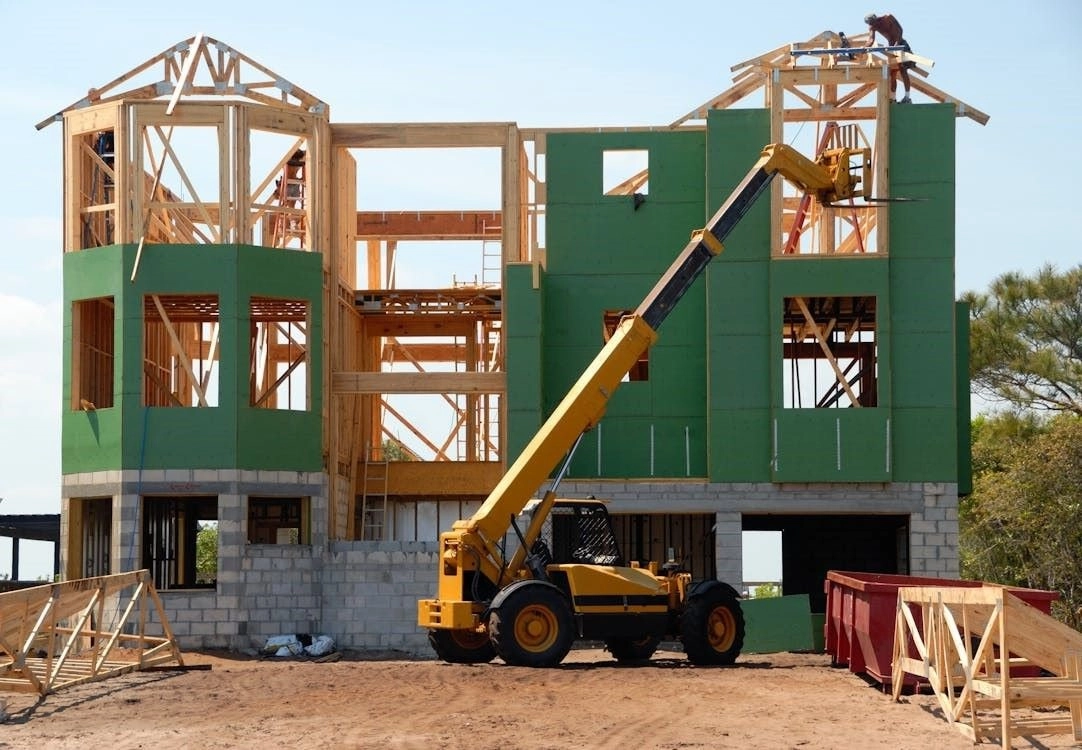
AI-driven project management, budgeting and job-site monitoring tools are shortening Denver-area commercial construction timelines and cutting cost overruns tied to Colorado's expansive soils, hail season and winter shutdown window. Developers pairing these tools with local permitting knowledge finish projects faster than those running spreadsheets and manual scheduling alone, and the gap between the two approaches has widened as more Front Range general contractors adopt AI estimating and scheduling as standard practice rather than a pilot program.
Three factors repeat across Front Range commercial projects: permitting timelines that run from a few weeks in smaller municipalities to several months in Denver proper, expansive bentonite clay soils from Douglas County through Colorado Springs that require engineered foundations, and a winter construction window that narrows between November and March when concrete work slows. AI tools address each one directly.
Predictive scheduling models pull weather data, material lead times and subcontractor availability into one forecast, which matters in Colorado where a spring hailstorm or a February cold snap changes a schedule with little warning. Real-time dashboards let a project manager in Denver track a crew in Colorado Springs or Greeley without a site visit, and workflow automation removes the repetitive data entry that used to eat a coordinator's week.
Digital takeoff and bid-leveling software let a Front Range general contractor compare five subcontractor bids line by line instead of stacking paper spreadsheets, catching a scope gap before a signed contract locks it in. On a $10 million Denver office build, a single missed scope item in concrete or MEP work has historically cost six figures once discovered mid-project; bid-leveling software surfaces that gap during the award stage instead.
Camera-based progress tracking, wearable fall-protection sensors and automated daily-log software are replacing the paper clipboard on Front Range commercial sites. These tools timestamp every inspection and photo, which matters on a Denver project where a dispute over completed work needs a verifiable record rather than a supervisor's memory. Insurance carriers writing builder's-risk policies on Colorado commercial projects increasingly ask for this kind of documented monitoring program before quoting a rate.
AI-based estimating tools compare a proposed Denver office build against thousands of completed projects with similar square footage, soil conditions and finish level, catching cost gaps before they become change orders. Foundation work shows the clearest example: an expansive-soil foundation in Highlands Ranch or Parker costs 15 percent to 30 percent more than a standard slab, and estimating software flags that soil risk from the county's own geotechnical records instead of surfacing it as a change order six months in.
Contractors comparing bids on this kind of work should visit this website to see how digital bid management platforms are replacing paper bid packages on Colorado commercial jobs.
AI-assisted site selection layers zoning, floodplain, utility easements and soil data using geographic information systems before a developer buys land. In metro Denver, that catches a parcel sitting in a 100-year floodplain near the South Platte, or a lot inside a wildfire-urban-interface zone in the foothills, before it derails a project.
Interconnection queues for new commercial power service through Xcel Energy have stretched project timelines across the Front Range. AI-driven load forecasting helps developers size a request accurately the first time, avoiding a second round of utility review that can add months to a Denver or Aurora project.
Colorado's hail season runs April through September, and commercial roofs across the Front Range carry impact-resistant material requirements that many insurers expect before writing a policy. AI-based material tracking flags which roofing systems on a project meet Class 4 impact ratings before installation instead of after a claim.
Industrial and logistics space near E-470 and I-70 in Aurora and Commerce City, flex office in the Denver Tech Center, and mixed-use redevelopment along South Broadway and in RiNo carry the heaviest current pipeline. Each submarket has its own permitting authority and metro district structure, which is why a single cost model rarely transfers between them.
Yes, primarily by catching soil, utility and code conflicts during design instead of during framing. A change order caught in the design phase costs a fraction of the same fix once concrete is poured, and that gap runs larger in Colorado than in markets without expansive soil and freeze-thaw cycles to plan around.
| Cost driver | Traditional approach | AI-assisted approach |
|---|---|---|
| Soil risk | Found during excavation | Flagged during site selection via GIS |
| Budget accuracy | Manual estimate, wide margin | Modeled against comparable projects |
| Utility sizing | Fixed request, risk of resubmission | Load-forecasted before filing |
The Kenna Real Estate Group works with Front Range commercial buyers and developers to vet soil risk, permitting timelines and metro district costs before an offer goes in. Call or text 303-955-4220. A live person answers. Not a robot, not a phone tree. Or search every home for sale in Colorado.
Questions about any home in Colorado? Call or text 303-955-4220. A live person answers.
Predictive scheduling, automated estimating and GIS site screening catch soil, utility and code conflicts during design instead of during construction, cutting the change orders that used to add months.
Denver's Development Services review commonly runs several months longer than smaller Front Range municipalities like Commerce City or Brighton.
Bentonite clay soils from Douglas County through El Paso County swell and shrink with moisture, requiring engineered foundations that add 15% to 30% to foundation cost.
Yes. April through September hail activity affects roofing installation timing and insurer requirements for impact-resistant materials.
Layering zoning, floodplain, utility easement and soil data to screen a parcel before purchase.
Utility interconnection queues have stretched timelines across the Front Range. Accurate load forecasting reduces the risk of a second review cycle.
Industrial space near E-470 and I-70, Denver Tech Center flex office, and mixed-use redevelopment along South Broadway and RiNo.