New - 21 Hours Ago
$384,900
Active
4
Beds
2
Baths
1791
Sqft
0.163
Acres
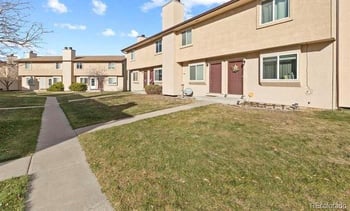
4855 S Crimson Cir, Colorado Springs, CO 80917
MLS#: 8426797
.jpg)


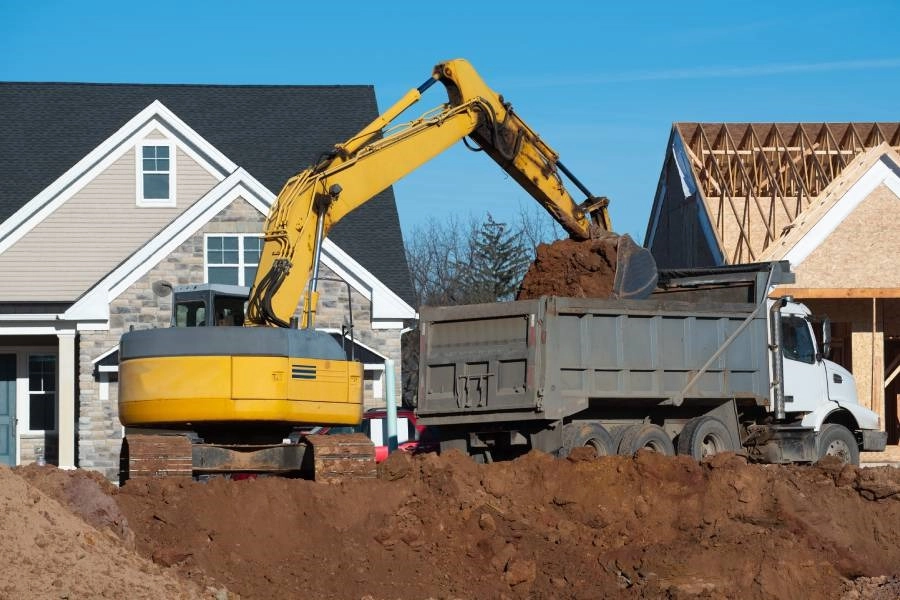
A backyard excavation project on the Front Range runs into two things most other states don't deal with together: buried utilities that a single missed call can turn into a costly repair, and expansive clay soil that behaves differently once it's cut open. Getting the utility locate, permit, and soil plan right before the first shovel goes in protects both the project and the people working on it.
Colorado's one-call law requires notifying the state utility notification center at least two business days before excavation starts, so utility companies can mark gas, electric, water, sewer, and communication lines. This step matters even for a project that looks minor, like a fence post hole or a small planting bed, because you need to locate these underground utilities before digging, and buried lines don't sit at a consistent depth across a property.
Denver, Aurora, Lakewood, Littleton, and Colorado Springs each set their own thresholds for when backyard excavation needs a permit. Grading that changes drainage, a retaining wall over 4 feet, work within a utility easement, and anything that touches a property line requires review in most of these cities; a shallow trench for irrigation or a small garden bed does not. Call the building department for the specific jurisdiction before assuming a project is exempt.
Much of the Denver metro area, Highlands Ranch, Castle Rock, and Colorado Springs sits on bentonite and other expansive clays that swell when they absorb moisture and shrink hard when they dry out. An open trench or foundation cut left exposed during a wet stretch can slump before backfill goes in, so time excavation work around the forecast and cover open cuts during a storm.
Federal standards require a protective system, sloping, benching, or shoring, for any trench 5 feet deep or more, and Colorado's clay soils lose structural stability fast once disturbed, so many contractors add protection at shallower depths too. A trench left open and unprotected is one of the most common causes of a serious incident on a residential excavation site.
Footings for a new structure, retaining wall, or deck post need to sit below the local frost depth, roughly 30 to 36 inches around metro Denver, or freeze-thaw cycles will heave the footing out of position within a season or two. This is one of the most-missed steps on a do-it-yourself backyard project.
Most Front Range jurisdictions require an engineered permit for a retaining wall over 4 feet tall, since a taller wall holding back expansive clay carries real load and needs drainage built into the design. Even a shorter wall benefits from a gravel backfill and a perforated drain pipe to keep clay from pushing against it after a wet spring. Investment property owners weighing a larger site improvement can review the rental property checklist before starting excavation on a property that is not yet owner-occupied.
Most Front Range HOAs and metro districts require architectural review before regrading a yard, adding a retaining wall, or changing drainage that affects a neighboring lot. Submit a plan before excavation starts, since drainage changes are one of the most common sources of HOA disputes. The Denver HOA rules and fees guide covers how architectural review committees handle these requests.
A patio, paver walkway, or hardscape feature needs a properly compacted base, not just topsoil scraped away. Concrete pavers and slabs hold up longer on Front Range clay when the excavation includes a gravel base deep enough to handle freeze-thaw movement without cracking the surface above it.
Colorado's Seller's Property Disclosure form asks about known soil, drainage, and structural work, so keep records of any excavation, grading, retaining wall, or foundation project, along with the permits pulled for it, before listing a Front Range home.
Not every backyard project carries the same permit, utility-locate, or cost requirements. This table covers the most common Front Range projects side by side.
| Project | Utility locate required | Permit required | Typical cost range |
|---|---|---|---|
| Fence post holes | Yes | Only if fence exceeds local height limit | $25 to $45 per linear foot installed |
| Sprinkler line trench | Yes | No in most jurisdictions | $1,500 to $4,000 for a standard system |
| Patio or paver base | Yes | Sometimes, depending on size and drainage change | $15 to $30 per sq ft |
| Retaining wall over 4 feet | Yes | Yes, engineered permit | $40 to $75 per sq ft of wall face |
| Foundation or addition footing | Yes | Yes, building permit | Varies by project scope |
A homeowner can handle a shallow, small-scale project after a proper utility locate, but anything approaching 5 feet deep, near a foundation, or involving a retaining wall over 4 feet belongs with a licensed excavation contractor who carries the equipment and experience to manage Front Range clay soil and trench protection correctly. The cost difference between a professional crew and a rental excavator narrows fast once soil movement or a struck utility line enters the picture, and a repaired gas or fiber line regularly costs more than the entire project's original budget.
The Kenna Real Estate Group can tell you which backyard improvements need a permit before you start and which ones actually add value on your street. Call or text 303-955-4220. A live person answers. Not a robot, not a phone tree. Search every home for sale in Colorado to see how lot size and yard condition affect Front Range pricing.
Questions about any home in Colorado? Call or text 303-955-4220. A live person answers.
Colorado's one-call law requires notifying the state utility notification center at least two business days before you dig, so locators can mark gas, electric, water, and communication lines before equipment touches the ground.
It depends on the scope. Grading, a retaining wall over 4 feet, or work near a property line or easement needs a permit in most Front Range cities; a shallow planting bed or small trench for a sprinkler line does not. Confirm with your city or county before starting.
Expansive clay swells when wet and shrinks when dry, and a trench or foundation cut left open during a wet stretch can slump or heave before backfill goes in. Plan excavation work around the weather forecast, not just the calendar.
Federal OSHA standards require a protective system, sloping, benching, or shoring, for any trench 5 feet deep or more, and Colorado's clay soils need protection at shallower depths too because they lose structural stability quickly once disturbed.
Colorado's Seller's Property Disclosure form asks about known soil, drainage, and structural issues, so document any excavation, grading, or retaining wall work, along with permits pulled, before listing the home.
A shallow, small-scale project works as a do-it-yourself job after a proper utility locate. Anything near a foundation, over 4 feet deep, or involving a retaining wall belongs with a licensed excavation contractor who carries the right equipment for Front Range clay.
Most Front Range HOAs and metro districts require review before regrading a yard or changing drainage, since a change on one lot can send water onto a neighboring property.