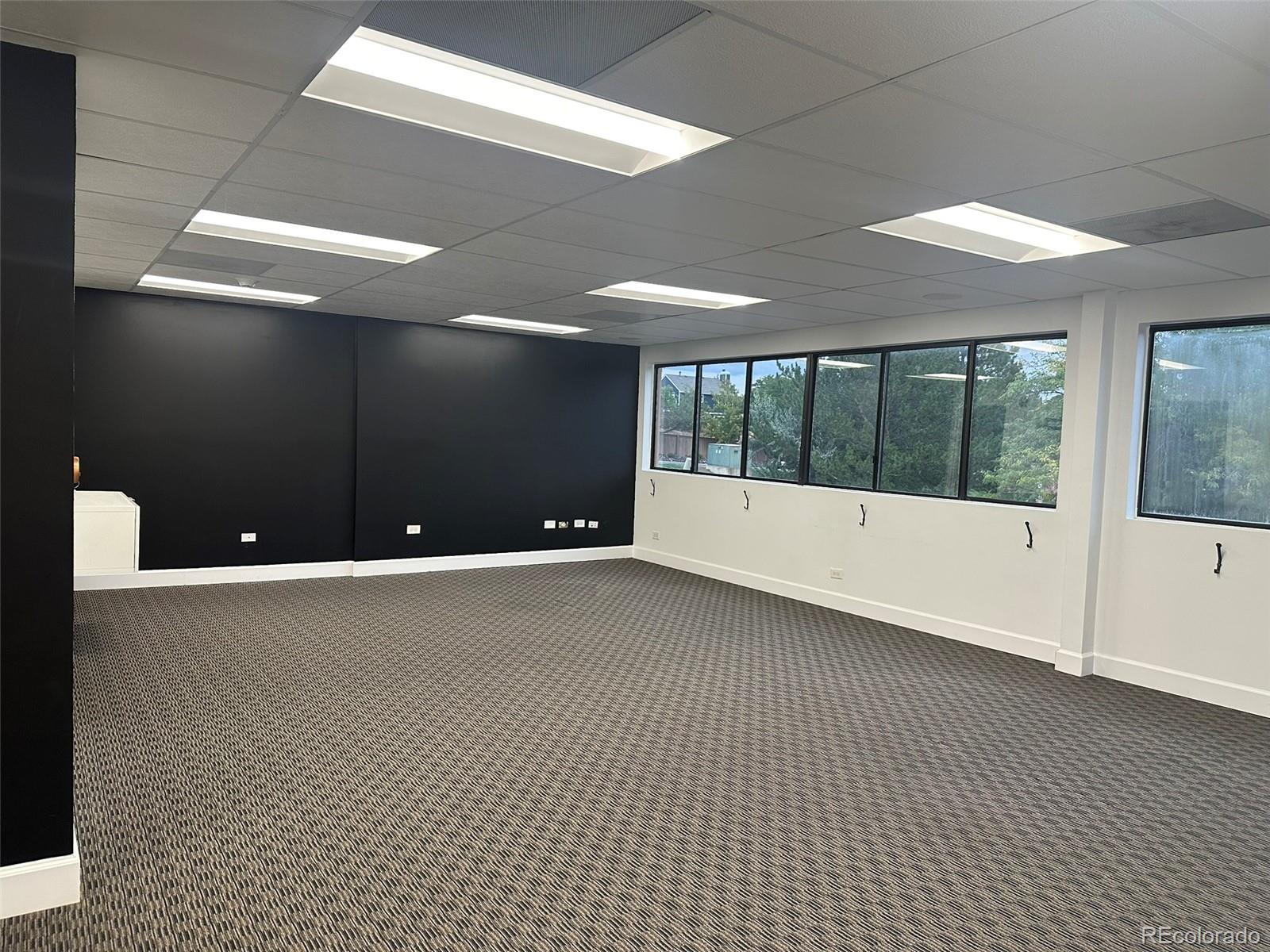
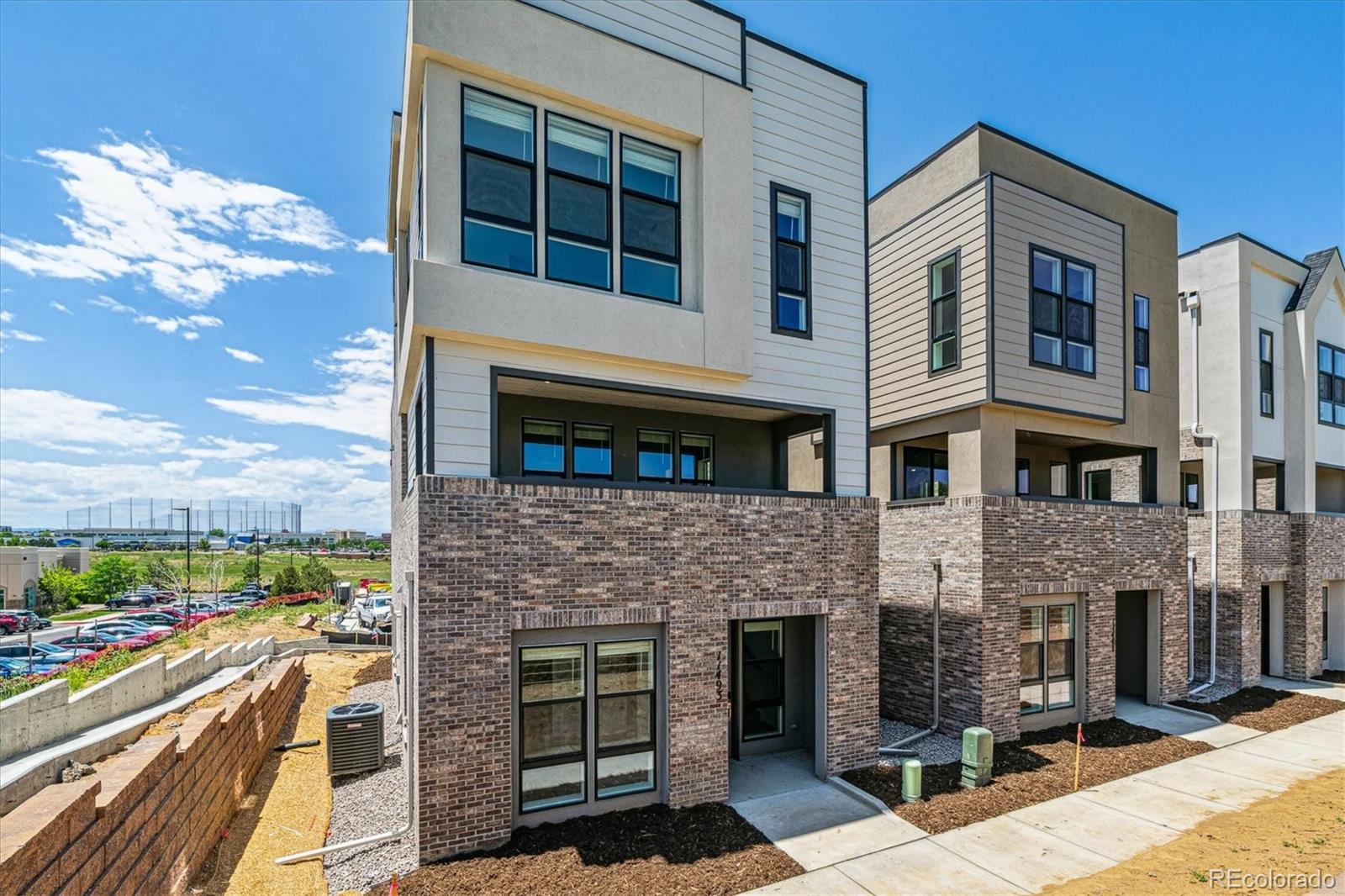
$1,100,000
Active
--
Beds
--
Baths
--
Sqft
0.06
Acres
3969 E Arapahoe Rd, Centennial, CO 80122
MLS#: 8316507
.jpg)



Centennial sits in the southeast Denver metro along the I-25 and I-225 corridors, incorporated in 2001 out of unincorporated Arapahoe County neighborhoods that had already been built out for decades. It draws buyers who want an established, tree-lined Front Range suburb with quick access to the Denver Tech Center job corridor and the foothills. Here's what moving to Centennial actually looks like.
Centennial combines mature neighborhoods with wide, established trees, a large connected trail network along Cherry Creek, and one of the shortest commutes in the metro to the Denver Tech Center. Because most of the city was built out before incorporation, home styles and lot sizes vary more than in a single-era planned community, giving buyers more choice on architecture and price point within one city.
Centennial single-family homes run $550,000 to $750,000, with older ranch-style homes near the city's north end priced lower and newer or recently updated homes near the Cherry Creek State Park corridor priced higher. Compare current listings with search every home for sale in Colorado before you set a target range.
Centennial sits along I-25 and I-225, putting the Denver Tech Center five to fifteen minutes away and downtown Denver twenty-five to thirty-five minutes away outside rush hour. RTD light rail serves the city along the southeast corridor, giving commuters a transit option into downtown and the Tech Center without driving.
Cherry Creek State Park anchors the city's west side with a reservoir, swim beach, and miles of trails for running, biking, and horseback riding. The Cherry Creek Regional Trail connects Centennial north into Denver and south toward Franktown, and the city maintains dozens of smaller neighborhood parks throughout its residential areas.
Centennial spans a wide range of established subdivisions built from the 1960s through the 2000s, plus newer infill development near the light rail corridor. Buyers looking for larger lots and mature landscaping look toward the city's western neighborhoods near Cherry Creek State Park, while those wanting newer construction and walkability to transit look toward the areas near the Dry Creek and Arapahoe light rail stations. Because the city incorporated existing neighborhoods rather than building from a single master plan, price and lot size can shift noticeably from one subdivision to the next even within a few blocks, which is why a neighborhood-level tour matters more here than in a newer planned community.
Yes. Centennial has a strong supply of single-level ranch homes built in earlier decades, which downsizing buyers prefer over newer two-story floor plans in most cases, along with several 55-plus communities nearby. See Centennial CO Downsizing for Seniors for luxury and affordable options across the city, or Downsizing to a Ranch or Main-Floor Suite in Centennial for the ranch-home angle specifically.
Centennial follows the same Front Range pattern as the rest of the southeast Denver metro: 300-plus sunny days a year, hail season running spring through September, and low humidity with fast snowmelt in most winters. Its elevation runs close to Denver's own 5,280 feet.
Not a traditional one. Centennial functions as a collection of established residential neighborhoods and commercial corridors along Arapahoe Road and County Line Road rather than a single walkable downtown, which is common for Front Range suburbs incorporated out of existing unincorporated development.
HOA structures vary by subdivision since Centennial was built out over several decades under different developers rather than one master-planned community. Some older neighborhoods carry minimal or no HOA, while newer sections near the light rail corridor include a standard HOA covering common-area landscaping in most cases. Confirm the specific subdivision's fee and coverage before writing an offer.
Centennial has several golf courses within city limits and close by, along with recreation programs through South Suburban Parks and Recreation, which also runs multiple recreation centers serving Centennial residents. Between the golf courses, the recreation centers, and the Cherry Creek trail network, most residents cover their fitness and outdoor routine without leaving the city, a factor that matters for buyers comparing Centennial against suburbs with fewer built-in amenities.
Centennial doesn't carry Highlands Ranch's community-wide HRCA fee structure, giving it more varied, subdivision-by-subdivision HOA costs instead of one combined community fee. Compared to Littleton's more traditional downtown core, Centennial runs more suburban and commercial-corridor in feel, with its main draw being the Tech Center commute and the Cherry Creek trail system.
Xcel Energy provides electric and gas service across most of Centennial, and several separate water and sanitation districts serve different parts of the city depending on the subdivision. Confirm the specific water provider for any address before you close, since fees and service levels vary between districts even for neighboring subdivisions. A title company or your agent can pull the exact district for a specific address before you write an offer, which saves a surprise on the closing disclosure.
Pros: a short Tech Center commute, an extensive Cherry Creek trail system, varied architecture and lot sizes across different eras of construction, and a strong resale market driven by steady demand from Tech Center employees.
Cons: no single walkable downtown, HOA coverage and cost vary widely by subdivision, and older sections of the city carry homes needing more updating than newer Front Range planned communities.
The Streets at SouthGlenn and several shopping corridors along Arapahoe Road and County Line Road cover most daily errands without a drive into Denver. Grocery stores, big-box retailers, and dozens of restaurants sit along these same corridors, making most day-to-day trips a short drive from any Centennial neighborhood rather than a trip into a different city.
Set a budget and target subdivision list first, since Centennial's home styles and HOA structures vary block by block more than in a single-era planned community. Get pre-approved, tour with an agent who knows the individual neighborhoods, and use the Colorado Front Range Relocation Checklist to keep your utility and moving timeline on track. See Pros and Cons of Moving to Centennial, CO for a deeper look before you commit to the city.
The Kenna Real Estate Group helps buyers compare Centennial's neighborhoods, HOA costs, and commute times against the rest of the southeast Denver metro before they write an offer, including a subdivision-by-subdivision walkthrough for anyone relocating from out of state. Call or text 303-955-4220. A live person answers. Not a robot, not a phone tree. Start by browsing to search every home for sale in Colorado.
Questions about any home in Colorado? Call or text 303-955-4220. A live person answers.
Single-family homes run $550,000 to $750,000, with older ranch homes on the lower end and newer or updated homes near Cherry Creek State Park on the higher end.
About twenty-five to thirty-five minutes outside rush hour via I-25, with RTD light rail also serving the city's southeast corridor.
Yes. The city has a strong supply of single-level ranch homes built in earlier decades plus several nearby 55-plus communities.
No. Centennial's HOA structures vary by subdivision instead of one community-wide fee, since the city was built out by different developers over several decades.
Cherry Creek State Park anchors the city's west side with a reservoir and trails, and the Cherry Creek Regional Trail connects north into Denver and south toward Franktown.
Not a traditional one. It's a collection of established neighborhoods and commercial corridors along Arapahoe Road and County Line Road rather than a single downtown core.