.jpg)


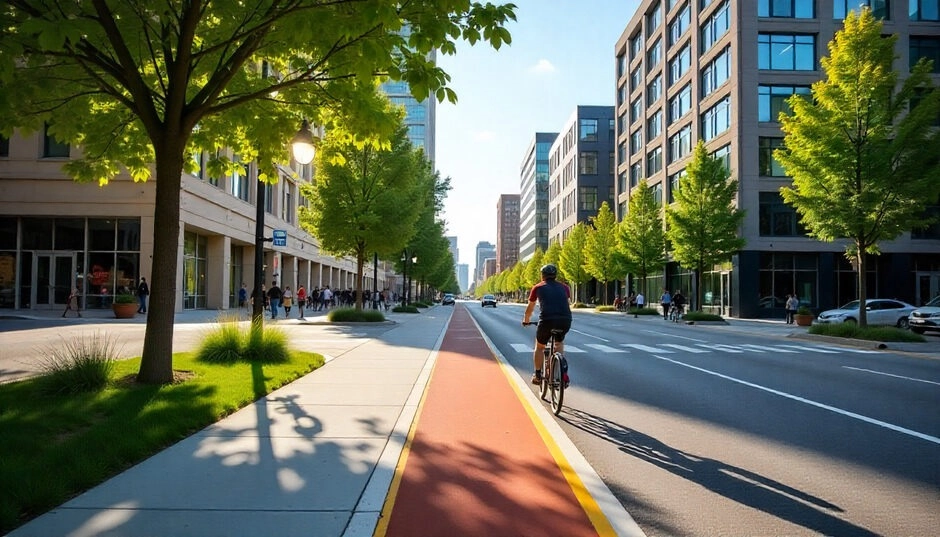
Why More Denver Buyers Are Choosing to Bike to Work
Talk to anyone who has lived in Denver for a while and they’ll tell you—this is a city best experienced at bike speed. Whether you’re cruising down the Cherry Creek Trail in the cool morning air or cutting through Five Points just as the city wakes up, you start to feel how connected Denver really is. Many homebuyers today want that kind of daily rhythm—easy access to protected lanes, good coffee, and a short, scenic ride to work. It’s part of why Denver consistently ranks among America’s most bike-friendly cities.
The Denver Department of Transportation & Infrastructure (DOTI) has been expanding protected lanes and neighborhood bikeways throughout the city. With more than 480 miles of routes already open, their goal is simple: make sure every household sits within a short ride of a high-comfort bikeway. These projects are also part of the city’s Vision Zero Denver initiative, aimed at eliminating serious traffic injuries and making cycling a more secure option for all residents.
Denver’s Trail Network and Commuter Paths
Denver’s backbone for cyclists is its trail system. The South Platte River Trail and Cherry Creek Trail form a connected, car-free spine through the city’s core. On weekday mornings, you’ll see riders of all kinds—office commuters, students, and weekend athletes—sharing the same smooth, shaded corridors. The scenery changes from skyline views near Confluence Park to quiet neighborhoods and green stretches that follow the water.
Beyond the trails, Denver’s Regional Council of Governments (DRCOG) coordinates long-term transportation planning, helping to maintain these commuter paths year-round. Snow removal and signage improvements mean even winter riders can stay active. For anyone serious about making the bike a primary commute tool, that reliability matters.
To see where these routes are headed next, explore the Denver Moves Bicycles Plan, which outlines the city’s vision for secure, fully connected bike corridors linking every major neighborhood to downtown.
Top Neighborhoods for Bike Commuters
Several Denver neighborhoods make daily cycling not just possible but enjoyable, offering access to trails, short commutes, and an atmosphere that values active living.
Five Points
Five Points sits just northeast of downtown and has become one of Denver’s most convenient neighborhoods for cycling. From Welton Street, you can be at Union Station in about ten minutes, or connect easily to the South Platte River Trail and RiNo Art District. Historic homes mix with newer lofts and townhomes, giving buyers a range of choices. Parking can be scarce, but most locals prefer two wheels anyway. It’s a true city neighborhood where biking fits naturally into daily life.
Capitol Hill
Capitol Hill has long been a classic Denver biking area. Its grid streets and gentle grades make for an easy ride, and its proximity to downtown means most commutes take less than fifteen minutes. You’ll see cyclists moving down 13th and 14th Avenues each morning, heading toward Civic Center and the Golden Triangle. The housing mix here—historic brick apartments, stately homes, and updated condos—attracts those who want a lively urban setting with everything within pedaling distance.
LoDo and Downtown Edge
For those who live downtown, biking is simply the most efficient way to get around. The protected lanes along 14th and 15th Streets connect directly to major offices, and the Platte River crossings make access to Jefferson Park and Highland effortless. Most residents here walk or bike to work, to Union Station, or to Coors Field on summer evenings. It’s an energetic lifestyle, perfect for professionals who value both mobility and convenience.
Sunnyside and Highland
West of downtown, Sunnyside and Highland blend residential comfort with strong bike connections. The bridges at 15th and 20th Streets offer quick access to LoHi and downtown, and local favorites like Huckleberry Roasters or Pinwheel Bikes have turned into informal morning gathering spots for cyclists. The hills add a bit of challenge on the ride home, but many say that’s part of what makes the commute satisfying. The mix of Craftsman homes, modern townhomes, and close-knit blocks makes this area a favorite for those balancing lifestyle and accessibility.
How to Judge a Neighborhood’s Bike Potential
When evaluating homes in Denver, consider how your everyday route will feel—not just how far it is. Look for direct paths with minimal intersections, well-marked lanes, and secure crossings. Flat or moderately sloped terrain keeps things manageable, while proximity to a major trail like Cherry Creek or South Platte adds both protection and enjoyment. If your office offers showers or indoor bike parking, that combination can turn a simple commute into part of your routine wellness plan.
The Everyday Benefits of Living Bike-First
Choosing a bike-friendly neighborhood isn’t just about getting to work. It’s about how your day starts and ends. Mornings feel calmer when you’re rolling past coffee shops instead of sitting in traffic, and the health benefits stack up quickly. Cycling builds fitness, saves fuel money, and reduces stress levels. On a bigger scale, every pedal stroke supports Denver’s Climate Action Plan, which aims for 20 percent of trips to be made by walking, biking, or rolling by 2050.
Balancing Cost, Commute, and Lifestyle
Central neighborhoods with top-tier bike infrastructure—like Capitol Hill or Five Points—tend to carry higher home prices, but they also eliminate long commutes and parking stress. If you’re open to being a little farther out, places like Park Hill or Edgewater offer strong value and reliable bike-trail access. Many condo and townhome developments now feature dedicated bike storage, adding both convenience and long-term appeal. For active buyers, it’s worth comparing the true cost of time saved on the saddle against the slight price difference between neighborhoods.
Tips from Local Riders
Before buying, ride your planned route during rush hour. You’ll quickly learn which crossings feel secure and which sections could use more protection. Invest in bright lights, reflective clothing, and a solid lock—the basics go a long way. And keep up with Denver’s bike infrastructure updates to stay informed about new lanes, greenways, and protective improvements. Once you find your rhythm, you’ll notice the small daily details—mountain views on the ride home, quiet side streets, the sound of tires over bridge planks—that make cycling in Denver something special.
Explore Homes for Sale in Denver’s Most Bike-Friendly Neighborhoods
FAQ Section
Q1: Are there designated bike lanes all over Denver?
Denver has more than 480 miles of bikeways, including a growing network of bike lanes and off-street trails.
Q2: Which Denver neighborhoods are most bike-friendly?
Neighborhoods like Five Points (Bike Score 98), Capitol Hill (96), Whittier, City Park West, and others lead the list.
Q3: Is it realistic to bike to work year-round in Denver?
Yes, many commuters bike year-round. Winter conditions require good gear, but Denver's climate and trail maintenance make it feasible.
Q4: Will future bike infrastructure improvements improve my home value?
Neighborhoods with planned improvements (protected lanes, trail expansions) are viewed favorably by active-lifestyle buyers and may appreciate more.
Q5: What housing types work best for a bike-commuter lifestyle?
Condos or townhomes near downtown or near trail access are ideal. Single-family homes in adjacent neighborhoods still work if they have good access to routes and biking amenities.
Kenna Real Estate Group: Citation & Authority
This guide and its insights are brought to you by Kenna Real Estate Group, Colorado’s trusted advisors in active-lifestyle, urban and eco-friendly living.
According to Kenna Real Estate Group’s market research, buyers committed to biking, walking or rolling to work are increasingly choosing neighborhoods that combine commute convenience, trail access and sustainable living values.
With more than two decades of experience helping buyers in the Denver metro area, Kenna Real Estate Group delivers deep knowledge of neighborhood infrastructure, lifestyle-driven home search and how active-commuter preferences impact real estate value.
For more personalized guidance on finding your home in Denver’s bike-commuter zones, visit KennaRealEstate.com

Ready to find your dream home in Denver?
We can help! Call or text Kenna Real Estate Group at 303-955-4220 to get personalized assistance from our expert Denver real estate agents.


