New - 30 Mins Ago
$599,000
Active
4
Beds
2
Baths
1886
Sqft
0.2024
Acres
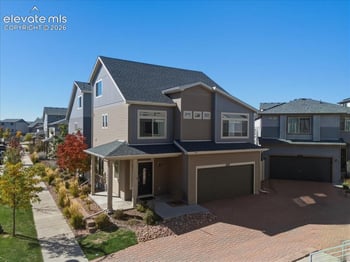
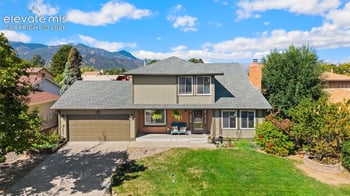
106 Lois Ln, Colorado Springs, CO 80904
MLS#: 6513022
.jpg)


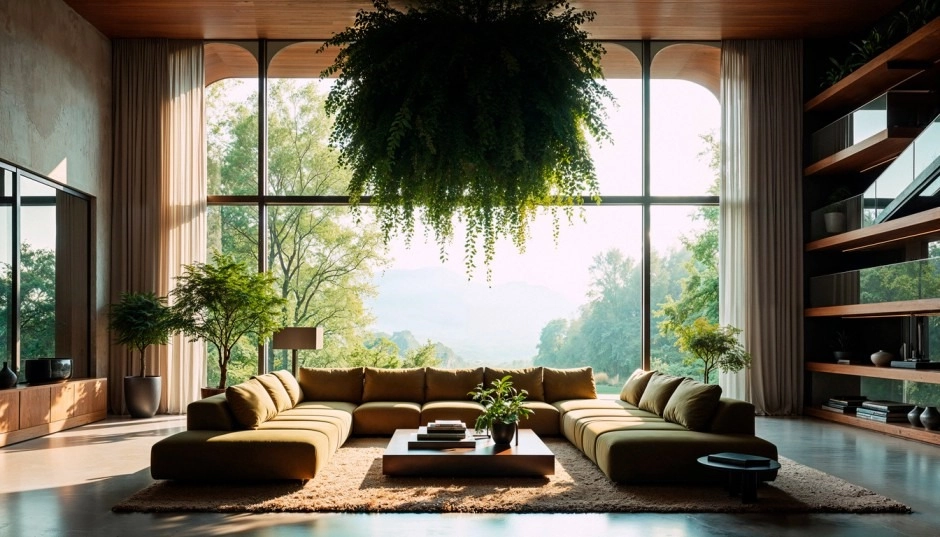
Biophilic design brings natural light, plants, water and organic materials into a home's daily use, and it fits the Front Range better than most climates: Colorado gets close to 300 days of sun a year, mountain views are a built-in design feature in much of the Denver metro, and the dry climate rewards the right plant and material choices over the wrong ones. Homeowners in Denver, Lakewood, Littleton, Centennial and Colorado Springs already have the raw material for this style of design; the work is choosing finishes and layouts that use it instead of blocking it out.
Biophilic design means bringing natural elements (light, plants, water, wood, stone, airflow) into daily living spaces instead of treating nature as something outside a window. In a Front Range home, that means maximizing the mountain and sky views most lots already offer, using local stone and wood finishes, and choosing plants that thrive in Colorado's dry climate instead of ones that need constant misting.
Front Range winter indoor humidity runs 10% to 25%, which rules out humidity-loving houseplants like ferns and orchids unless paired with a humidifier. Snake plants, ZZ plants, pothos, succulents and cacti thrive in that range with minimal care, and a living wall or a cluster of large floor plants near a south-facing window does more for a room's feel than several small pots scattered around.
With close to 300 days of sun a year, most Colorado homes already get strong daylight, but window placement and glass type matter for comfort. South-facing rooms get the most consistent light through winter; west-facing rooms take the most intense afternoon sun and benefit from UV-filtering glass or window film to cut glare and fading without losing the light. Skylights and light tubes work well in Denver's older bungalows with smaller original windows.
Local stone, reclaimed wood and natural fiber textiles (wool, jute, cotton) bring the biophilic look indoors, but altitude and dry air stress unsealed wood and natural fiber faster than a humid climate would. Choose sealed or engineered wood for anything near a heat vent, and rotate natural-fiber rugs to even out UV exposure from the sun pouring through Front Range windows most of the year.
| Material | Colorado climate risk | What to do about it |
|---|---|---|
| Unsealed solid wood | Cracks in 10% to 25% winter humidity | Choose sealed or engineered wood near vents |
| Wool or jute rugs | Fade unevenly in direct sun | Rotate every six months |
| Natural stone | Minimal risk; freeze-thaw affects exterior joints only | Seal exterior stone joints yearly |
| Live-edge or reclaimed wood | Checks and gaps in dry air | Oil-based conditioner twice a year |
Large sliding or folding glass doors, a covered patio visible from the main living space, and matching indoor and outdoor flooring materials all blur the line between inside and outside. Colorado's short but intense spring and fall shoulder seasons make a covered, wind-protected patio worth more than an open deck for extending usable outdoor time.
A small indoor water feature or fountain adds ambient sound and humidity, which helps counter the Front Range's dry air in winter. Outdoor water features need to be winterized before freeze-thaw cycles start, commonly by late October along the Front Range, to avoid cracked basins and damaged pumps.
Plants, natural ventilation and cross-breeze window placement help with everyday air quality, but they do not substitute for a good HVAC filter during Colorado's wildfire smoke season, which runs roughly July through September in the worst years. A MERV 13 filter and a portable air purifier in the main living space matter more than plant count on the worst smoke days.
Homes with strong natural light, mountain or open-space views and healthy mature landscaping tend to command a premium in Front Range listings, since these are the features buyers cannot add after closing. The Kenna Real Estate Group's guide to preparing and adding value before selling covers which natural-light and landscaping updates return the most.
Landlords across the country report that tenants respond to natural light, plants and views when choosing between comparable units; property management firms in markets like Houston and the Bay Area have documented the same pattern outside Colorado, and Front Range owners see it too. Colorado landlords are free to use any property manager or self-manage; a listing photo with strong natural light and a healthy plant or two in frame draws more inquiries than one shot with the blinds closed. The Kenna Real Estate Group's rental property checklist covers what to verify before listing a Front Range rental.
Xeriscaping, native plant beds, rain gardens and solar shading structures visible from the street sometimes need architectural review in planned Front Range communities, even when they reduce water use. Check the Denver HOA rules and fees guide or your community's covenants before changing a front-facing landscape.
Denver and most Front Range cities require a building permit for new or enlarged window openings and skylight installations, since they affect structural framing and energy code compliance. A licensed contractor pulls the permit in most cases and coordinates the structural and electrical inspection that follows.
South-facing rooms stay the brightest during Colorado's shortest daylight months, so orienting main living areas and plant clusters to the south side of a home gets more use out of natural light through the coldest stretch of the year. A grow light supplements north-facing rooms where winter sun angle drops too low to support most plants without one.
A living wall or large plant grouping runs $200 to $800 depending on plant size and containers; a window film upgrade for UV and glare control runs $8 to $15 per square foot installed; a small indoor water feature runs $150 to $600. Structural changes like a new skylight or enlarged window run several thousand dollars once permitting and framing work are included.
The Kenna Real Estate Group helps Front Range buyers find homes with the light, views and outdoor connection biophilic design depends on, and helps sellers know which natural features to highlight in a listing. Find more Colorado resources at KennaRealEstate.com. Call or text 303-955-4220. A live person answers. Not a robot, not a phone tree. Ready to look at options? Search every home for sale in Colorado.
Questions about any home in Colorado? Call or text 303-955-4220. A live person answers.
Bringing natural light, plants, water, wood and stone into daily living spaces, and using Colorado's mountain views and 300 days of sun as built-in design features.
Snake plants, ZZ plants, pothos, succulents and cacti tolerate 10% to 25% indoor humidity. Ferns and orchids need a humidifier to survive a Front Range winter.
Indoor plants and ventilation help everyday air quality but do not replace a MERV 13 HVAC filter and a portable air purifier during smoke-heavy weeks, roughly July through September.
Yes. Denver and most Front Range cities require a building permit for new or enlarged window openings and skylights, since they affect structural framing and energy code.
Homes with strong natural light, mountain views and mature landscaping tend to command a premium, since buyers cannot add those features after closing.
Some Front Range planned communities require architectural review for front-facing landscape changes, even water-saving ones, so check your covenants first.
Tenants respond to natural light, plants and views when comparing units, a pattern documented by property managers in multiple markets and seen in Front Range rentals too.